

Motmot

ハシナガビンズイ 対 セリン

Anthus similis 対 Serinus serinus

ハシナガビンズイとセリンのクイズ
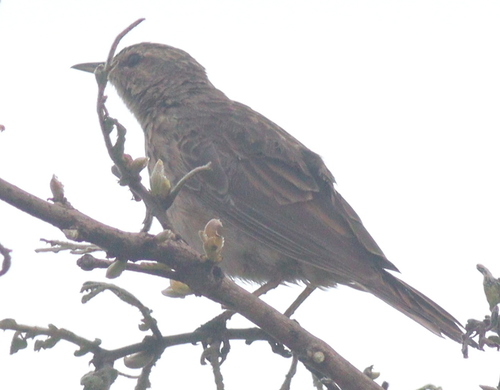
ハシナガビンズイ (Anthus similis) ハシナガビンズイ
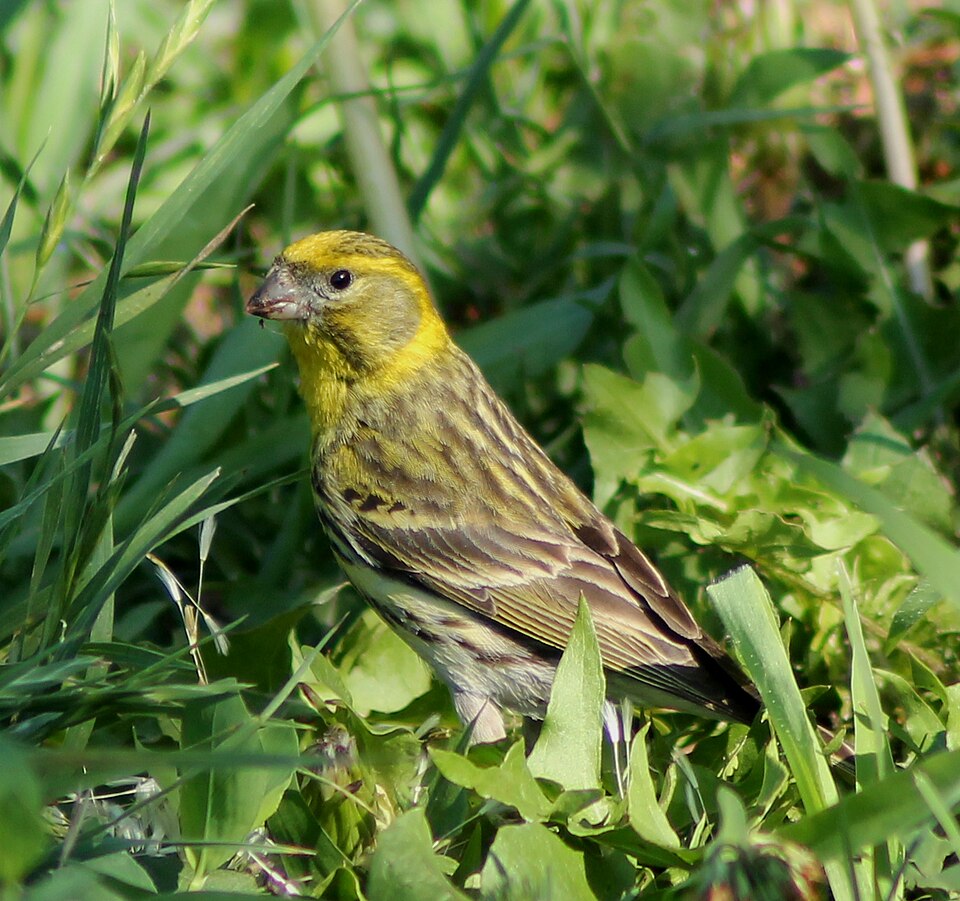
セリン (Serinus serinus) セリン

メディア

読み込み中…

要点

ハシナガビンズイとセリンを区別する最も信頼できる方法は、構造によるものです:ハシナガビンズイははるかに大きく、尾が長く、長くて暗いくちばしを持っていますが、セリンは小さく、尾が短く、フィンチのようなくちばしを持っています。すべての羽色において、ハシナガビンズイは上面が砂色の灰色で、下面が淡い色をしており、セリンの明るい黄色のトーンや重い縞模様はありません。飛んでいるときや止まっているとき、セリンの黄色い尾と翼の帯は特にオスにおいて特徴的で、ハシナガビンズイは地味で黄色がありません。声も非常に異なります:ハシナガビンズイは「チュップ」と呼ばれる鳴き声と遅くて変化に富んだ歌を出しますが、セリンの歌は速い buzzing trill です。距離があっても、サイズ、尾の長さ、全体の色合いは通常、混乱を避けるのに十分です。

識別のコツ

  1. サイズと形状: ハシナガビンズイはセリンよりもはるかに大きく、尾が長いです;これは距離があっても飛んでいるときに明らかです。セリンは小さく、コンパクトで、尾が短いです。
  2. くちばしの形: ハシナガビンズイは昆虫食性の典型的なくちばしを持つ長くて細い暗いくちばしを持っています;セリンは種子を食べるための短く円錐形のフィンチのくちばしを持っています。くちばしの形は近距離で診断的です。
  3. 尾の長さ: ハシナガビンズイの尾は目立って長く、しばしば揺れます;セリンの尾は短くて四角いです。
  4. 羽色: ハシナガビンズイは上面が砂色の灰色で、下面が淡い色をしており、縞模様がほとんどなく、黄色もありません。セリンは上面が緑がかった灰色で、重い縞模様があり、明るい黄色の尾と顔、胸、翼の帯、尾の側面に黄色があります(特にオス)。
  5. 翼の帯: セリンは黄色の翼の帯を示します(オスが最も良い)、ハシナガビンズイにはありません。
  6. 尾の色: セリンの黄色い尾は飛んでいるときや止まっているときに目立ちます;ハシナガビンズイの尾は地味で背中と同じ色です。
  7. 腹部の縞模様: セリンは胸と側面に重い縞模様があります;ハシナガビンズイは地味で、下部はわずかに縞模様があります。
  8. 性差: オスのセリンは明るい黄色です;メスと幼鳥は鈍いですが、まだ黄色い尾と縞模様を示します。ハシナガビンズイは性差がほとんどありません。
  9. 行動: ハシナガビンズイは地面を歩いたり走ったりし、木に止まることはめったにありません。セリンはしばしば木や低木の間を飛び回り、地面にいることはめったにありません。
  10. 群れのサイズ: セリンは繁殖期以外に小さな群れでよく見られます;ハシナガビンズイは通常一羽またはペアでいます。
  11. 生息地: ハシナガビンズイは開けた岩の多い草地に生息し、セリンは森林、庭、耕作地に生息します。
  12. 歌: ハシナガビンズイの歌は遅く、チュルチュルしていて変化に富んでいます;セリンの歌は速い buzzing trill です。
  13. 鳴き声: ハシナガビンズイは「チュップ」と呼ばれる鳴き声を出します;セリンの鳴き声は高音でフィンチのようです。
  14. 落とし穴: 幼鳥のセリンは鈍いですが、まだ黄色い尾と縞模様を示します;ハシナガビンズイは決して黄色や翼の帯を示しません。光が悪いと、セリンの黄色は目立たないかもしれませんが、縞模様とサイズはまだ彼らを区別します。
  15. 疑問がある場合: 鳥が黄色の縞模様があり、特に尾や顔に黄色がある場合、それはセリンです;地味で砂色で尾が長い場合、それはハシナガビンズイです。

大きさ

ハシナガビンズイは中型から大型のビンズイで、長さは約16〜17.5 cm、体重は約23 g [wikidata]で、目立って長い尾と細長い体を持っています。セリンははるかに小さく、長さはわずか11〜12 cmで、最小のヨーロッパのフィンチです;コンパクトで、尾が短く、体がはるかに軽いです。サイズと比率の違いは、フィールドで非常に目立ち、距離があっても混合群れの中でも明らかです。

羽色

どちらの種にも年齢特有の上翼や飛行のマークは記載されていませんが、全体的な羽色は非常に対照的です。すべての年齢のハシナガビンズイは上面が砂色の灰色で、下面が白っぽいまたは淡いバフ色で、縞模様がほとんどなく、明るい色はありません。セリンは、幼鳥でさえ、暗い縞模様のある灰色がかった緑色の上面、黄色い尾、そして下部に重い縞模様を示します;オスは顔、胸、翼の帯、尾の側面がより明るい黄色です。セリンの翼の帯と黄色い尾は、飛んでいるときや止まっているときに目に見えます。ハシナガビンズイは黄色、翼の帯、または強い縞模様を欠いています。要約すると:ハシナガビンズイは地味でアーストーンであり、セリンは明らかな黄色のハイライトを持つ縞模様があります。

行動

ハシナガビンズイは通常、孤独またはペアで、低い植生のある開けた岩の多い斜面で地面を歩いたり走ったりします。その飛行は強く、直接的です。セリンははるかに活発で、しばしば目立ち、繁殖期以外に小さな群れで頻繁に見られ、低木や木の間を飛び回り、しばしば混合フィンチ群で餌を食べます。セリンはより樹上性であり、ハシナガビンズイはほぼ常に地面にいます。

生息環境

ハシナガビンズイは岩やまばらな植生のある乾燥した開けた斜面を好み、通常は密な木や耕作地から離れています。セリンは開けた森林、耕作地、庭を好み、しばしばいくつかの針葉樹や低木があり、木や人間の居住地のある地域で見つかる可能性が高いです。岩の多い木のない風景で鳥を見た場合、ハシナガビンズイの可能性が高いです;庭、果樹園、または森林の端では、セリンが期待されます。

声

ハシナガビンズイは鋭い「チュップ」と呼ばれる鳴き声を出し、砂漠のヒバリを思わせるもので、その歌は遅くて変化に富んでいます:'sri...churr...sri...churr…'。セリンの歌は速い buzzing trill で、地中海地域でははるかに音楽的で親しみやすいです。違いは明確です:ハシナガビンズイの歌は遅くてチュルチュルしており、セリンの歌は速くて buzzing です。

より良い説明を送る

比較と同じ項目を使ってください。文章はすぐに公開されます。

The most reliable way to separate Long-billed Pipit from European Serin is by structure: the pipit is much larger, longer-tailed, and has a long, dark bill, while the serin is tiny, short-tailed, and finch-billed. In all plumages, Long-billed Pipit is sandy-grey above and pale below, lacking the bright yellow tones and heavy streaking of serin. In flight or perched, serin’s yellow rump and wing bars are distinctive, especially in males, while pipit is plain and lacks any yellow. Voice is also very different: pipit gives a 'chupp' call and a slow, varied song, while serin’s song is a rapid buzzing trill. Even at a distance, size, tail length, and overall coloration are usually enough to avoid confusion.

  1. Size and shape: Long-billed Pipit is much larger and longer-tailed than European Serin; this is obvious even at a distance or in flight. Serin is tiny, compact, and short-tailed.
  2. Bill shape: Pipit has a long, slender, dark bill typical of insectivores; serin has a short, conical finch bill for seed eating. Bill shape is diagnostic at close range.
  3. Tail length: Pipit’s tail is noticeably long and often wagged; serin’s tail is short and square.
  4. Plumage color: Pipit is sandy-grey above and pale below, with little or no streaking and no yellow. Serin is greenish-grey above, heavily streaked, with a bright yellow rump and yellow in the face, breast, wing bars, and tail sides (especially males).
  5. Wing bars: Serin shows yellow wing bars (best in males), absent in pipit.
  6. Rump color: Serin’s yellow rump is conspicuous in flight and when perched; pipit’s rump is plain and matches the back.
  7. Underpart streaking: Serin has heavy streaking on breast and flanks; pipit is plain or only faintly streaked below.
  8. Sex differences: Male serins are brighter yellow; females and juveniles are duller but still show yellow rump and streaking. Pipit shows little sexual dimorphism.
  9. Behavior: Pipit walks or runs on the ground, rarely perches in trees. Serin is often seen flitting between trees and shrubs, and rarely spends time on the ground.
  10. Flock size: Serin often in small flocks, especially outside breeding season; pipit usually alone or in pairs.
  11. Habitat: Pipit in open, rocky, grassy slopes; serin in woodland, gardens, cultivated areas.
  12. Song: Pipit’s song is slow, churring, and varied; serin’s is a rapid, buzzing trill.
  13. Call: Pipit gives a 'chupp' call; serin’s calls are higher-pitched and more finch-like.
  14. Pitfalls: Juvenile serins are duller but still show yellow rump and streaking; pipit never shows yellow or wing bars. In poor light, serin’s yellow may be less obvious, but streaking and size still separate them.
  15. When in doubt: If the bird is streaky with any yellow, especially on rump or face, it is serin; if plain, sandy, and long-tailed, it is pipit.

Long-billed Pipit is a medium-large pipit, around 16–17.5 cm long and weighing about 23 g [wikidata], with a noticeably long tail and elongated body. European Serin is much smaller, only 11–12 cm in length, and is the smallest European finch; it is compact, short-tailed, and much lighter-bodied. The difference in size and proportions is striking in the field, even at a distance or in mixed flocks.

No age-specific upperwing or flight marks are described for either species, but overall plumage is highly contrasting. Long-billed Pipit of all ages is sandy-grey above and whitish or pale buff below, with little streaking and no bright colors. European Serin, even in juveniles, shows dark-streaked greyish-green upperparts, a yellow rump, and heavy streaking below; males are brighter yellow on face, breast, wing bars, and tail sides. Serin’s wing bars and yellow rump are visible in flight and when perched. Pipit lacks any yellow, wing bars, or strong streaking. In summary: pipit is plain and earth-toned, serin is streaky with obvious yellow highlights.

Long-billed Pipit is typically solitary or in pairs, walking or running on the ground in open, rocky slopes with low vegetation. Its flight is strong and direct. European Serin is much more active and often conspicuous, frequently seen in small flocks outside breeding season, flitting between shrubs and trees, and often feeding in mixed finch groups. Serin is more arboreal, while pipit is almost always on the ground.

Long-billed Pipit favors dry, open slopes with rocks and sparse vegetation, usually away from dense trees or cultivation. European Serin prefers open woodland, cultivated areas, and gardens, often with some conifers or shrubs, and is more likely to be found in areas with trees and human habitation. If you see the bird in a rocky, treeless landscape, pipit is more likely; in gardens, orchards, or woodland edges, serin is expected.

Long-billed Pipit gives a sharp 'chupp' call, reminiscent of a desert lark, and its song is slow and varied: 'sri...churr...sri...churr…'. European Serin’s song is a rapid, buzzing trill, much more musical and familiar in Mediterranean regions. The difference is clear: pipit’s song is slow and churring, serin’s is fast and buzzy.

変更を破棄しますか?

保存していない編集があります。今離れると失われます。

ハシナガビンズイ · セリン · 苦手な鳥