

chilreta vs trinta-réis-de-bico-preto
Sternula albifrons versus Gelochelidon nilotica
Jogue um quiz com chilreta e trinta-réis-de-bico-preto
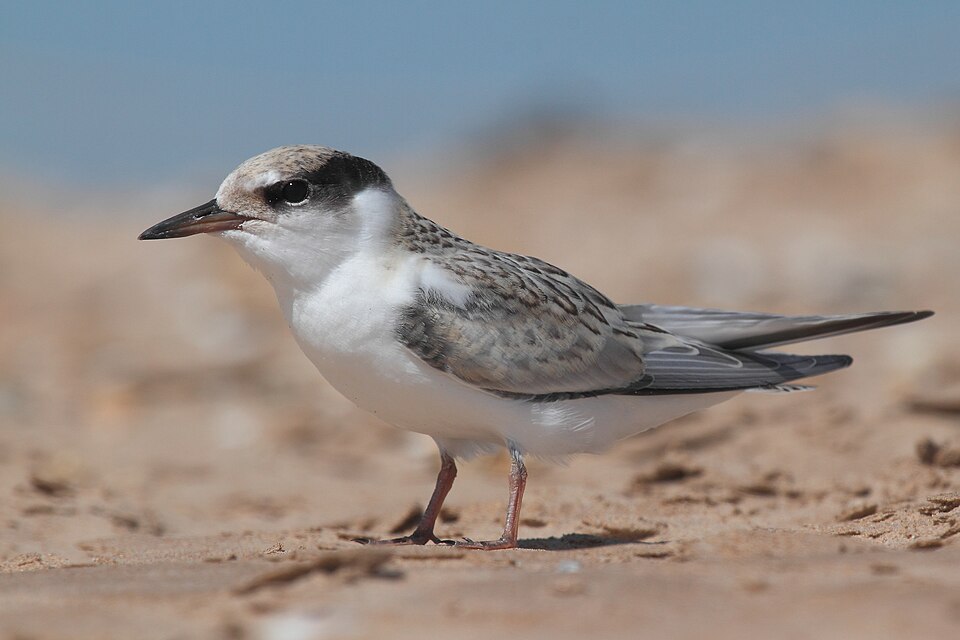 chilreta
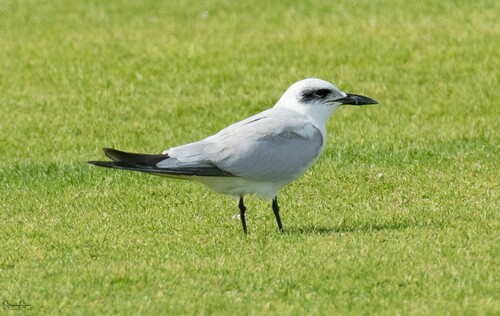 trinta-réis-de-bico-preto
Em resumo
A marca de campo mais confiável para separar a chilreta do trinta-réis-de-bico-preto é o tamanho geral e a estrutura do bico: a chilreta é muito menor, com um bico amarelo, delgado e pontudo (com ponta preta na época de reprodução), enquanto o trinta-réis-de-bico-preto é robusto, com um bico grosso, curto e preto, semelhante ao de uma gaivota. Em voo, a chilreta parece delicada e ágil, enquanto o trinta-réis-de-bico-preto tem asas largas e é poderoso. Aves imaturas e de inverno podem ser complicadas, mas a cor e a forma do bico, juntamente com o tamanho relativo e a aparência, permanecem pistas fortes. Ambas as espécies apresentam testas brancas em plumagem não reprodutiva, então concentre-se na estrutura e nas proporções para uma identificação confiante.
Dicas de identificação
- Tamanho: A chilreta é minúscula, cerca de um terço da massa do trinta-réis-de-bico-preto. Se você ver uma chilreta muito pequena, especialmente entre outras chilretas ou gaivotas, é provável que seja uma chilreta. O trinta-réis-de-bico-preto é robusto e se destaca como grande para uma chilreta.
- Forma e cor do bico: A chilreta tem um bico fino e pontudo (amarelo com ponta preta na época de reprodução, todo preto no inverno). O trinta-réis-de-bico-preto tem um bico curto, grosso e todo preto durante todo o ano, lembrando uma gaivota pequena. Esta é a melhor marca em qualquer idade ou estação.
- Cor das pernas: A chilreta tem pernas amarelas na plumagem de reprodução, mais apagadas no inverno. As pernas do trinta-réis-de-bico-preto são sempre pretas. A cor das pernas pode ser difícil de ver à distância, mas é útil em distâncias curtas.
- Padrão da cabeça (reprodução): Ambas têm bonés pretos, mas o da chilreta é destacado por uma testa branca, enquanto o do trinta-réis-de-bico-preto é mais extenso e o bico é muito mais grosso.
- Padrão da cabeça (não reprodução): Ambas perdem o boné completo, mas o trinta-réis-de-bico-preto mostra uma faixa ou máscara escura ao redor dos olhos, enquanto a cabeça da chilreta é mais uniformemente branca, sem máscara forte.
- Estilo de voo: A chilreta é ágil, com batidas de asas rápidas e mergulhos frequentes. O trinta-réis-de-bico-preto é mais estável, com asas mais largas e um voo mais direto e poderoso. Raramente mergulha.
- Aparência empoleirada: A chilreta parece delicada, com um bico fino e pernas curtas. O trinta-réis-de-bico-preto se ergue, com pernas longas e um corpo robusto.
- Habitat: A chilreta é quase sempre encontrada sobre a água, especialmente em praias arenosas ou pedregosas. O trinta-réis-de-bico-preto é mais provável de ser visto sobre campos, pântanos ou até mesmo estradas, às vezes longe da água.
- Confusão juvenil: A chilreta juvenil tem uma máscara fraca, mas de outra forma se parece com um adulto de inverno; as juvenis de chilreta não são descritas em detalhes aqui, mas não mostram uma máscara forte. A forma do bico continua sendo um separador chave em aves jovens.
- Voz: Ouça os chamados: a chilreta emite notas altas e chiadas; o trinta-réis-de-bico-preto emite um profundo e áspero 'ker-wik.'
- Comportamento alimentar: A chilreta mergulha para pegar peixes; o trinta-réis-de-bico-preto caça insetos em voo ou pega presas do chão, raramente mergulhando.
- Bandos mistos: Se você ver ambas as espécies juntas, o contraste de tamanho e bico é impressionante. Em bandos de uma única espécie, use estrutura e comportamento alimentar como pistas primárias.
- Mudanças sazonais: No inverno, a cor do bico e o padrão da cabeça mudam, mas a espessura do bico e o tamanho geral permanecem confiáveis. A cor das pernas é menos útil em plumagem não reprodutiva.
- Armadilhas comuns: Não confie apenas no padrão da cabeça no inverno, pois ambas as espécies mostram mais branco. Sempre verifique a forma e o tamanho do bico.
- Quando em dúvida: Se a chilreta parecer robusta, com um bico curto e grosso e pernas longas, e estiver forrageando sobre campos, é um trinta-réis-de-bico-preto. Se for minúscula, com bico afiado e mergulhando para pegar peixes, é uma chilreta.
Tamanho
A chilreta é dramaticamente menor: massa corporal em torno de 57 g, comprimento de 21–25 cm, envergadura de 41–47 cm [wikidata, wikipedia]. O trinta-réis-de-bico-preto é muito mais pesado (massa adulta de 150–292 g), mais longo (33–42 cm) e com uma envergadura muito mais ampla (76–91 cm) [wikipedia]. A diferença de tamanho é óbvia em comparação direta ou em bandos mistos, mas pode ser subestimada à distância ou com aves solitárias. A chilreta é uma das menores chilretas; o trinta-réis-de-bico-preto está entre as maiores, com uma construção mais robusta e semelhante à de uma gaivota.
Plumagem
-
Plumagem juvenil/imatura: Nenhuma diferença detalhada no padrão da asa superior é descrita para essas espécies nas fontes, então o foco se desloca para o bico e a estrutura das aves jovens. Ambas as espécies perdem o boné preto completo no inverno, mostrando mais branco na testa. As chilretas juvenis têm uma máscara escura fraca, mas de outra forma se assemelham a adultos de inverno; as juvenis de chilreta não são descritas em detalhes aqui, mas não mostram uma máscara forte.
-
Plumagem de reprodução adulta: A chilreta tem uma testa branca, coroa preta, bico amarelo com ponta preta e pernas amarelas. O trinta-réis-de-bico-preto tem um boné preto completo, mas com um bico grosso e todo preto e pernas pretas. As partes superiores são cinzas em ambas, mas a chilreta é mais clara e mais delicada.
-
Adulto não reprodutivo (inverno): Ambas as espécies perdem o boné preto completo, ganhando uma testa branca. O bico da chilreta se torna preto e as pernas ficam mais apagadas. O trinta-réis-de-bico-preto perde completamente o boné, mostrando uma mancha escura ao redor do olho (máscara), e retém o bico grosso e preto e as pernas pretas. A máscara é uma diferença chave: a chilreta não mostra uma faixa forte ao redor dos olhos.
-
Em todas as plumagens: A cor e a espessura do bico são as marcas mais confiáveis ligadas à plumagem: a chilreta sempre tem um bico delgado (amarelo na reprodução, preto no inverno), enquanto o bico do trinta-réis-de-bico-preto é grosso, curto e preto durante todo o ano.
Comportamento
A chilreta é ágil, flutuante e rápida em voo, frequentemente vista mergulhando para pegar peixes em águas rasas. Ela forrageia quase exclusivamente sobre a água. O trinta-réis-de-bico-preto é mais poderoso e direto, com asas mais largas e uma aparência mais robusta, frequentemente voando sobre campos e pântanos, e raramente mergulhando. Em vez disso, caça insetos em voo ou pega presas do chão, às vezes longe da água. Empoleirada, a chilreta parece delicada e de pernas curtas, enquanto o trinta-réis-de-bico-preto se ergue, com pernas longas e uma postura robusta.
Habitat
Ambas as espécies podem ocorrer em costas e águas interiores, mas a chilreta está mais estritamente ligada a praias arenosas, bancos de cascalho e bocas de rios, frequentemente em pequenas colônias. O trinta-réis-de-bico-preto é mais flexível, reproduzindo-se em lagos, pântanos, costas e até mesmo em diques, e é mais provável de ser visto forrageando sobre campos ou longe da água. Na América do Norte, o trinta-réis-de-bico-preto é principalmente costeiro, mas na Eurásia utiliza habitats de água doce também. O contexto pode ajudar: uma chilreta caçando insetos sobre terras agrícolas é quase certamente um trinta-réis-de-bico-preto.
Voz
O trinta-réis-de-bico-preto tem um chamado distinto e áspero 'ker-wik', que é mais profundo e mais semelhante ao de uma gaivota do que os chamados agudos e nítidos da chilreta. Os chamados da chilreta são mais típicos de pequenas chilretas: rápidos, altos e chiados. Se você ouvir um chamado profundo e áspero, suspeite do trinta-réis-de-bico-preto.