
Fraticello vs Sterna zampenere
Sternula albifrons contro Gelochelidon nilotica
Fai un quiz con Fraticello e Sterna zampenere
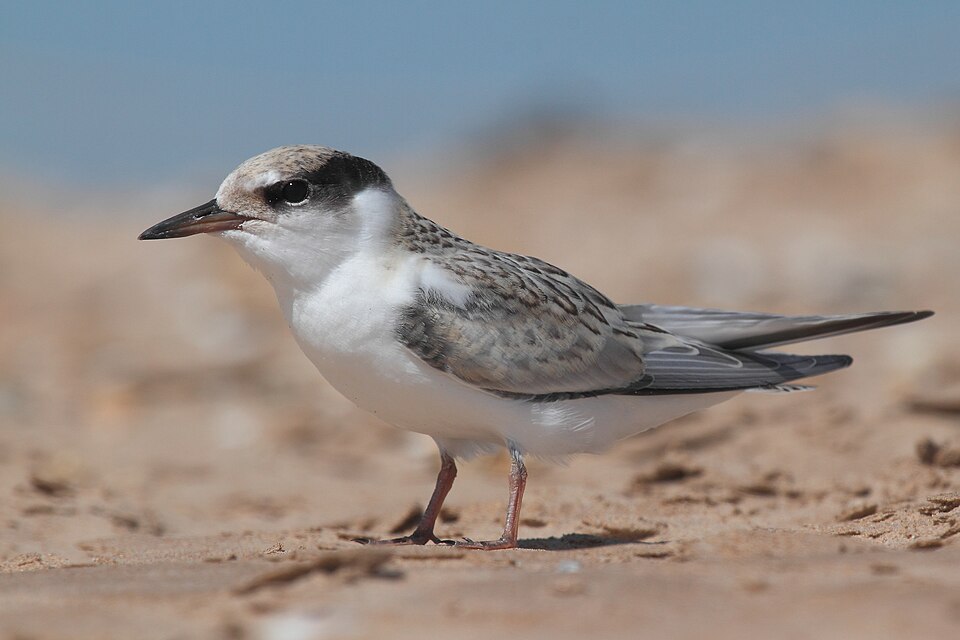 Fraticello
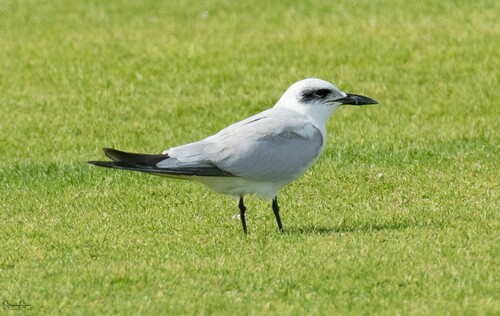 Sterna zampenere
In breve
Il segno di campo più affidabile per separare il Fraticello dalla Sterna zampenere è la dimensione complessiva e la struttura del becco: il Fraticello è molto più piccolo, con un becco giallo sottile e appuntito (con punta nera in riproduzione), mentre la Sterna zampenere è robusta, con un becco spesso, corto e nero, simile a quello di un gabbiano. In volo, il Fraticello appare delicato e agile, mentre la Sterna zampenere ha ali larghe e potenti. Gli uccelli immaturi e invernali possono essere difficili, ma il colore e la forma del becco, insieme alla dimensione relativa e al comportamento, rimangono indizi forti. Entrambe le specie mostrano fronti bianche in piumaggio non riproduttivo, quindi concentrati su struttura e proporzioni per un'identificazione sicura.
Consigli di identificazione
- Dimensione: Il Fraticello è minuscolo, circa un terzo della massa della Sterna zampenere. Se vedi un gabbiano molto piccolo, specialmente tra altri gabbiani o sterne, è probabile che sia un Fraticello. La Sterna zampenere è robusta e si distingue come grande per una sterna.
- Forma e colore del becco: Il Fraticello ha un becco sottile e appuntito (giallo con punta nera in riproduzione, tutto nero in inverno). La Sterna zampenere ha un becco corto, spesso e completamente nero tutto l'anno, simile a quello di un piccolo gabbiano. Questo è il segno migliore a qualsiasi età o stagione.
- Colore delle gambe: Il Fraticello ha gambe gialle in piumaggio riproduttivo, più opache in inverno. Le gambe della Sterna zampenere sono sempre nere. Il colore delle gambe può essere difficile da vedere a distanza, ma è utile a distanza ravvicinata.
- Schema della testa (riproduzione): Entrambi hanno cappelli neri, ma quello del Fraticello è compensato da una fronte bianca, mentre quello della Sterna zampenere è più esteso e il becco è molto più spesso.
- Schema della testa (non riproduzione): Entrambi perdono il cappello completo, ma la Sterna zampenere mostra una striscia o maschera scura attorno all'occhio, mentre la testa del Fraticello è più uniformemente bianca senza una maschera forte.
- Stile di volo: Il Fraticello è agile, con battiti d'ali rapidi e frequenti tuffi. La Sterna zampenere è più stabile, con ali più larghe e un volo più diretto e potente. Raramente tuffa.
- Aspetto in perching: Il Fraticello appare delicato, con un becco fine e gambe corte. La Sterna zampenere sta in piedi alta, con gambe lunghe e un corpo robusto.
- Habitat: Il Fraticello si trova quasi sempre sopra l'acqua, specialmente su spiagge sabbiose o ghiaiose. La Sterna zampenere è più probabile che venga vista sopra campi, paludi o anche strade, a volte lontano dall'acqua.
- Confusione giovanile: La Sterna zampenere giovanile ha una maschera debole ma altrimenti assomiglia a un adulto invernale; i giovani Fraticelli non sono descritti in dettaglio qui, ma non mostrano una maschera forte. La forma del becco rimane un separatore chiave negli uccelli giovani.
- Voce: Ascolta i richiami: il Fraticello emette note alte e squittenti; la Sterna zampenere emette un profondo e aspro 'ker-wik.'
- Comportamento alimentare: Il Fraticello tuffa per pesci; la Sterna zampenere cattura insetti in volo o raccoglie prede dal suolo, raramente tuffando.
- Stormi misti: Se vedi entrambe le specie insieme, il contrasto di dimensione e becco è sorprendente. Negli stormi di una sola specie, utilizza struttura e comportamento alimentare come indizi principali.
- Cambiamenti stagionali: In inverno, il colore del becco e lo schema della testa cambiano, ma lo spessore del becco e la dimensione complessiva rimangono affidabili. Il colore delle gambe è meno utile in piumaggio non riproduttivo.
- Trappole comuni: Non fare affidamento solo sullo schema della testa in inverno, poiché entrambe le specie mostrano più bianco. Controlla sempre la forma e la dimensione del becco.
- Quando hai dubbi: Se la sterna appare robusta, con un becco corto e spesso e gambe lunghe, e sta foraggiando sopra i campi, è una Sterna zampenere. Se è minuscola, con un becco affilato e tuffa per pesci, è un Fraticello.
Taglia
Il Fraticello è drammaticamente più piccolo: massa corporea intorno ai 57 g, lunghezza 21–25 cm, apertura alare 41–47 cm [wikidata, wikipedia]. La Sterna zampenere è molto più pesante (massa adulta 150–292 g), più lunga (33–42 cm) e con un'apertura alare molto più ampia (76–91 cm) [wikipedia]. Il divario di dimensione è ovvio in confronto diretto o in stormi misti, ma può essere sottovalutato a distanza o con uccelli solitari. Il Fraticello è una delle sterne più piccole; la Sterna zampenere è tra le più grandi, con una struttura più robusta e simile a quella di un gabbiano.
Piumaggio
-
Piumaggio giovanile/immaturo: Non sono descritte differenze dettagliate nel pattern delle ali superiori per queste specie nelle fonti, quindi l'attenzione si sposta su becco e struttura per i giovani uccelli. Entrambe le specie perdono il cappello nero completo in inverno, mostrando più bianco sulla fronte. Le Sterni zampenere giovanili hanno una maschera scura debole ma altrimenti assomigliano agli adulti invernali; i giovani Fraticelli non sono descritti in dettaglio qui, ma non mostrano una maschera forte.
-
Piumaggio adulto in riproduzione: Il Fraticello ha una fronte bianca, una corona nera, un becco giallo con punta nera e gambe gialle. La Sterna zampenere ha un cappello nero completo, ma con un becco spesso e completamente nero e gambe nere. Le parti superiori sono grigie in entrambe, ma il Fraticello è più chiaro e più delicato.
-
Piumaggio adulto non riproduttivo (inverno): Entrambe le specie perdono il cappello nero completo, guadagnando una fronte bianca. Il becco del Fraticello diventa nero e le gambe più opache. La Sterna zampenere perde completamente il cappello, mostrando una macchia scura attorno all'occhio (maschera), e mantiene il becco spesso e nero e le gambe nere. La maschera è una differenza chiave: il Fraticello non mostra una forte striscia attorno all'occhio.
-
In tutti i piumaggi: Il colore e lo spessore del becco sono i segni più affidabili legati al piumaggio: il Fraticello ha sempre un becco sottile (giallo in riproduzione, nero in inverno), mentre il becco della Sterna zampenere è spesso, corto e nero tutto l'anno.
Comportamento
Il Fraticello è agile, galleggiante e veloce in volo, spesso visto tuffarsi per pesci in acque poco profonde. Si nutre quasi esclusivamente sopra l'acqua. La Sterna zampenere è più potente e diretta, con ali più larghe e un comportamento più pesante, spesso volando sopra campi e paludi, e raramente tuffandosi. Invece, cattura insetti in volo o raccoglie prede dal suolo, a volte lontano dall'acqua. In perching, il Fraticello appare delicato e con gambe corte, mentre la Sterna zampenere sta in piedi alta, con gambe lunghe e una postura robusta.
Habitat
Entrambe le specie possono verificarsi su coste e acque interne, ma il Fraticello è più strettamente legato a spiagge sabbiose, barriere di ghiaia e bocche di fiumi, spesso in piccole colonie. La Sterna zampenere è più flessibile, nidificando su laghi, paludi, coste e persino argini, ed è più probabile che venga vista foraggiando sopra campi o lontano dall'acqua. In Nord America, la Sterna zampenere è per lo più costiera, ma in Eurasia utilizza anche habitat d'acqua dolce. Il contesto può aiutare: una sterna che cattura insetti sopra terreni agricoli è quasi certamente una Sterna zampenere.
Voce
La Sterna zampenere ha un richiamo distintivo e aspro 'ker-wik', che è più profondo e simile a quello di un gabbiano rispetto ai richiami acuti e netti del Fraticello. I richiami del Fraticello sono più tipici delle piccole sterne: rapidi, alti e squittenti. Se senti un richiamo profondo e stridente, sospetta la Sterna zampenere.