

little rush warbler vs tuta-modesta
Bradypterus baboecala versus Chlorocichla simplex
Jogue um quiz com little rush warbler e tuta-modesta
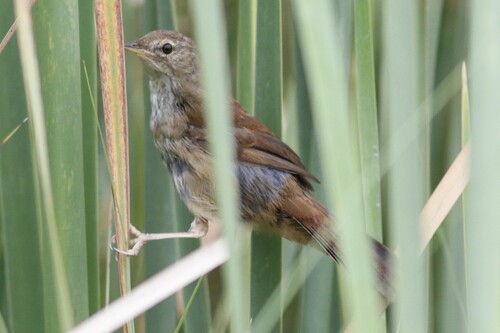 little rush warbler
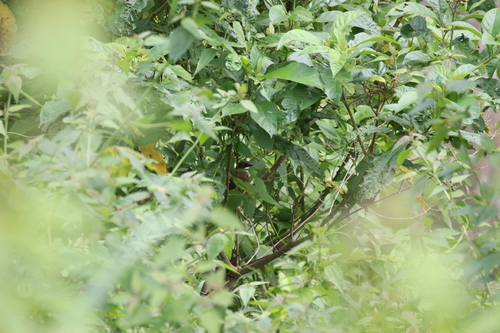 tuta-modesta
Em resumo
A maneira mais confiável de separar little rush warbler de tuta-modesta é pela estrutura geral e habitat: o warbler é um pequeno e esguio furtivo de juncos densos e pântanos, enquanto o greenbul é um pássaro maior e mais robusto de florestas e bordas de matas. O little rush warbler é simples e acastanhado, com um bico fino e asas curtas, frequentemente visto rastejando baixo na vegetação úmida. O tuta-modesta é verde-oliva por cima, pálido por baixo, com um bico mais robusto e uma postura mais ereta e ativa em habitats florestais mais secos. Se você vê um pássaro em um pântano ou canavial, é quase certamente o warbler; em florestas ou matas arbustivas, é provável que seja o greenbul.
Dicas de identificação
- O habitat é frequentemente decisivo: little rush warbler é restrito a habitats densos e úmidos como canaviais e pântanos, enquanto tuta-modesta é encontrado em florestas, bordas de matas e arbustos. Se você vê o pássaro em um pântano, é quase certamente o warbler.
- Tamanho e forma geral: O warbler é menor, mais esguio e mais delicado, com um bico fino e pontudo. O greenbul é maior, mais robusto e tem um bico visivelmente mais grosso.
- Forma do bico: little rush warbler tem um bico fino e pontudo adequado para pegar insetos dos juncos. O bico do tuta-modesta é mais robusto e mais cônico, refletindo sua dieta mais ampla.
- Cor da plumagem: O warbler é marrom ou ruivo simples por cima e pálido por baixo, com pouco contraste. O greenbul é verde-oliva por cima e mais pálido por baixo, frequentemente com um ventre amarelado ou esbranquiçado e um rosto mais brilhante.
- Estrutura da cauda e asas: O warbler tem uma cauda e asas relativamente curtas, dando-lhe uma aparência compacta, enquanto o greenbul tem uma cauda mais longa e um corpo mais substancial.
- Comportamento: little rush warbler é secreto, rastejando baixo na vegetação densa, raramente voando longe ou empoleirando-se em aberto. O tuta-modesta é mais ativo e visível, forrageando no sub-bosque ou na copa, frequentemente em pares ou pequenos grupos.
- Postura empoleirada: O warbler frequentemente aparece curvado e baixo ao chão, enquanto o greenbul se senta mais ereto e alerta.
- Estilo de voo: O warbler faz voos curtos e fracos dentro dos juncos; o greenbul voa mais forte e pode se mover entre árvores ou arbustos.
- Voz (quando conhecida): Se você ouvir uma canção ou chamada distinta, use-a, mas nenhum detalhe é fornecido aqui.
- Confusão juvenil/imatura: Nenhuma marca específica de plumagem juvenil ou imatura é descrita para nenhuma das espécies, então confie na estrutura e habitat.
- Dicas de contexto: Se você está observando pássaros em um pântano ou brejo, espere encontrar little rush warbler; em florestas ou matas, espere encontrar tuta-modesta.
- Armadilhas: Em luz fraca, os tons oliva do greenbul podem parecer mais apagados, mas o tamanho maior e o bico mais grosso ainda o separam do warbler.
- Sexo/estação: Nenhuma diferença de plumagem sexual ou sazonal é notada para nenhuma das espécies, então essas marcas se aplicam durante todo o ano.
- Comportamento em grupo: Greenbuls podem ser vistos em pequenos bandos ou grupos de espécies mistas; warblers geralmente são solitários ou em pares.
- Quando em dúvida: Priorize o habitat e a estrutura geral, pois a plumagem sozinha pode ser enganosa em condições ruins.
Tamanho
Little rush warbler é visivelmente menor e mais esguio que tuta-modesta. O warbler tem um bico delicado e fino e um corpo compacto, enquanto o greenbul é maior, com uma construção mais pesada e robusta e um bico mais grosso. Em comparação direta, o greenbul parece mais robusto e com cauda mais longa, refletindo seu estilo de forrageio e habitat diferentes.
Plumagem
Nenhuma marca específica de idade ou padrão de asa é dada para nenhuma das espécies, mas a coloração geral é distinta. Little rush warbler é uniformemente acastanhado ou ruivo por cima e mais pálido por baixo, sem forte contraste ou cores brilhantes. Sua plumagem é simples, ajudando-o a se misturar em juncos e vegetação de pântano. O tuta-modesta, em contraste, é verde-oliva por cima com um ventre mais pálido, frequentemente amarelado ou esbranquiçado, e pode mostrar um rosto ou garganta ligeiramente mais brilhante. A plumagem do greenbul é mais contrastante e colorida, especialmente quando vista em boa luz. Plumagens juvenis e imaturas não são descritas para nenhuma das espécies, então confie na coloração geral e na estrutura.
Comportamento
Little rush warbler é secreto e tende a ficar baixo na vegetação densa e úmida, rastejando ou pulando através de juncos e sedas. É raramente visto em aberto e frequentemente detectado por movimento ou canto. O tuta-modesta é mais ativo e conspícuo, forrageando em pequenos grupos ou pares no sub-bosque ou na copa de florestas e matas, às vezes atacando insetos ou frutas. O greenbul é mais propenso a ser visto em aberto, empoleirado ou se movendo através da folhagem.
Habitat
O habitat é um separador chave: little rush warbler é quase sempre encontrado em pântanos, canaviais ou pastagens úmidas, intimamente ligado à água e vegetação emergente densa. O tuta-modesta prefere florestas secas subtropicais ou tropicais, florestas úmidas de baixada e arbustos, e é amplamente distribuído em regiões de florestas tropicais africanas. Se o pássaro está em um pântano ou canavial, é quase certamente o warbler; se em florestas ou matas, é o greenbul.