

mergulhão-pequeno-europeu vs cagarraz
Tachybaptus ruficollis versus Podiceps nigricollis
Jogue um quiz com mergulhão-pequeno-europeu e cagarraz
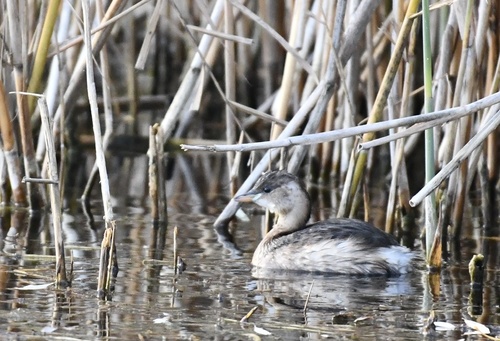 mergulhão-pequeno-europeu
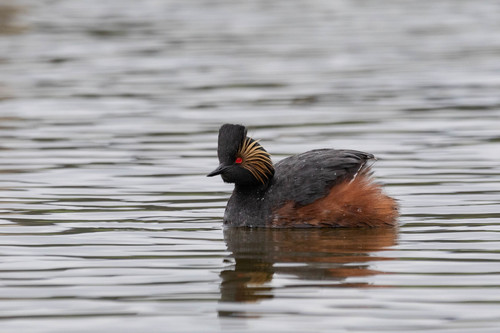 cagarraz
Em resumo
A marca de campo mais confiável entre o mergulhão-pequeno-europeu e o cagarraz é a presença de uma mancha branca bold nas asas em voo no cagarraz de todas as idades, que está ausente ou muito reduzida no mergulhão-pequeno-europeu (exceto algumas subespécies tropicais). Em repouso, o mergulhão-pequeno-europeu apresenta uma forma compacta e arredondada com um bico curto e pontudo e, na plumagem de reprodução, um pescoço e bochechas ruivos ricos, enquanto o cagarraz é mais longo, com um bico mais fino e levemente curvado para cima e, na reprodução, possui impressionantes leques de penas ocre atrás do olho. Em plumagens não reprodutivas e juvenis, ambos podem parecer apagados, mas o mergulhão-pequeno-europeu é menor, com um tom mais claro e uma parte traseira 'fofa', enquanto o cagarraz mantém uma touca mais escura e ovais brancos atrás das coberturas auriculares. O juvenil mergulhão-pequeno-europeu tem um bico amarelo com uma ponta preta e um rosto listrado, enquanto o juvenil cagarraz é mais marrom com lores pálidos e um tom amarelado no pescoço.
Dicas de identificação
- Mancha branca nas asas em voo: O cagarraz de todas as idades mostra uma mancha branca bold na asa superior (secundárias e primárias internas) em voo, frequentemente visível em repouso; o mergulhão-pequeno-europeu não possui isso, exceto em algumas subespécies tropicais. Este é o separador mais confiável, especialmente para imaturos e em voo.
- Forma do bico: O mergulhão-pequeno-europeu tem um bico curto e pontudo; o bico do cagarraz é mais longo, mais fino e levemente curvado para cima, frequentemente dando um perfil mais delicado.
- Forma do corpo e jizz: O mergulhão-pequeno-europeu é compacto, de corpo arredondado e frequentemente parece 'fofo' ou 'puff de pó' na parte traseira, especialmente no inverno. O cagarraz é de corpo mais longo e mais elegante.
- Plumagem de reprodução (adulto): O mergulhão-pequeno-europeu mostra ruivo rico no pescoço, bochechas e flancos com uma abertura amarela brilhante; o cagarraz tem uma cabeça, pescoço e partes superiores pretas com um impressionante leque de penas ocre atrás do olho e um olho vermelho brilhante.
- Plumagem não reprodutiva/juvenil: Ambos se tornam mais apagados, mas o mergulhão-pequeno-europeu é mais claro com uma touca mais escura e carece de forte contraste facial; o cagarraz mantém uma touca escura, ovais brancos atrás das coberturas auriculares e um pescoço cinza ou marrom com branco variável.
- Bico e rosto juvenil: O juvenil mergulhão-pequeno-europeu tem um bico amarelo com uma ponta preta e listras pretas e brancas nas bochechas e laterais do pescoço; à medida que envelhece, o bico escurece. O juvenil cagarraz é mais marrom, com lores pálidos, marcas esbranquiçadas atrás do olho e um tom claro ou amarelado no pescoço.
- Cor dos olhos: O cagarraz tem um olho vermelho brilhante vívido com um anel interno amarelo estreito e um anel orbital colorido; a cor dos olhos do mergulhão-pequeno-europeu varia por subespécie, mas nunca é tão intensamente vermelha.
- Cor dos flancos (reprodução): Os flancos do mergulhão-pequeno-europeu são ruivos na reprodução; os do cagarraz são ruivos amarelados a castanho-avermelhados com manchas escuras.
- Forma da parte traseira: A parte traseira do mergulhão-pequeno-europeu é frequentemente inchada e arredondada, especialmente no inverno; a parte traseira do cagarraz é menos pronunciada.
- Voz: Se você ouvir um relincho trinado, semelhante ao de um cavalo, é o mergulhão-pequeno-europeu; os chamados do cagarraz não são descritos aqui.
- Tamanho: O cagarraz é maior e mais pesado; o mergulhão-pequeno-europeu é notavelmente menor e mais compacto, mas cuidado com aves solitárias ou vistas distantes.
- Habitat: O mergulhão-pequeno-europeu é mais frequentemente encontrado em pequenas lagoas vegetadas; o cagarraz prefere águas maiores e abertas, mas isso não é um separador confiável onde ambos estão presentes.
- Variação de subespécies: Algumas subespécies tropicais do mergulhão-pequeno-europeu mostram mais branco na asa; consulte guias locais se estiver em regiões tropicais, pois isso pode reduzir a confiabilidade da marca da mancha na asa.
- Em repouso: A mancha branca da asa do cagarraz pode ser visível mesmo quando empoleirada, especialmente se a asa estiver ligeiramente aberta; a asa do mergulhão-pequeno-europeu é simples.
- Bandos mistos: Se você ver ambos juntos, o tamanho, jizz e padrão da asa se destacarão; caso contrário, confie na combinação de mancha da asa, forma do bico e detalhes da plumagem para a melhor separação.
Tamanho
cagarraz is distinctly larger, measuring 28–34 cm in length with a wingspan of 52–60 cm and weighing 215–450 g [wikipedia], while mergulhão-pequeno-europeu is notably smaller and more compact [wikipedia]. The difference is often apparent when seen together, but size alone can be misleading at distance or without direct comparison.
Plumagem
-
Juvenile/immature in flight: cagarraz of all ages shows a prominent white patch on the upperwing (formed by secondaries and inner primaries), visible in flight and often at rest; mergulhão-pequeno-europeu lacks this in most subspecies, with only some tropical forms showing extensive white. Juvenile mergulhão-pequeno-europeu has a yellow bill with a black tip and black-and-white streaks on the cheeks and neck sides; as it ages, the bill darkens. Juvenile cagarraz is similar to non-breeding adult but browner, with pale lores, whitish marks behind the eye, and a buffy or tawny tinge to the sides of the head and neck.
-
Adult breeding: mergulhão-pequeno-europeu is dark above with rich rufous neck, cheeks, and flanks, and a bright yellow gape. cagarraz is black to blackish-brown on head, neck, and upperparts, with a vivid ochre fan of feathers behind the eye and bright red eye.
-
Adult non-breeding: mergulhão-pequeno-europeu becomes buffy with a darker back and cap, losing the rufous; cagarraz is greyish-black above with a dark cap extending below the eye, white ovals behind the ear-coverts, and a grey to brownish-grey neck with variable white. Both can appear drab, but cagarraz keeps a darker cap and more contrast on the face.
Comportamento
Ambas as espécies são aves aquáticas mergulhadoras, frequentemente vistas nadando baixo na água e mergulhando com frequência. O mergulhão-pequeno-europeu tem um jizz mais compacto e arredondado e frequentemente parece 'puff de pó' na parte traseira, especialmente no inverno. O cagarraz tende a parecer mais longo e mais elegante, com um bico mais fino e levemente curvado para cima. Em voo, a mancha branca do cagarraz é óbvia, enquanto as asas do mergulhão-pequeno-europeu são simples ou apenas levemente marcadas na maioria das regiões. Ambos são cautelosos e rápidos para mergulhar quando perturbados.
Habitat
Ambas as espécies habitam lagos de água doce, lagoas e pântanos. O mergulhão-pequeno-europeu é mais provável de ser encontrado em pequenas lagoas e águas de movimento lento, às vezes em habitats mais vegetados ou abrigados. O cagarraz é frequentemente encontrado em corpos de água maiores e abertos, especialmente durante a migração e inverno, mas há considerável sobreposição, então o habitat não é um separador confiável onde ambos ocorrem.
Voz
O mergulhão-pequeno-europeu emite um chamado trinado e repetido 'weet-weet-weet' ou 'wee-wee-wee', que lembra o relincho de um cavalo [wikipedia]. Nenhuma vocalização distinta é descrita para o cagarraz nestas notas, então a voz é útil apenas para confirmar o mergulhão-pequeno-europeu.