

Zampullín Común vs Zampullín Cuellinegro
Tachybaptus ruficollis frente a Podiceps nigricollis
Juega un quiz con Zampullín Común y Zampullín Cuellinegro
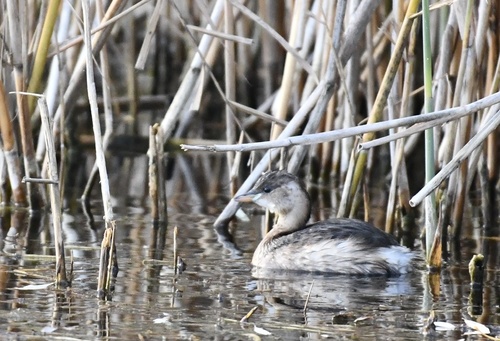 Zampullín Común
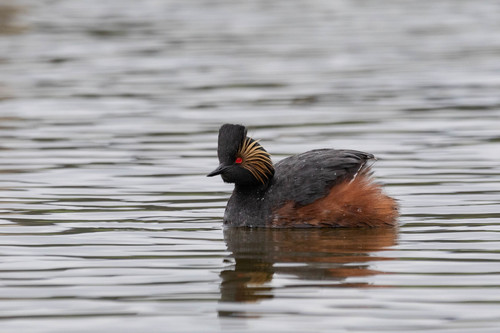 Zampullín Cuellinegro
En breve
La marca de campo más confiable entre el Zampullín Común y el Zampullín Cuellinegro es la presencia de una notable mancha blanca en el ala en vuelo en el Zampullín Cuellinegro de todas las edades, que está ausente o mucho reducida en el Zampullín Común (excepto algunas subespecies tropicales). En reposo, el Zampullín Común muestra una forma compacta y redondeada con un pico corto y puntiagudo y, en plumaje de cría, un rico cuello y mejillas rufo, mientras que el Zampullín Cuellinegro tiene un cuerpo más largo con un pico más delgado y ligeramente curvado hacia arriba y, en cría, tiene llamativos abanicos de plumas ocre detrás del ojo. En plumajes no reproductivos y juveniles, ambos pueden parecer apagados, pero el Zampullín Común es más pequeño, con un tono más claro y una parte trasera 'esponjosa', mientras que el Zampullín Cuellinegro conserva una cabeza más oscura y óvalos blancos detrás de las cobertoras de la oreja. El Zampullín Común juvenil tiene un pico amarillo con una punta negra y una cara rayada, mientras que el Zampullín Cuellinegro juvenil es más marrón con lóbulos pálidos y un tinte amarillento en el cuello.
Consejos de identificación
- Mancha blanca en el ala en vuelo: El Zampullín Cuellinegro de todas las edades muestra una notable mancha blanca en el ala superior (secundarias y primarias internas) en vuelo, a menudo visible en reposo; el Zampullín Común carece de esto, excepto en algunas subespecies tropicales. Este es el separador más confiable, especialmente para inmaduros y en vuelo.
- Forma del pico: El Zampullín Común tiene un pico corto y puntiagudo; el pico del Zampullín Cuellinegro es más largo, más delgado y ligeramente curvado hacia arriba, lo que a menudo le da un perfil más delicado.
- Forma del cuerpo y jizz: El Zampullín Común es compacto, de cuerpo redondeado, y a menudo parece 'esponjoso' o 'de algodón' en la parte trasera, especialmente en invierno. El Zampullín Cuellinegro es de cuerpo más largo y más elegante.
- Plumaje de cría (adulto): El Zampullín Común muestra un rico rufo en el cuello, mejillas y flancos con una boca amarilla brillante; el Zampullín Cuellinegro tiene una cabeza, cuello y partes superiores negras con un llamativo abanico de plumas ocre detrás del ojo y un ojo rojo brillante.
- Plumaje no reproductivo/juvenil: Ambos se vuelven más apagados, pero el Zampullín Común es de tono claro con una cabeza más oscura y carece de un fuerte contraste facial; el Zampullín Cuellinegro conserva una cabeza oscura, óvalos blancos detrás de las cobertoras de la oreja y un cuello grisáceo o marrón con blanco variable.
- Pico y cara juvenil: El Zampullín Común juvenil tiene un pico amarillo con una punta negra y rayas en blanco y negro en las mejillas y lados del cuello; a medida que envejece, el pico se oscurece. El Zampullín Cuellinegro juvenil es más marrón, con lóbulos pálidos, marcas blanquecinas detrás del ojo y un tinte claro o amarillento en el cuello.
- Color del ojo: El Zampullín Cuellinegro tiene un ojo rojo brillante y vívido con un anillo interno amarillo estrecho y un anillo orbital de color; el color del ojo del Zampullín Común varía según la subespecie, pero nunca es tan llamativamente rojo.
- Color del flanco (reproducción): Los flancos del Zampullín Común son rufo en reproducción; los del Zampullín Cuellinegro son rufo amarillento a castaño-marrón con manchas negruzcas.
- Forma trasera: La parte trasera del Zampullín Común a menudo está inflada y redondeada, especialmente en invierno; la parte trasera del Zampullín Cuellinegro es menos pronunciada.
- Voz: Si escuchas un trino, similar a un relincho de caballo, es el Zampullín Común; los llamados del Zampullín Cuellinegro no se describen aquí.
- Tamaño: El Zampullín Cuellinegro es más grande y pesado; el Zampullín Común es notablemente más pequeño y compacto, pero ten cuidado con aves solitarias o vistas distantes.
- Hábitat: El Zampullín Común se encuentra más a menudo en pequeños estanques vegetados; el Zampullín Cuellinegro prefiere aguas más grandes y abiertas, pero esto no es un separador confiable donde ambos están presentes.
- Variación de subespecies: Algunas subespecies tropicales del Zampullín Común muestran más blanco en el ala; consulta guías locales si estás en regiones tropicales, ya que esto puede reducir la confiabilidad de la marca de la mancha en el ala.
- En reposo: La mancha blanca del ala del Zampullín Cuellinegro puede ser visible incluso cuando está posado, especialmente si el ala está ligeramente abierta; el ala del Zampullín Común es simple.
- Bandadas mixtas: Si ves ambos juntos, el tamaño, jizz y patrón del ala se destacarán; de lo contrario, confía en la combinación de la mancha del ala, la forma del pico y los detalles del plumaje para una mejor separación.
Tamaño
El Zampullín Cuellinegro es claramente más grande, midiendo 28–34 cm de longitud con una envergadura de 52–60 cm y pesando 215–450 g [wikipedia], mientras que el Zampullín Común es notablemente más pequeño y compacto [wikipedia]. La diferencia es a menudo evidente cuando se ven juntos, pero el tamaño por sí solo puede ser engañoso a distancia o sin comparación directa.
Plumaje
-
Juvenil/inmaduro en vuelo: El Zampullín Cuellinegro de todas las edades muestra una prominente mancha blanca en el ala superior (formada por secundarias y primarias internas), visible en vuelo y a menudo en reposo; el Zampullín Común carece de esto en la mayoría de las subespecies, con solo algunas formas tropicales mostrando blanco extenso. El Zampullín Común juvenil tiene un pico amarillo con una punta negra y rayas en blanco y negro en las mejillas y lados del cuello; a medida que envejece, el pico se oscurece. El Zampullín Cuellinegro juvenil es similar al adulto no reproductivo pero más marrón, con lóbulos pálidos, marcas blanquecinas detrás del ojo y un tinte claro o amarillento en los lados de la cabeza y el cuello.
-
Adulto en cría: El Zampullín Común es oscuro por encima con un rico cuello rufo, mejillas y flancos, y una boca amarilla brillante. El Zampullín Cuellinegro es negro a marrón negruzco en la cabeza, cuello y partes superiores, con un vívido abanico de plumas ocre detrás del ojo y un ojo rojo brillante.
-
Adulto no reproductivo: El Zampullín Común se vuelve claro con un dorso y una cabeza más oscuros, perdiendo el rufo; el Zampullín Cuellinegro es grisáceo-negro por encima con una cabeza oscura que se extiende debajo del ojo, óvalos blancos detrás de las cobertoras de la oreja, y un cuello gris a marrón grisáceo con blanco variable. Ambos pueden parecer apagados, pero el Zampullín Cuellinegro mantiene una cabeza más oscura y más contraste en la cara.
Comportamiento
Ambas especies son aves acuáticas buceadoras, a menudo vistas nadando bajo en el agua y buceando con frecuencia. El Zampullín Común tiene un jizz más compacto y redondeado y a menudo parece 'esponjoso' en la parte trasera, especialmente en invierno. El Zampullín Cuellinegro tiende a verse más largo y elegante, con un pico más delgado y ligeramente curvado hacia arriba. En vuelo, la mancha blanca del ala del Zampullín Cuellinegro es obvia, mientras que las alas del Zampullín Común son simples o solo débilmente marcadas en la mayoría de las regiones. Ambos son cautelosos y rápidos para bucear cuando son molestados.
Hábitat
Ambas especies habitan lagos, estanques y pantanos de agua dulce. El Zampullín Común es más probable que se encuentre en pequeños estanques y aguas de movimiento lento, a veces en hábitats más vegetados o protegidos. El Zampullín Cuellinegro se encuentra a menudo en cuerpos de agua más grandes y abiertos, especialmente durante la migración y el invierno, pero hay una considerable superposición, por lo que el hábitat no es un separador confiable donde ambos ocurren.
Voz
El Zampullín Común emite un llamado trinado y repetido 'weet-weet-weet' o 'wee-wee-wee', que recuerda a un relincho de caballo [wikipedia]. No se describe ninguna vocalización distintiva para el Zampullín Cuellinegro en estas notas, por lo que la voz solo es útil para confirmar el Zampullín Común.
Zampullín Común · Zampullín Cuellinegro · Mis aves difíciles