

escrevedeira-pequena vs escrevedeira-ferrugínea
Emberiza pusilla versus Emberiza rutila
Jogue um quiz com escrevedeira-pequena e escrevedeira-ferrugínea
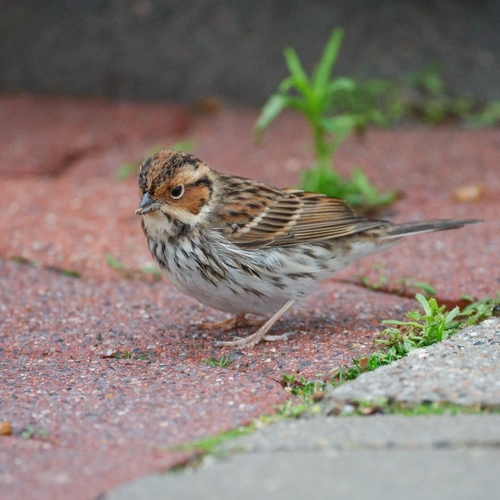 escrevedeira-pequena
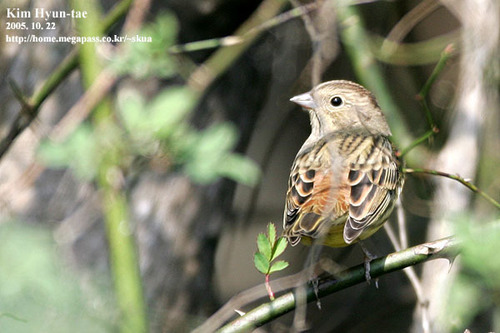 escrevedeira-ferrugínea
Em resumo
A maneira mais confiável de separar a escrevedeira-pequena da escrevedeira-ferrugínea é pelo padrão facial: a escrevedeira-pequena sempre apresenta uma faixa malar branca nítida e uma borda escura fina em sua bochecha ferrugínea, juntamente com um anel ocular branco e listras pretas na coroa, enquanto a escrevedeira-ferrugínea (especialmente os machos em reprodução) tem uma cabeça ferrugínea muito mais extensa, com marcas faciais menos definidas. Em todas as plumagens, a escrevedeira-pequena é menor e mais compacta, com partes inferiores brancas fortemente estriadas no peito e flancos, contrastando com as partes inferiores amareladas e as partes superiores ferrugíneas da escrevedeira-ferrugínea. Fêmeas e escrevedeiras-ferrugíneas não reprodutoras podem parecer opacas e estriadas, mas ainda assim carecem do padrão facial nitidamente definido da escrevedeira-pequena. Os chamados são semelhantes, mas o da escrevedeira-pequena é ligeiramente mais metálico. A estrutura e o padrão da cauda podem ajudar em voo, especialmente pela falta de branco na cauda da escrevedeira-ferrugínea.
Dicas de identificação
- O padrão facial é a chave: A escrevedeira-pequena sempre apresenta uma faixa malar branca nítida e uma borda escura fina na parte de trás da bochecha ferrugínea, além de um anel ocular branco e listras pretas na coroa. A escrevedeira-ferrugínea carece desse contraste facial nítido em todas as plumagens.
- Listras da coroa: A escrevedeira-pequena tem listras pretas na coroa bem definidas, visíveis mesmo em luz fraca. A coroa da escrevedeira-ferrugínea é mais uniformemente ferrugínea em machos em reprodução, ou marrom opaco em fêmeas/não reprodutores, sem listras fortes.
- Cor das partes inferiores: A escrevedeira-pequena tem partes inferiores brancas com estrias escuras fortes no peito e flancos. A escrevedeira-ferrugínea (especialmente os machos) tem partes inferiores amarelas com estrias apenas nas laterais; as fêmeas são amarelas pálidas por baixo, não brancas.
- Cor das partes superiores: Machos em reprodução da escrevedeira-ferrugínea são de um ferrugem brilhante acima e na cabeça, enquanto a escrevedeira-pequena é muito mais opaca e carece de extensas áreas ferrugíneas acima.
- Mancha na bochecha: A bochecha ferrugínea da escrevedeira-pequena é nitidamente contornada, especialmente na parte de trás, enquanto a cabeça da escrevedeira-ferrugínea é mais uniformemente ferrugínea ou acastanhada, sem borda escura fina.
- Anel ocular: A escrevedeira-pequena tem um anel ocular branco claro; a escrevedeira-ferrugínea não apresenta um anel ocular forte em nenhuma plumagem.
- Padrão da cauda: A cauda da escrevedeira-ferrugínea é curta, com pouco ou nenhum branco nas penas externas. Embora não especificado para a escrevedeira-pequena, a maioria das Emberiza apresenta algum branco na cauda, então procure por isso em voo, se visível.
- Tamanho e estrutura: A escrevedeira-pequena é menor e mais compacta, com um corpo mais curto e uma sensação mais delicada. A escrevedeira-ferrugínea é mais longa e robusta, mas essa diferença é sutil, a menos que você tenha uma comparação direta.
- Armadilhas de sexo e idade: Fêmeas e escrevedeiras-ferrugíneas não reprodutoras são opacas e estriadas, mas ainda carecem do padrão malar e da bochecha nitidamente definidos da escrevedeira-pequena. Não confie apenas na opacidade geral ou nas estrias.
- Cor do rabo: Fêmeas da escrevedeira-ferrugínea apresentam um rabo ferrugento opaco, que não é uma característica da escrevedeira-pequena.
- Cor da garganta: Fêmeas da escrevedeira-ferrugínea têm uma garganta amarelada, enquanto a garganta da escrevedeira-pequena é branca com a faixa malar.
- Voz: Os chamados são semelhantes e não são confiáveis para separação, a menos que a canção completa seja ouvida; a canção da escrevedeira-pequena é uma série rolante, a da escrevedeira-ferrugínea é mais variável e aguda.
- Habitat/contexto: Ambas as espécies podem ocorrer em habitats semelhantes durante a migração ou como vagantes; não confie no habitat para separação.
- Mudanças sazonais: Machos da escrevedeira-ferrugínea são mais brilhantes em plumagem de reprodução; em não-reprodução, o ferrugem é parcialmente obscurecido, mas ainda carece do padrão facial nitidamente definido da escrevedeira-pequena.
- Quando em dúvida: Se você ver uma escrevedeira com uma faixa malar branca nitidamente definida, anel ocular branco e listras pretas na coroa, é uma escrevedeira-pequena. Se o pássaro for maior, com partes inferiores amareladas e uma cabeça mais uniforme, suspeite da escrevedeira-ferrugínea.
Tamanho
A escrevedeira-pequena é distintamente menor, medindo 12–14 cm de comprimento e cerca de 15,4 g de massa [wikidata], enquanto a escrevedeira-ferrugínea mede 14–15 cm de comprimento e parece ligeiramente mais robusta. No campo, a escrevedeira-pequena parece mais delicada e compacta, enquanto a escrevedeira-ferrugínea tem uma cauda um pouco mais longa e um corpo mais pesado, embora essa diferença possa ser sutil, a menos que os pássaros estejam lado a lado.
Plumagem
Pássaros juvenis e não reprodutores são os mais propensos a causar confusão. A escrevedeira-pequena de todas as idades apresenta uma faixa malar branca, anel ocular branco e uma borda escura fina na parte de trás da mancha da bochecha ferrugínea, com listras pretas na coroa. Suas partes inferiores são brancas com estrias escuras fortes no peito e flancos. Machos em reprodução da escrevedeira-ferrugínea são de um ferrugem brilhante acima e na cabeça, com partes inferiores amarelas e algumas estrias nas laterais; machos não reprodutores são mais opacos, com o ferrugem parcialmente obscurecido por franjas de penas pálidas. As fêmeas são principalmente marrons opacas acima, com estrias escuras, amarelas pálidas por baixo, um rabo ferrugento opaco e uma garganta amarelada. A escrevedeira-ferrugínea nunca apresenta o padrão malar e de bochecha nitidamente definidos da escrevedeira-pequena. A cauda da escrevedeira-ferrugínea é curta, com pouco ou nenhum branco nas penas externas, enquanto a escrevedeira-pequena pode mostrar algum branco na cauda (não especificado, mas típico do gênero). Em resumo, concentre-se no padrão facial e na cor/estrias das partes inferiores para todas as idades.
Comportamento
Ambas as espécies são típicas de escrevedeiras em comportamento, frequentemente se alimentando no chão ou em vegetação baixa. Nenhuma diferença comportamental significativa é notada nas fontes; ambas podem pousar baixo e cantar de arbustos ou árvores. O estilo de voo não é descrito como um separador forte.
Habitat
Ambas as espécies são escrevedeiras do Velho Mundo do Paleártico, mas a escrevedeira-ferrugínea é mais estritamente oriental em distribuição. As preferências de habitat não são descritas como um separador confiável no campo para essas duas espécies, especialmente durante a migração ou vagância.
Voz
Ambas as espécies emitem um chamado curto e agudo: o da escrevedeira-pequena é descrito como um 'zik' distinto, enquanto o da escrevedeira-ferrugínea é um 'zick' curto, muito semelhante. As canções diferem mais: a canção da escrevedeira-pequena é uma série rolante 'siroo-sir-sir-siroo', enquanto a da escrevedeira-ferrugínea é uma canção variável e aguda dada de um pouso baixo. Na prática, os chamados são tão semelhantes que não são um separador seguro, a menos que a canção seja bem ouvida.
escrevedeira-pequena · escrevedeira-ferrugínea · Minhas aves difíceis