

light-vented bulbul vs styan's bulbul
Pycnonotus sinensis versus Pycnonotus taivanus
Jogue um quiz com light-vented bulbul e styan's bulbul
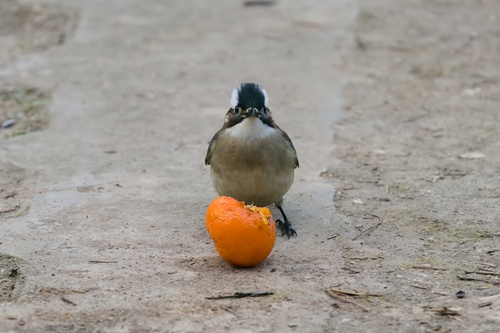 light-vented bulbul
 styan's bulbul
Em resumo
A marca de campo mais confiável entre light-vented bulbul e styan's bulbul é o padrão de branco e preto na cabeça: light-vented tem uma coroa preta e uma faixa bigode preta, com branco se estendendo dos olhos até a nuca e os lados da cabeça, enquanto styan's tem uma coroa completamente preta e uma faixa bigode preta, mas o branco é restrito a uma mancha ao redor do olho e não se estende atrás da coroa. Ambas as espécies são semelhantes em tamanho e forma geral, e suas partes superiores oliva-marrom e partes inferiores esbranquiçadas podem ser confusas, especialmente à distância ou em luz fraca. Híbridos ocorrem e podem mostrar padrões de cabeça intermediários, complicando a identificação em zonas de sobreposição. O habitat é um pouco útil: styan's é endêmico do leste e sul de Taiwan, enquanto light-vented é amplamente distribuído na Ásia Oriental e domina a maioria dos habitats em Taiwan, exceto a costa leste.
Dicas de identificação
- O padrão da cabeça é a marca de campo mais importante:
- Light-vented Bulbul: coroa preta e faixa bigode preta, com uma ampla mancha branca se estendendo do olho até a nuca e ao redor dos lados da cabeça. O branco é extenso e envolve atrás da coroa.
- Styan's Bulbul: coroa completamente preta, faixa bigode preta, mas o branco é limitado a uma mancha ao redor do olho e não se estende atrás da coroa.
- Observe a extensão do branco na cabeça:
- Se a mancha branca se estender bem atrás da coroa, você está quase certamente olhando para light-vented.
- Se o branco estiver apenas ao redor do olho e a coroa for preta sólida, suspeite de styan's.
- Cuidado com híbridos:
- Em zonas de sobreposição (especialmente no leste de Taiwan), híbridos podem mostrar padrões intermediários, como branco ao redor do olho com uma pequena extensão atrás da coroa. Esses pássaros não podem ser atribuídos com segurança a nenhuma das espécies no campo.
- Ignore a cor geral do corpo:
- Ambas as espécies têm partes superiores oliva-marrom semelhantes, asas e cauda marrons com bordas oliva, e partes inferiores esbranquiçadas com uma faixa peitoral marrom pálido. Essas características não as separam.
- Sem marcas úteis específicas de idade ou voo:
- Não há diferenças relatadas nos padrões de asas ou cauda de juvenis ou imaturos, nem marcas de voo distintas.
- Estrutura e tamanho não são úteis:
- Ambas têm forma de bico, comprimento de cauda e proporções gerais semelhantes. Não confie nessas características.
- Habitat como uma pista de apoio:
- Em Taiwan, styan's é encontrado apenas no leste e sul, especialmente ao longo da costa leste. Light-vented domina em outros lugares, incluindo parques urbanos, subúrbios e a maior parte da ilha. Fora de Taiwan, apenas light-vented ocorre.
- Vocalizações não são diagnósticas:
- Enquanto light-vented é descrito como barulhento e variável em canção, não há diferença clara em chamadas ou canção para separá-los no campo.
- O contexto importa:
- Se você estiver em um parque da cidade no centro ou oeste de Taiwan, light-vented é quase certo. Se você estiver na costa leste de Taiwan, verifique cuidadosamente o padrão da cabeça para styan's.
- Os sexos são semelhantes:
- Nenhum dimorfismo sexual é relatado para nenhuma das espécies; todas as marcas de campo se aplicam a ambos os sexos.
- A estação não afeta a identificação:
- Nenhuma mudança sazonal de plumagem é observada; o padrão da cabeça é estável durante todo o ano.
- Tenha cuidado com vistas distantes ou contraluz:
- O padrão chave da cabeça pode ser difícil de ver em luz fraca ou à distância. Espere por um perfil claro ou vista frontal para verificar a extensão do branco.
- Fotografe para revisão posterior em zonas de sobreposição:
- Se estiver em dúvida, especialmente no leste de Taiwan, uma foto pode ajudar a esclarecer diferenças sutis no padrão da cabeça ou documentar um possível híbrido.
- Não use comportamento ou estilo de alimentação:
- Ambas as espécies se comportam de maneira semelhante e se alimentam da mesma forma; isso não é útil para separação.
- Resumo: Sempre priorize o padrão da cabeça, especialmente a extensão do branco atrás da coroa, para uma identificação de campo confiante.
Tamanho
Ambas as espécies são muito semelhantes em tamanho e estrutura. Light-vented Bulbul pesa em média cerca de 29,9g e tem cerca de 19 cm de comprimento; não há dados específicos de massa disponíveis para Styan's Bulbul, mas não é notavelmente diferente no campo. A estrutura (bico, cauda, postura) não as separa de forma confiável.
Plumagem
Não há diferenças específicas de idade nos padrões de asas ou voo observadas para nenhuma das espécies; o foco está inteiramente no padrão da cabeça em todas as plumagens. O light-vented Bulbul adulto apresenta uma coroa preta e uma faixa bigode preta, com uma ampla mancha branca se estendendo do olho até a nuca e ao redor dos lados da cabeça. Styan's Bulbul tem uma coroa completamente preta e uma faixa bigode preta, mas o branco é confinado a uma mancha ao redor do olho e não se estende atrás da coroa. Híbridos podem mostrar uma mistura: branco ao redor do olho, às vezes se estendendo ligeiramente atrás da coroa, mas não tão extensivamente quanto em light-vented. O restante da plumagem (partes superiores oliva-marrom, asas e cauda marrons com bordas oliva, partes inferiores esbranquiçadas com uma faixa peitoral marrom pálido) é muito semelhante entre os dois e não é confiavelmente diagnóstica.
Comportamento
Ambas as espécies se comportam de maneira semelhante no campo, sendo ativas, sociais e frequentemente pássaros cantores barulhentos. Elas forrageiam em áreas levemente arborizadas, parques e terras cultivadas, e são frequentemente vistas em pequenos grupos. Nenhuma característica comportamental distingue elas de forma confiável.
Habitat
O habitat pode ser uma pista útil em Taiwan: Styan's Bulbul é restrito ao leste e sul de Taiwan, onde é localmente comum, mas vulnerável. Light-vented Bulbul é amplamente distribuído pela Ásia Oriental e domina a maioria dos habitats em Taiwan, exceto a costa leste, onde styan's o substitui. Em parques urbanos e subúrbios, light-vented é mais provável, a menos que você esteja na área central de styan's. Fora de Taiwan, qualquer bulbul com esse padrão é quase certamente light-vented.
Voz
Light-vented Bulbul é descrito como barulhento com uma canção brilhante e variável (cha-ko-lee...cha-ko-lee...), mas não há comparação detalhada das vocalizações entre as duas espécies. A voz não é um separador confiável com base nas notas disponíveis.