
Light-vented Bulbul vs Styan's Bulbul
Pycnonotus sinensis contro Pycnonotus taivanus
Fai un quiz con Light-vented Bulbul e Styan's Bulbul
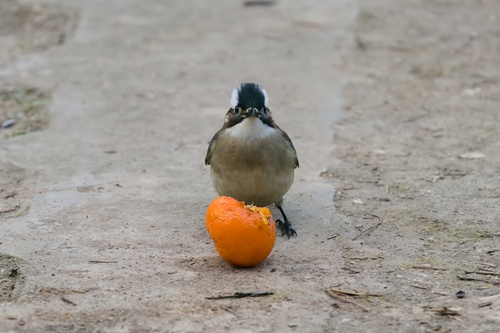 Light-vented Bulbul
 Styan's Bulbul
In breve
Il segno di campo più affidabile tra Light-vented Bulbul e Styan's Bulbul è il motivo di bianco e nero sulla testa: Light-vented ha una corona nera e una striscia moustachiale, con il bianco che si estende dagli occhi alla nuca e ai lati della testa, mentre Styan's ha una corona completamente nera e una striscia moustachiale nera, ma il bianco è limitato a una macchia attorno all'occhio e non si estende dietro la corona. Entrambe le specie sono simili in dimensioni e forma complessive, e le loro parti superiori di colore oliva-marrone e le parti inferiori bianche possono essere confuse, specialmente a distanza o in scarsa luce. Si verificano ibridi e possono mostrare motivi di testa intermedi, complicando l'identificazione nelle zone di sovrapposizione. L'habitat è in qualche modo utile: Styan's è endemico della Taiwan orientale e meridionale, mentre Light-vented è diffuso in tutta l'Asia orientale e domina la maggior parte degli habitat a Taiwan, tranne che sulla costa orientale.
Consigli di identificazione
- Il motivo della testa è il segno di campo più importante:
- Light-vented Bulbul: corona nera e striscia moustachiale, con una ampia macchia bianca che si estende dall'occhio alla nuca e attorno ai lati della testa. Il bianco è esteso e avvolge dietro la corona.
- Styan's Bulbul: corona completamente nera, striscia moustachiale nera, ma il bianco è limitato a una macchia attorno all'occhio e non si estende dietro la corona.
- Controlla l'estensione del bianco sulla testa:
- Se la macchia bianca si estende bene dietro la corona, stai quasi certamente guardando Light-vented.
- Se il bianco è solo attorno all'occhio e la corona è completamente nera, sospetta Styan's.
- Fai attenzione agli ibridi:
- Nelle zone di sovrapposizione (soprattutto nella Taiwan orientale), gli ibridi possono mostrare motivi intermedi, come il bianco attorno all'occhio con una piccola estensione dietro la corona. Questi uccelli non possono essere assegnati in modo sicuro a nessuna delle due specie sul campo.
- Ignora il colore generale del corpo:
- Entrambe le specie hanno parti superiori di colore oliva-marrone simili, ali e coda marroni con bordi oliva, e parti inferiori bianche con una banda pettorale marrone chiaro. Queste caratteristiche non le separano.
- Nessun segno utile specifico per l'età o il volo:
- Non ci sono differenze segnalate nei motivi delle ali o della coda per i giovani o gli immaturi, né segni distintivi di volo.
- Struttura e dimensioni non sono utili:
- Entrambi hanno una forma del becco, lunghezza della coda e proporzioni generali simili. Non fare affidamento su queste caratteristiche.
- L'habitat come indizio di supporto:
- A Taiwan, Styan's si trova solo a est e a sud, specialmente lungo la costa orientale. Light-vented domina altrove, inclusi parchi urbani, sobborghi e la maggior parte dell'isola. Fuori da Taiwan, solo Light-vented si verifica.
- Le vocalizzazioni non sono diagnostiche:
- Anche se Light-vented è descritto come rumoroso e variabile nel canto, non c'è una chiara differenza nei richiami o nel canto per separarli sul campo.
- Il contesto è importante:
- Se ti trovi in un parco cittadino nel centro o nell'ovest di Taiwan, Light-vented è quasi certo. Se sei nella Taiwan orientale costiera, controlla attentamente il motivo della testa per Styan's.
- I sessi sono simili:
- Non è stato segnalato dimorfismo sessuale per nessuna delle due specie; tutti i segni di campo si applicano a entrambi i sessi.
- La stagione non influisce sull'identificazione:
- Non sono state notate variazioni stagionali nel piumaggio; il motivo della testa è stabile tutto l'anno.
- Fai attenzione a viste distanti o retroilluminate:
- Il motivo chiave della testa può essere difficile da vedere in scarsa luce o a distanza. Aspetta un profilo chiaro o una vista frontale per controllare l'estensione del bianco.
- Fotografa per una revisione successiva nelle zone di sovrapposizione:
- Se non sei sicuro, soprattutto nella Taiwan orientale, una foto può aiutare a chiarire sottili differenze nel motivo della testa o documentare un possibile ibrido.
- Non usare il comportamento o lo stile di alimentazione:
- Entrambe le specie si comportano in modo simile e si alimentano allo stesso modo; questi non sono utili per la separazione.
- Riepilogo: Dai sempre priorità al motivo della testa, specialmente all'estensione del bianco dietro la corona, per un'identificazione sul campo sicura.
Taglia
Entrambe le specie sono molto simili in dimensioni e struttura. Light-vented Bulbul pesa in media circa 29.9g e ha una lunghezza di circa 19 cm; non sono disponibili dati specifici sul peso per Styan's Bulbul, ma non è notevolmente diverso sul campo. La struttura (becco, coda, postura) non le separa in modo affidabile.
Piumaggio
Non sono state notate differenze specifiche per l'età nei motivi delle ali o di volo per nessuna delle due specie; l'attenzione è interamente sul motivo della testa in tutti i piumaggi. L'adulto Light-vented Bulbul mostra una corona nera e una striscia moustachiale nera, con una ampia macchia bianca che si estende dall'occhio alla nuca e attorno ai lati della testa. Styan's Bulbul ha una corona completamente nera e una striscia moustachiale nera, ma il bianco è confinato a una macchia attorno all'occhio e non si estende dietro la corona. Gli ibridi possono mostrare una mescolanza: bianco attorno all'occhio, a volte estendendosi leggermente dietro la corona ma non così ampiamente come in Light-vented. Il resto del piumaggio (parti superiori oliva-marrone, ali e coda marroni con bordi oliva, parti inferiori bianche con una banda pettorale marrone chiaro) è molto simile tra i due e non è affidabilmente diagnostico.
Comportamento
Entrambe le specie si comportano in modo simile sul campo, essendo attive, sociali e spesso uccelli canori rumorosi. Si nutrono in aree leggermente boschive, parchi e terreni coltivati, e sono frequentemente visti in piccoli gruppi. Nessuna caratteristica comportamentale distingue in modo affidabile.
Habitat
L'habitat può essere un indizio utile a Taiwan: Styan's Bulbul è ristretto alla Taiwan orientale e meridionale, dove è localmente comune ma vulnerabile. Light-vented Bulbul è diffuso in tutta l'Asia orientale e domina la maggior parte degli habitat a Taiwan, tranne che sulla costa orientale, dove Styan's lo sostituisce. Nei parchi urbani e nei sobborghi, Light-vented è più probabile a meno che tu non sia nell'area centrale di Styan's. Fuori da Taiwan, qualsiasi bulbul con questo motivo è quasi certamente Light-vented.
Voce
Light-vented Bulbul è descritto come rumoroso con un canto brillante e variabile (cha-ko-lee...cha-ko-lee...), ma non c'è un confronto dettagliato delle vocalizzazioni tra le due specie. La voce non è un separatore affidabile basato sulle note disponibili.
Light-vented Bulbul · Styan's Bulbul · I miei uccelli difficili