

Chinese buulbuul vs Taiwanese buulbuul
Pycnonotus sinensis versus Pycnonotus taivanus
Speel een quiz met Chinese buulbuul en Taiwanese buulbuul
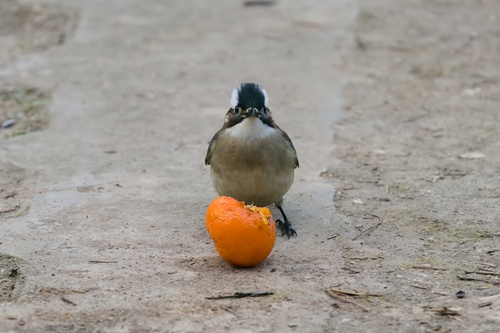 Chinese buulbuul
 Taiwanese buulbuul
Kort gezegd
Het meest betrouwbare veldkenmerk tussen Chinese buulbuul en Taiwanese buulbuul is het patroon van wit en zwart op het hoofd: Chinese buulbuul heeft een zwarte kroon en snorstrepen, met wit dat zich uitstrekt van de ogen naar de nek en de zijkanten van het hoofd, terwijl Taiwanese buulbuul een volledig zwarte kroon en een zwarte snorstreep heeft, maar het wit is beperkt tot een vlek rond het oog en strekt zich niet achter de kroon uit. Beide soorten zijn vergelijkbaar in algemene grootte en vorm, en hun olijfbruine bovenzijde en witachtige onderzijde kunnen verwarrend zijn, vooral op afstand of bij slecht licht. Hybriden komen voor en kunnen tussenliggende hoofdpatronen vertonen, wat identificatie in overlappingszones bemoeilijkt. Habitat is enigszins nuttig: Taiwanese buulbuul is endemisch in het oosten en zuiden van Taiwan, terwijl Chinese buulbuul wijdverspreid is in Oost-Azië en de meeste habitats in Taiwan domineert, behalve de oostkust.
Herkenningstips
- Hoofdpatroon is het belangrijkste veldkenmerk:
- Chinese buulbuul: zwarte kroon en snorstreep, met een brede witte vlek die van het oog naar de nek en rond de zijkanten van het hoofd loopt. Het wit is uitgebreid en wikkelt zich achter de kroon.
- Taiwanese buulbuul: volledig zwarte kroon, zwarte snorstreep, maar het wit is beperkt tot een vlek rond het oog en strekt zich niet achter de kroon uit.
- Let op de omvang van het wit op het hoofd:
- Als de witte vlek goed achter de kroon uitsteekt, kijk je bijna zeker naar Chinese buulbuul.
- Als het wit alleen rond het oog is en de kroon volledig zwart is, vermoed dan Taiwanese buulbuul.
- Pas op voor hybriden:
- In overlappingszones (vooral in oostelijk Taiwan) kunnen hybriden tussenliggende patronen vertonen, zoals wit rond het oog met een kleine uitbreiding achter de kroon. Deze vogels zijn niet veilig aan een van beide soorten toe te wijzen in het veld.
- Negeer de algemene lichaamskleur:
- Beide soorten hebben vergelijkbare olijfbruine bovenzijde, bruine vleugels en staart met olijfkleurige randen, en witachtige onderzijde met een lichtbruine borstband. Deze kenmerken scheiden ze niet.
- Geen nuttige leeftijds- of vluchtkenmerken:
- Er zijn geen gerapporteerde verschillen in juvenile of onvolwassen vleugel- of staartpatronen, noch enige onderscheidende vluchtkenmerken.
- Structuur en grootte zijn niet nuttig:
- Beide hebben een vergelijkbare snavelvorm, staartlengte en algemene verhoudingen. Vertrouw niet op deze kenmerken.
- Habitat als ondersteunende aanwijzing:
- In Taiwan komt Taiwanese buulbuul alleen voor in het oosten en zuiden, vooral langs de oostkust. Chinese buulbuul domineert elders, inclusief stedelijke parken, voorsteden en het grootste deel van het eiland. Buiten Taiwan komt alleen Chinese buulbuul voor.
- Vocalisaties zijn niet diagnostisch:
- Terwijl Chinese buulbuul wordt beschreven als luidruchtig en variabel in zang, is er geen duidelijk verschil in roepen of zang om ze in het veld te scheiden.
- Context is belangrijk:
- Als je in een stadspark in centraal of westelijk Taiwan bent, is Chinese buulbuul bijna zeker. Als je in oostelijk kust-Taiwan bent, controleer dan het hoofdpatroon zorgvuldig op Taiwanese buulbuul.
- Geslachten zijn gelijk:
- Er is geen seksueel dimorfisme gerapporteerd voor beide soorten; alle veldkenmerken zijn van toepassing op beide geslachten.
- Seizoen beïnvloedt identificatie niet:
- Er zijn geen seizoensgebonden verenkleedveranderingen opgemerkt; het hoofdpatroon is het hele jaar door stabiel.
- Wees voorzichtig met verre of tegenlichtweergaven:
- Het belangrijkste hoofdpatroon kan moeilijk te zien zijn bij slecht licht of op afstand. Wacht op een duidelijk profiel of frontaal zicht om de omvang van het wit te controleren.
- Maak een foto voor latere beoordeling in overlappingszones:
- Als je twijfelt, vooral in oostelijk Taiwan, kan een foto helpen om subtiele verschillen in hoofdpatronen te sorteren of een mogelijke hybride te documenteren.
- Gebruik geen gedrag of voedingsstijl:
- Beide soorten gedragen zich vergelijkbaar en voeden zich op dezelfde manier; deze zijn niet nuttig voor scheiding.
- Samenvatting: Geef altijd prioriteit aan het hoofdpatroon, vooral de omvang van het wit achter de kroon, voor een betrouwbare veldidentificatie.
Grootte
Beide soorten zijn zeer vergelijkbaar in grootte en structuur. Chinese buulbuul weegt gemiddeld ongeveer 29,9 g en is ongeveer 19 cm lang; er zijn geen specifieke massa-gegevens beschikbaar voor Taiwanese buulbuul, maar het is niet merkbaar anders in het veld. Structuur (snavel, staart, houding) scheidt ze niet betrouwbaar.
Verenkleed
Er zijn geen leeftijdspecifieke verschillen in vleugel- of vluchtpatronen opgemerkt voor beide soorten; de focus ligt volledig op het hoofdpatroon in alle verenkleden. Volwassen Chinese buulbuul toont een zwarte kroon en zwarte snorstreep, met een brede witte vlek die van het oog naar de nek en rond de zijkanten van het hoofd loopt. Taiwanese buulbuul heeft een volledig zwarte kroon en zwarte snorstreep, maar het wit is beperkt tot een vlek rond het oog en strekt zich niet achter de kroon uit. Hybriden kunnen een mix vertonen: wit rond het oog, soms iets achter de kroon uitstrekkend, maar niet zo uitgebreid als bij Chinese buulbuul. De rest van het verenkleed (bovenzijde olijfbruin, vleugels en staart bruin met olijfkleurige randen, onderzijde witachtig met een lichtbruine borstband) is zeer vergelijkbaar tussen de twee en niet betrouwbaar diagnostisch.
Gedrag
Beide soorten gedragen zich vergelijkbaar in het veld, zijn actief, sociaal en vaak luidruchtige zangvogels. Ze foerageren in licht beboste gebieden, parken en gecultiveerd land, en worden vaak in kleine groepen gezien. Geen gedragskenmerk onderscheidt ze betrouwbaar.
Habitat
Habitat kan een nuttige aanwijzing zijn in Taiwan: Taiwanese buulbuul is beperkt tot oostelijk en zuidelijk Taiwan, waar het lokaal veel voorkomt maar kwetsbaar is. Chinese buulbuul is wijdverspreid in Oost-Azië en domineert de meeste habitats in Taiwan, behalve de oostkust, waar Taiwanese buulbuul het vervangt. In stedelijke parken en voorsteden is Chinese buulbuul waarschijnlijker, tenzij je in het kerngebied van Taiwanese buulbuul bent. Buiten Taiwan komt elke buulbuul met dit patroon bijna zeker Chinese buulbuul voor.
Geluid
Chinese buulbuul wordt beschreven als luidruchtig met een heldere, variabele zang (cha-ko-lee...cha-ko-lee...), maar er is geen gedetailleerde vergelijking van vocalisaties tussen de twee soorten. De stem is geen betrouwbare scheider op basis van beschikbare notities.