

lesser greenlet vs juruviara-de-garganta-amarela
Pachysylvia decurtata versus Vireo flavifrons
Jogue um quiz com lesser greenlet e juruviara-de-garganta-amarela
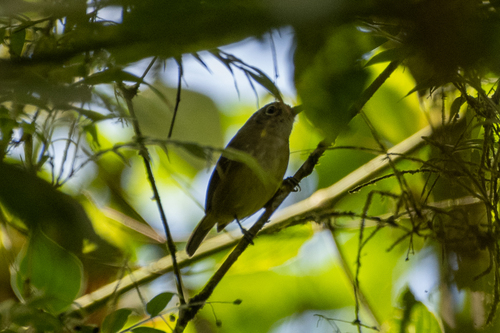 lesser greenlet
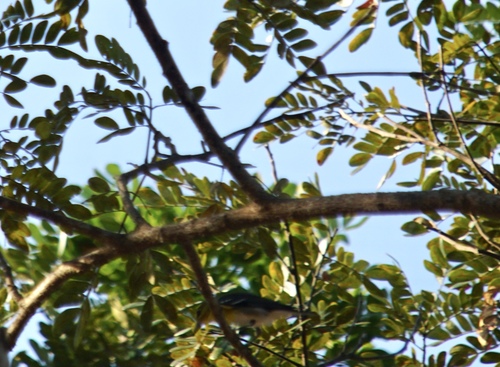 juruviara-de-garganta-amarela
Em resumo
A marca de campo mais confiável é a garganta amarela ousada e os 'óculos' amarelos proeminentes da juruviara-de-garganta-amarela, que contrastam fortemente com o rosto muito mais opaco e cinza-azulado a oliva do lesser greenlet e a falta de marcas faciais fortes. Em todas as plumagens, a juruviara é maior, mais robusta e tem barras brancas nas asas, enquanto o lesser greenlet é menor, mais esbelto e não tem barras nas asas. Ambos podem apresentar partes superiores oliva e partes inferiores amareladas, mas a garganta e os óculos da juruviara são diagnósticos em qualquer idade. Se você ver um pequeno pássaro oliva com uma coroa cinza-azulada e sem barras nas asas, é um lesser greenlet; se tiver uma garganta amarela brilhante, barriga branca e óculos ousados, é uma juruviara-de-garganta-amarela. Tamanho, estrutura e padrão facial são suas melhores ferramentas, especialmente se o pássaro estiver se movendo rapidamente ou parcialmente obscurecido.
Dicas de identificação
- Óculos amarelos (apenas juruviara): A juruviara-de-garganta-amarela sempre mostra um anel ocular amarelo ousado e lore amarelos, formando 'óculos'—nunca presentes no lesser greenlet de qualquer idade ou subespécie.
- Cor da garganta: A garganta da juruviara é amarela brilhante e claramente distinta da barriga branca; a garganta do lesser greenlet é cinza pálido ou esbranquiçada, com apenas uma leve lavagem amarela no peito e flancos.
- Barras nas asas: A juruviara-de-garganta-amarela tem duas barras brancas fortes nas asas escuras (todas as idades); o lesser greenlet tem asas cinza-escuras simples com bordas esverdeadas e sem barras.
- Padrão facial: O lesser greenlet tem uma coroa cinza-azulada ou oliva-cinza e parte superior do rosto, com um sutil anel ocular esbranquiçado e às vezes um supercílios pálido, mas nunca os óculos ousados da juruviara.
- Tamanho e estrutura: A juruviara é maior, mais robusta e tem um bico notavelmente mais grosso; o lesser greenlet é muito menor, mais esbelto e mais delicado no geral. Se ambos forem vistos juntos, a diferença de tamanho é impressionante.
- Formato do bico: O bico da juruviara é grosso e pesado, de cor azul-cinza; o bico do lesser greenlet é mais fino, cinza escuro por cima e pálido por baixo.
- Partes superiores: Ambos são oliva por cima, mas o do lesser greenlet é mais claro na região do rabo e pode mostrar uma coroa cinza-azulada (especialmente a subespécie nominativa e algumas subespécies); a cabeça e as costas da juruviara são mais uniformemente oliva.
- Partes inferiores: A juruviara tem uma barriga branca nítida e subcauda; as partes inferiores do lesser greenlet são mais desbotadas, com flancos e ventres amarelo-esverdeados se misturando a uma barriga esbranquiçada.
- Cor da íris: Ambos têm olhos escuros, então isso não é útil.
- Cor das pernas: Ambos têm pernas azul-cinza ou cinza pálido; não é uma marca de campo forte.
- Comportamento: A juruviara se move lentamente e metódicamente, muitas vezes sozinha ou em pares; o lesser greenlet é mais ativo, ágil e propenso a se juntar a bandos mistos.
- Contexto do habitat: Na América do Norte, apenas a juruviara é possível. Na América Central, a juruviara é um migrante (principalmente no inverno), o lesser greenlet é um residente durante todo o ano. Em florestas úmidas densas, o lesser greenlet é mais provável; em florestas abertas ou bordas, a juruviara é mais provável.
- Variação de subespécies (greenlet): Algumas subespécies de lesser greenlet têm uma coroa mais cinza ou marrom, mas nenhuma mostra os óculos amarelos brilhantes ou barras de asas da juruviara.
- Visões de voo: Nenhum padrão distinto de asa superior para ambos, mas as barras brancas da juruviara podem brilhar em voo, enquanto as asas do lesser greenlet são simples.
- Armadilhas: Ambos podem parecer oliva por cima e amarelados por baixo, mas apenas a juruviara combina óculos amarelos, garganta amarela e barras brancas nas asas. Se houver dúvida, concentre-se no rosto e nas asas.
Tamanho
A juruviara-de-garganta-amarela é distintamente maior (13–15 cm, 15–21 g) do que o lesser greenlet (9.4–10.2 cm, 6.6–10.3 g) [wikipedia][avonet]. A juruviara é visivelmente mais robusta, com um bico mais pesado e grosso e uma envergadura maior (23 cm contra não especificado, mas muito mais curta no lesser greenlet). O lesser greenlet é mais delicado, com uma construção mais esbelta e cabeça menor. No campo, a juruviara muitas vezes parece robusta e forte, enquanto o lesser greenlet parece pequeno e mais delicado.
Plumagem
Nenhum padrão de asa específico para a idade é descrito para ambas as espécies, então concentre-se na plumagem adulta e geral. Os adultos da juruviara-de-garganta-amarela mostram uma garganta amarela brilhante, óculos amarelos ousados (anel ocular amarelo amplo e lores amarelos), partes superiores oliva, barras brancas nas asas e uma barriga branca. Os adultos do lesser greenlet (todas as subespécies) não têm barras nas asas e óculos; eles têm uma coroa cinza-azulada (ou cinza/oliva, dependendo da subespécie), partes superiores verde-oliva, um anel ocular esbranquiçado e um peito amarelo-limão pálido que desbota para uma barriga esbranquiçada, com flancos e ventres amarelo-esverdeados. O padrão facial do lesser greenlet é sutil, com apenas uma leve faixa pálida acima dos lores e um rosto acinzentado, nunca os fortes óculos amarelos da juruviara. As asas da juruviara são escuras com duas barras brancas nítidas, enquanto as asas do lesser greenlet são simples, cinza-escuras com bordas esverdeadas, mas sem barras. Ambos têm partes inferiores amareladas, mas a da juruviara é mais brilhante na garganta e a do lesser greenlet é mais pálida e difusa. Marcas específicas de juvenil/imatura não são descritas para nenhuma das espécies nas fontes.
Comportamento
A juruviara-de-garganta-amarela é frequentemente vista forrageando metódicamente no alto da copa, movendo-se mais lentamente e deliberadamente, às vezes parando para escanear em busca de presas. O lesser greenlet é mais ativo e ágil, muitas vezes se movendo rapidamente através da folhagem e às vezes se juntando a bandos de espécies mistas. A juruviara pode parecer mais solitária ou em pares, enquanto o lesser greenlet é mais provável de ser visto em pequenos grupos ou bandos. Em voo, a construção mais pesada e as asas mais largas da juruviara são aparentes, enquanto o lesser greenlet é rápido e agitado.
Habitat
O lesser greenlet é encontrado em uma ampla gama de florestas de baixada e encostas desde o México até a América Central, Colômbia ocidental, Equador e Peru [wikipedia]. A juruviara-de-garganta-amarela se reproduz em florestas decíduas abertas no sul do Canadá e no leste dos EUA, migrando para a América Central e o Caribe no inverno [wikipedia]. Na América Central, ambos podem ocorrer em habitats florestais semelhantes durante a migração/inverno, mas a juruviara é mais provável em florestas abertas ou bordas de florestas mais altas, enquanto o lesser greenlet é um residente de interiores e bordas de florestas úmidas. Se visto na América do Norte fora dos trópicos, apenas a juruviara-de-garganta-amarela é possível.
lesser greenlet · juruviara-de-garganta-amarela · Minhas aves difíceis