

trinta-réis-miúdo vs trinta-réis-grande
Sternula antillarum versus Phaetusa simplex
Jogue um quiz com trinta-réis-miúdo e trinta-réis-grande
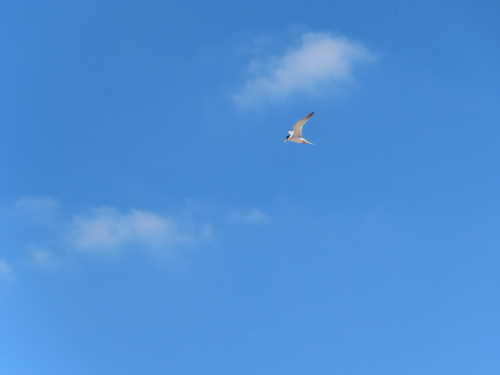 trinta-réis-miúdo
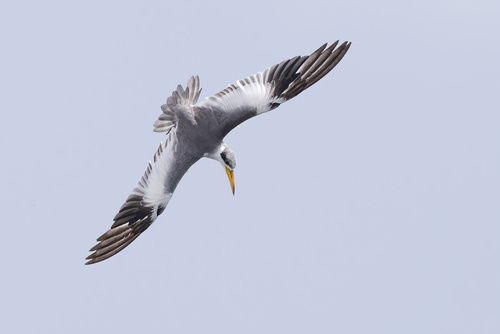 trinta-réis-grande
Em resumo
A marca de campo mais confiável entre o trinta-réis-miúdo e o trinta-réis-grande é o tamanho geral e a estrutura do bico: o trinta-réis-grande é muito maior e tem um bico amarelo longo e espesso, enquanto o trinta-réis-miúdo é pequeno e tem um bico muito mais fino. Em voo ou em repouso, o trinta-réis-miúdo apresenta uma aparência compacta e delicada e um estilo de voo com postura corcunda e flutuante, enquanto o trinta-réis-grande é robusto e de bico pesado. A plumagem adulta é superficialmente semelhante—ambos têm bonés pretos e partes inferiores brancas—mas as partes superiores do trinta-réis-miúdo são mais claras e sua cauda e rabo são cinzas, não brancos. Padrões de asas juvenis e imaturos não são descritos para nenhum dos dois, então confie no tamanho, estrutura e bico. Ambas as espécies têm pernas amarelas e cabeças preto e brancas, mas as diferenças no bico e no tamanho são inconfundíveis a qualquer distância.
Dicas de identificação
- O tamanho é o separador mais rápido: o trinta-réis-grande é quase duas vezes o comprimento e várias vezes a massa do trinta-réis-miúdo. Se o pássaro parecer pequeno e delicado, não é um trinta-réis-grande.
- A estrutura do bico é diagnóstica: o trinta-réis-miúdo tem um bico amarelo fino e esbelto (com uma pequena ponta preta no verão, todo escuro no inverno); o bico do trinta-réis-grande é grosso, longo e totalmente amarelo—quase semelhante ao de uma gaivota em proporção.
- Estilo de voo/jizz: o trinta-réis-miúdo voa com batidas de asa rápidas e abruptas e uma postura corcunda, muitas vezes com o bico inclinado para baixo. O trinta-réis-grande, sendo muito maior e mais pesado, parecerá mais estável e robusto em voo.
- Cor das partes superiores: o trinta-réis-miúdo é cinza mais claro acima; o trinta-réis-grande é um cinza médio mais escuro. Isso é sutil, mas visível em boa luz.
- Cor da cauda e do rabo: o trinta-réis-miúdo tem um rabo e cauda cinzas (não brancos), enquanto a cauda e o rabo do trinta-réis-grande são brancos. Isso pode ser uma marca sutil, mas útil, especialmente em voo.
- Marcas nas asas: o trinta-réis-miúdo apresenta marcas pretas nas primárias externas; as asas do trinta-réis-grande são cinzas acima, sem menção de marcas pretas nas primárias.
- Cor das pernas: ambas as espécies têm pernas amareladas, então isso não é útil para separação.
- Padrão da cabeça: ambos têm um boné preto e uma testa branca na plumagem de reprodução, mas a mancha branca do trinta-réis-miúdo é menor e mais bem definida. Na não-reprodução, ambos têm uma coroa mais clara e uma testa branca mais extensa.
- Cor do bico na não-reprodução: o bico do trinta-réis-miúdo torna-se todo escuro (escurinho) no inverno, enquanto o bico do trinta-réis-grande permanece amarelo.
- Contexto do habitat: o trinta-réis-miúdo é costeiro ou próximo da costa, nidificando em praias e forrageando em estuários/lagoas; o trinta-réis-grande é encontrado em rios e lagos interiores na América do Sul. Se você estiver longe da costa, é improvável encontrar o trinta-réis-miúdo.
- Distribuição geográfica: o trinta-réis-miúdo é um nidificante da América do Norte, o trinta-réis-grande é sul-americano (a leste dos Andes). A sobreposição é rara e apenas como vagantes.
- Comportamento de pouso/nidificação: o trinta-réis-miúdo nidifica abertamente em praias; o trinta-réis-grande prefere bancos de areia e ilhas fluviais.
- Vocalização: se ouvido, o chamado do trinta-réis-miúdo é um piado distinto, mas a voz do trinta-réis-grande não é descrita—portanto, isso é útil apenas para confirmar o trinta-réis-miúdo.
- Bandos mistos: se visto em um grupo, o trinta-réis-miúdo será ofuscado por qualquer trinta-réis-grande presente.
- Sem pistas de padrões de asas juvenis/imaturos: como os padrões de voo juvenis de nenhuma das espécies são descritos, não confie no padrão de asas para jovens pássaros—use tamanho e bico.
Tamanho
O trinta-réis-grande é dramaticamente maior: cerca de 38 cm de comprimento e pesando cerca de 235 g [wikidata], em comparação com os 22–24 cm e 39–52 g [wikipedia] do trinta-réis-miúdo. No campo, isso significa que o trinta-réis-grande é quase duas vezes mais longo e várias vezes mais pesado. A diferença é óbvia mesmo à distância ou em bandos mistos de trinta-réis. O trinta-réis-miúdo é o menor trinta-réis da América do Norte, enquanto o trinta-réis-grande é robusto e pesado para um trinta-réis.
Plumagem
- Padrão de asas juvenis/imaturos: Não descrito para nenhuma das espécies nas fontes, então não há marcas de voo específicas para idade disponíveis para separação.
- Reprodução adulta: Ambas as espécies têm bonés pretos, partes inferiores brancas e partes superiores cinzas. As partes superiores do trinta-réis-miúdo são cinzas mais claras, e seu rabo e cauda são cinzas (não brancos como no chilreta do Velho Mundo). O trinta-réis-grande tem partes superiores cinzas e uma cauda e rabo brancos. Ambas têm pernas amarelas e uma mancha branca na testa na plumagem de reprodução, mas a do trinta-réis-miúdo é menor e mais bem definida.
- Não-reprodução: Ambas as espécies mostram uma coroa mais clara e uma testa branca mais extensa, com um boné preto menos bem definido. O bico do trinta-réis-miúdo torna-se escuro (escurinho) no inverno, enquanto o trinta-réis-grande mantém um grande bico amarelo durante todo o ano.
- Bico: O trinta-réis-miúdo tem um bico amarelo esbelto com uma pequena ponta preta no verão; o bico do trinta-réis-grande é muito mais grosso, longo e totalmente amarelo (sem menção de ponta preta).
- Asas: O trinta-réis-miúdo tem asas cinzas claras com marcas pretas nas primárias mais externas; as asas do trinta-réis-grande são cinzas acima, com partes inferiores brancas e sem menção de marcas pretas nas primárias.
Comportamento
O trinta-réis-miúdo é ágil, com batidas de asa rápidas e abruptas e uma postura de voo corcunda distinta—muitas vezes com o bico ligeiramente inclinado para baixo. Ele paira e mergulha para pequenos peixes, raramente submergindo completamente. O trinta-réis-grande é mais volumoso e provavelmente voa com batidas de asa mais estáveis e poderosas, mas o estilo de voo detalhado não é descrito. O trinta-réis-miúdo frequentemente pousa e nidifica em solo aberto, enquanto o trinta-réis-grande está associado a bancos de areia fluviais e lagos de água doce.
Habitat
O trinta-réis-miúdo nidifica em praias abertas de areia ou cascalho, estuários e lagoas na América do Norte e localmente no norte da América do Sul. Ele forrageia em estuários rasos, lagoas e águas costeiras. O trinta-réis-grande é encontrado na maior parte da América do Sul (a leste dos Andes), habitando rios e lagos de água doce, especialmente favorecendo ilhas fluviais e bancos de areia. A sobreposição é mínima, exceto como vagantes; o contexto é uma forte pista—o trinta-réis-miúdo é costeiro ou próximo da costa, o trinta-réis-grande é estritamente interior em rios e lagos.
Voz
Nenhuma comparação vocal direta está disponível. O trinta-réis-miúdo é notado por um chamado que piado que difere dos trinta-réis do Velho Mundo; a voz do trinta-réis-grande não é descrita nas fontes.
trinta-réis-miúdo · trinta-réis-grande · Minhas aves difíceis