

leaden flycatcher vs restless flycatcher
Myiagra rubecula versus Myiagra inquieta
Jogue um quiz com leaden flycatcher e restless flycatcher
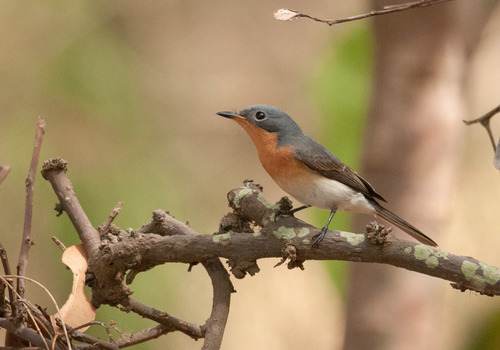 leaden flycatcher
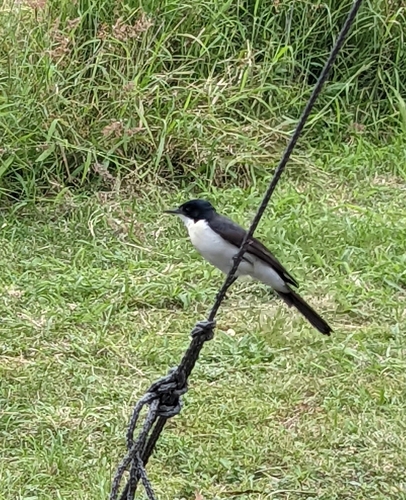 restless flycatcher
Em resumo
A marca de campo mais confiável entre o Leaden Flycatcher e o Restless Flycatcher é a cor da garganta e do peito: os machos adultos do Leaden Flycatcher apresentam uma cabeça e costas azul-acinzentadas lustrosas com uma garganta e partes inferiores brancas puras, enquanto os Restless Flycatchers adultos têm uma crista azul escura brilhante, costas cinza-azul e também partes inferiores brancas, mas não apresentam nenhuma coloração ruiva ou laranja na garganta. As fêmeas do Leaden Flycatcher são distintas com sua garganta e peito laranja-tan (ruivo), uma característica que nunca é mostrada pelo Restless. Os juvenis do Leaden Flycatcher se assemelham às fêmeas, mas têm bordas de asas mais claras, enquanto os juvenis do Restless não são descritos como tendo essa característica. O tamanho e a estrutura também ajudam: o Restless é visivelmente maior e mais longo. Ambas as espécies podem ser ativas e ágeis, mas o Restless frequentemente paira de uma maneira distinta. Se você ver um flycatcher com uma garganta ruiva, é uma fêmea ou juvenil do Leaden; se a garganta for branca e o pássaro for grande e esguio, é provavelmente um Restless.
Dicas de identificação
- Cor da garganta e do peito (todas as idades/sexos): As fêmeas e juvenis do Leaden Flycatcher têm uma garganta e peito ruivos (laranja-tan), uma característica que nunca é mostrada pelo Restless Flycatcher de qualquer idade ou sexo.
- Plumagem do macho adulto: O macho do Leaden é azul-acinzentado lustroso por cima, com uma garganta e partes inferiores brancas puras. O macho do Restless é azul escuro brilhante na crista e cinza-azul nas costas, com partes inferiores brancas, mas nunca ruivas na garganta.
- Bordas de asas juvenis: Os juvenis do Leaden Flycatcher mostram bordas de asas mais claras, especialmente visíveis em plumagem fresca; os juvenis do Restless não têm essa característica.
- Tamanho e estrutura: O Restless Flycatcher é maior (20 cm, 17 g) e mais longo do que o Leaden (15 cm, 14 g). No campo, o Restless frequentemente parece mais esguio e mais alongado.
- Bico e pernas: Ambas as espécies têm bicos e pernas escuros; isso não é um separador útil.
- Comportamento de pairar: O Restless Flycatcher frequentemente paira com a cabeça e a cauda apontadas para baixo enquanto forrageia, um comportamento raramente visto no Leaden.
- Cor das asas: As asas do Leaden Flycatcher têm um tom acastanhado; as asas do Restless não são descritas como tendo esse tom.
- Partes inferiores: Ambas têm barrigas brancas, mas apenas o Leaden (fêmea/juvenil) mostra ruivo na parte superior do peito.
- Vocalização: O Restless Flycatcher dá um chamado mecânico distinto de "moedor de lâmina"; o chamado do Leaden é gutural, mas não tão marcante ou único.
- Habitat: O Leaden prefere bordas de floresta, manguezais e arbustos costeiros; o Restless é mais comum em florestas abertas, terras agrícolas e, às vezes, parques urbanos.
- Distribuição: Ambas ocorrem no leste da Austrália, mas o Leaden é mais provável no norte e leste, enquanto o Restless é mais comum no sul e leste.
- Postura empoleirada: O Leaden frequentemente parece mais compacto e ereto; o Restless é mais longo e pode parecer mais esguio.
- Diferenças sexuais: Apenas o Leaden mostra um forte dimorfismo sexual (fêmea com garganta e peito ruivos); os sexos do Restless são semelhantes.
- Armadilhas: O Leaden imaturo pode ser confundido com o Restless se a garganta ruiva for ignorada; sempre verifique as bordas de asas claras em juvenis e ruivo na garganta em fêmeas/imaturos.
- Quando em dúvida: Se o pássaro estiver pairando e emitindo um chamado de moagem, é um Restless; se estiver empoleirado com uma garganta ruiva, é um Leaden.
Tamanho
O Restless Flycatcher é maior e mais pesado, com uma média de cerca de 20 cm de comprimento e 17 g de massa, em comparação com os 15 cm e 14 g do Leaden Flycatcher. No campo, o Restless parece ter um corpo mais longo e robusto, enquanto o Leaden é mais compacto. Essa diferença de tamanho é frequentemente aparente quando ambos são vistos em rápida sucessão ou lado a lado, mas pode ser sutil se apenas um pássaro estiver presente e nenhuma comparação direta for possível.
Plumagem
-
Juvenis: Os juvenis do Leaden Flycatcher se assemelham a fêmeas adultas, mostrando uma cabeça e costas cinza-leaden com uma garganta e peito ruivos (laranja-tan), além de bordas de asas mais claras. Essa borda clara é uma marca útil para os jovens Leaden, especialmente em voo ou em repouso. Os juvenis do Restless Flycatcher não são descritos como tendo ruivo na garganta ou bordas de asas claras, então um jovem pássaro com essas características é um Leaden.
-
Machos adultos: Os machos do Leaden são cinza-leaden lustroso (quase azul) na cabeça e costas, com uma garganta, peito e barriga brancos. Os machos do Restless têm uma crista azul escura brilhante, costas cinza-azul e partes inferiores brancas, mas nunca mostram ruivo na garganta ou peito. Ambos têm bicos e pernas escuros.
-
Fêmeas adultas: As fêmeas do Leaden Flycatcher são diagnósticas com sua garganta e peito laranja-tan (ruivo), contrastando com uma cabeça e costas cinza-leaden e uma barriga branca. As fêmeas do Restless Flycatcher (e machos) sempre têm uma garganta e partes inferiores brancas, nunca ruivas ou laranjas.
-
Asas: As asas do Leaden Flycatcher têm um tom acastanhado; os juvenis mostram bordas de asas mais claras. As asas do Restless não são descritas como tendo esse tom ou borda clara.
-
Partes inferiores: Ambas as espécies têm barrigas brancas, mas apenas o Leaden (fêmea/juvenil) mostra ruivo na parte superior do peito.
Comportamento
Ambas as espécies são ativas, ágeis e se alimentam de insetos saltando de poleiros. No entanto, o Restless Flycatcher é especialmente notado por seu comportamento de pairar, frequentemente pendurado no ar com a cabeça e a cauda apontadas para baixo enquanto captura insetos da folhagem. O Leaden Flycatcher é mais propenso a pular entre os galhos e capturar insetos em voo, mas não costuma pairar da mesma maneira. O Restless também é conhecido por seu estilo de forrageio distinto e repetitivo, o que pode ajudar a separá-lo do Leaden no campo.
Habitat
O Leaden Flycatcher é encontrado em florestas esclerófilas, margens de florestas tropicais, manguezais e arbustos costeiros, principalmente no leste e norte da Austrália. O Restless Flycatcher é nativo do leste e sul da Austrália, e é mais provável em florestas abertas, terras agrícolas e, às vezes, parques urbanos. Há alguma sobreposição na distribuição, especialmente no leste da Austrália, mas o Leaden está mais ligado a habitats florestais e de borda, enquanto o Restless é mais comum em áreas abertas e florestas menos densas.
Voz
O Restless Flycatcher é famoso por seu chamado mecânico distinto de "moedor de lâmina" ou "moedor de tesoura", que é um som rápido, metálico e de moagem. Essa vocalização é única e diagnóstica quando ouvida. O Leaden Flycatcher tem um chamado gutural (às vezes chamado de 'pássaro-rã'), mas não é tão mecânico ou distinto quanto o chamado do Restless. Se você ouvir o som de "moedor de lâmina", você está quase certamente ouvindo um Restless Flycatcher.
leaden flycatcher · restless flycatcher · Minhas aves difíceis