

Leaden Flycatcher vs Restless Flycatcher
Myiagra rubecula contro Myiagra inquieta
Fai un quiz con Leaden Flycatcher e Restless Flycatcher
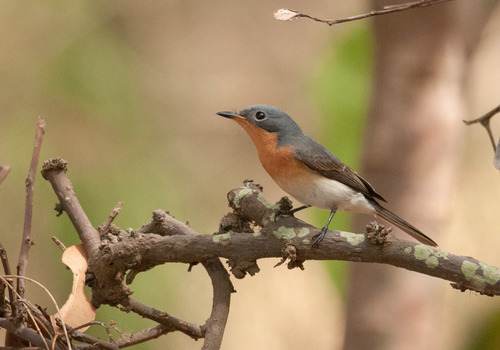 Leaden Flycatcher
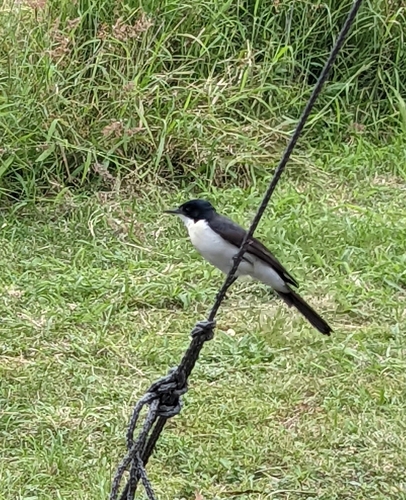 Restless Flycatcher
In breve
Il segno distintivo più affidabile tra il Leaden Flycatcher e il Restless Flycatcher è il colore della gola e del petto: i maschi adulti di Leaden Flycatcher mostrano una testa e un dorso blu-grigio lucido con una gola e parti inferiori bianche, mentre i maschi adulti di Restless Flycatcher hanno una cresta blu scuro lucido, un dorso grigio-blu e anche parti inferiori bianche, ma non presentano alcun rufous o arancione sulla gola. Le femmine di Leaden Flycatcher sono distintive con la loro gola e petto arancione-tan (rufous), una caratteristica mai mostrata da Restless. I giovani Leaden Flycatcher assomigliano alle femmine ma hanno bordi delle ali più chiari, mentre i giovani Restless non sono descritti come aventi questa caratteristica. Anche la dimensione e la struttura aiutano: Restless è notevolmente più grande e dal corpo più lungo. Entrambe le specie possono essere attive e agili, ma Restless spesso si libra in modo distintivo. Se vedi un flycatcher con una gola rufous, è una femmina o un giovane Leaden; se la gola è bianca e l'uccello è grande e snello, è probabile che sia un Restless.
Consigli di identificazione
- Colore della gola e del petto (tutte le età/sessi): Le femmine e i giovani Leaden Flycatcher hanno una gola e un petto rufous (arancione-tan), una caratteristica mai mostrata da Restless Flycatcher di qualsiasi età o sesso.
- Piumaggio dei maschi adulti: Il maschio Leaden è blu-grigio lucido sopra con una gola e parti inferiori bianche. Il maschio Restless è blu scuro lucido sulla cresta e grigio-blu sulla schiena, con parti inferiori bianche, ma non presenta mai rufous sulla gola.
- Bordi delle ali dei giovani: I giovani Leaden Flycatcher mostrano bordi delle ali più chiari, specialmente visibili nel piumaggio fresco; i giovani Restless non hanno questa caratteristica.
- Dimensione e struttura: Il Restless Flycatcher è più grande (20 cm, 17 g) e dal corpo più lungo rispetto al Leaden (15 cm, 14 g). Sul campo, il Restless spesso appare più snello e allungato.
- Becco e zampe: Entrambe le specie hanno becchi e zampe scuri; questo non è un separatore utile.
- Comportamento di volo stazionario: Il Restless Flycatcher si libra frequentemente con la testa e la coda puntate verso il basso mentre cerca cibo, un comportamento raramente visto nel Leaden.
- Colore delle ali: Le ali del Leaden Flycatcher hanno una sfumatura marrone; le ali del Restless non sono descritte in questo modo.
- Parti inferiori: Entrambi hanno ventri bianchi, ma solo il Leaden (femmina/giovane) mostra rufous sulla parte superiore del petto.
- Vocalizzazione: Il Restless Flycatcher emette un distintivo richiamo meccanico "razor grinder"; il richiamo del Leaden è gutturale ma non così sorprendente o unico.
- Habitat: Il Leaden preferisce il margine della foresta, le mangrovie e la macchia costiera; il Restless è più comune in boschi aperti, terreni agricoli e talvolta parchi urbani.
- Distribuzione: Entrambi si trovano nell'Australia orientale, ma il Leaden è più probabile nel nord e nell'est, il Restless nel sud e nell'est.
- Aspetto in perching: Il Leaden appare spesso più compatto e eretto; il Restless è più lungo e può sembrare più snello.
- Differenze sessuali: Solo il Leaden mostra un forte dimorfismo sessuale (femmina con gola/petto rufous); i sessi del Restless sono simili.
- Trappole: I giovani Leaden possono essere scambiati per Restless se la gola rufous viene trascurata; controlla sempre i bordi delle ali chiari nei giovani e il rufous sulla gola nelle femmine/immaturi.
- Quando in dubbio: Se l'uccello si libra e emette un richiamo di macinazione, è un Restless; se è posato con una gola rufous, è un Leaden.
Taglia
Il Restless Flycatcher è più grande e più pesante, con una lunghezza media di circa 20 cm e una massa di 17 g, rispetto ai 15 cm e 14 g del Leaden Flycatcher. Sul campo, il Restless appare con un corpo più lungo e robusto, mentre il Leaden è più compatto. Questa differenza di dimensione è spesso evidente quando entrambi sono visti in rapida successione o fianco a fianco, ma può essere sottile se è presente solo un uccello e non è possibile un confronto diretto.
Piumaggio
-
Giovani: I giovani Leaden Flycatcher assomigliano alle femmine adulte, mostrando una testa e un dorso grigio piombo con una gola e un petto rufous (arancione-tan), oltre a bordi delle ali più chiari. Questo bordo chiaro è un segno utile per i giovani Leaden, specialmente in volo o a riposo. I giovani Restless Flycatchers non sono descritti come aventi rufous sulla gola o bordi delle ali chiari, quindi un giovane uccello con queste caratteristiche è un Leaden.
-
Maschi adulti: I maschi Leaden sono di un grigio piombo lucido (quasi blu) sulla testa e sul dorso, con una gola, un petto e un ventre bianchi. I maschi Restless hanno una cresta blu scuro lucido, un dorso grigio-blu e parti inferiori bianche, ma non mostrano mai rufous sulla gola o sul petto. Entrambi hanno becchi e zampe scuri.
-
Femmine adulte: Le femmine di Leaden Flycatcher sono diagnostiche con la loro gola e petto arancione-tan (rufous), in contrasto con una testa e un dorso grigio piombo e un ventre bianco. Le femmine di Restless Flycatcher (e i maschi) hanno sempre una gola e parti inferiori bianche, mai rufous o arancione.
-
Ali: Le ali del Leaden Flycatcher hanno una sfumatura marrone; i giovani mostrano bordi delle ali più chiari. Le ali del Restless non sono descritte come aventi questa sfumatura o bordo chiaro.
-
Parti inferiori: Entrambe le specie hanno ventri bianchi, ma solo il Leaden (femmina/giovane) mostra rufous sulla parte superiore del petto.
Comportamento
Entrambe le specie sono attive, agili e si nutrono di insetti saltando da posatoi. Tuttavia, il Restless Flycatcher è particolarmente noto per il suo comportamento di volo stazionario, spesso rimanendo sospeso in aria con la testa e la coda puntate verso il basso mentre raccoglie insetti dalla vegetazione. Il Leaden Flycatcher è più propenso a saltare tra i rami e catturare insetti in volo, ma non si libra tipicamente nello stesso modo. Il Restless è anche noto per il suo stile di foraggiamento distintivo e ripetitivo, che può aiutare a separarlo dal Leaden sul campo.
Habitat
Il Leaden Flycatcher si trova in foreste sclerofille, margini di foreste pluviali, mangrovie e macchia costiera, principalmente nell'Australia orientale e settentrionale. Il Restless Flycatcher è nativo dell'Australia orientale e meridionale ed è più probabile trovarlo in boschi aperti, terreni agricoli e talvolta parchi urbani. C'è una certa sovrapposizione nell'areale, specialmente nell'Australia orientale, ma il Leaden è più legato a habitat forestali e di margine, mentre il Restless è più comune in campagna aperta e boschi meno densi.
Voce
Il Restless Flycatcher è famoso per il suo distintivo richiamo meccanico "razor grinder" o "scissors grinder", che è un suono rapido, metallico e macinante. Questa vocalizzazione è unica e diagnostica quando viene udita. Il Leaden Flycatcher ha un richiamo gutturale (a volte chiamato 'frogbird'), ma non è così meccanico o distintivo come il richiamo del Restless. Se senti il suono "razor grinder", stai quasi certamente ascoltando un Restless Flycatcher.
Leaden Flycatcher · Restless Flycatcher · I miei uccelli difficili