

japanese night heron vs chinese pond-heron
Gorsachius goisagi versus Ardeola bacchus
Jogue um quiz com japanese night heron e chinese pond-heron
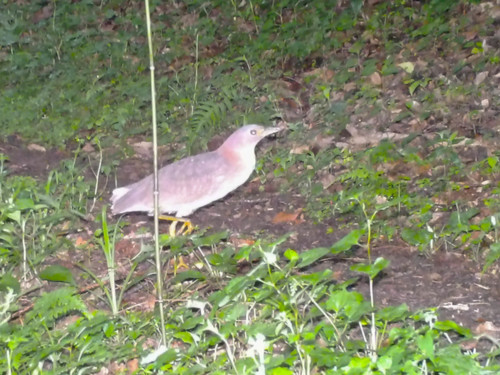 japanese night heron
 chinese pond-heron
Em resumo
A marca de campo mais confiável para separar o japanese night heron do chinese pond-heron é o padrão da asa superior e a coloração geral: o japanese night heron (especialmente os adultos) apresenta asas marrom-escuras com linhas pretas densas e irregulares nas coberturas das asas, enquanto o chinese pond-heron em plumagem não reprodutiva tem asas marrom-acinzentadas e salpicadas, e em plumagem reprodutiva, asas brancas marcantes contrastando com um corpo vermelho, azul e branco. Os juvenis de japanese night heron têm asas mais claras que os adultos, mas ainda mostram as distintas linhas pretas, enquanto os juvenis de chinese pond-heron são mais uniformemente salpicados de marrom e branco. Estruturalmente, o japanese night heron é mais robusto, com um bico mais grosso, e sua cabeça e pescoço ruivos (adulto) contrastam com o chinese pond-heron mais colorido na reprodução. Ambas as espécies podem ser encontradas na Ásia Oriental, mas o japanese night heron é muito mais reservado e associado a florestas, enquanto o chinese pond-heron é comum em wetlands abertas.
Dicas de identificação
- Padrão da cobertura da asa superior (todas as idades): O japanese night heron mostra linhas pretas densas e irregulares nas coberturas das asas, visíveis em repouso e especialmente em voo. O chinese pond-heron nunca mostra esse padrão—suas asas são ou completamente brancas (reprodução) ou salpicadas de marrom e branco (não-reprodução/juvenil).
- Confusão juvenil: O juvenil de japanese night heron tem uma cabeça escura e asas marrom mais claras, mas ainda mostra as linhas de cobertura pretas. O juvenil de chinese pond-heron é marrom e salpicado, sem linhas pretas nas coberturas das asas.
- Cor da cabeça e pescoço do adulto: O adulto de japanese night heron tem uma cabeça e pescoço ruivos (marrom-avermelhado), contrastando com suas asas marrom-escuras. O chinese pond-heron em plumagem reprodutiva tem um corpo vermelho, azul e branco marcante, com uma aparência muito mais brilhante e contrastante.
- Estrutura do bico: O japanese night heron tem um bico notavelmente mais grosso e pesado, adaptado para escavar no solo. O bico do chinese pond-heron é mais fino, com uma base amarela e ponta preta.
- Cor dos olhos: Ambas as espécies têm olhos amarelos, então isso não é um separador útil.
- Cor das pernas: Ambas têm pernas amarelas, não sendo um separador forte.
- Aparência em voo: Em voo, o chinese pond-heron mostra asas largas e completamente brancas (especialmente em plumagem reprodutiva) contrastando com seu corpo colorido. O japanese night heron aparece mais escuro no geral, sem branco nas asas e com uma aparência mais compacta e robusta.
- Comportamento de forrageio: O japanese night heron é reservado, alimentando-se ao crepúsculo ou em cobertura densa, muitas vezes no chão da floresta. O chinese pond-heron é muito mais provável de ser visto se alimentando abertamente em wetlands durante o dia.
- Habitat: Se visto em floresta densa ou bosque, o japanese night heron é muito mais provável. Em wetlands abertas, arrozais ou lagoas, o chinese pond-heron é o padrão.
- Contexto sazonal: O japanese night heron se reproduz no Japão e é um migrante raro em outros lugares; o chinese pond-heron é amplamente distribuído e comum em wetlands da Ásia Oriental.
- Tamanho do grupo: O japanese night heron é geralmente solitário ou em grupos muito pequenos; o chinese pond-heron frequentemente nidifica e se alimenta em colônias mistas de garças.
- Armadilhas de plumagem: O chinese pond-heron não reprodutivo pode parecer opaco e marrom, mas não possui as linhas de cobertura pretas do japanese night heron. Cuidado com vistas distantes onde o padrão de cobertura não é visível—use a estrutura e o habitat como respaldo.
- Uso do bico: O japanese night heron pode ser visto sondando o solo em busca de minhocas ou caracóis, um comportamento menos típico do chinese pond-heron.
- Vagância: Ambas as espécies podem vagar, mas o chinese pond-heron é muito mais provável de aparecer em locais inesperados de wetlands abertas.
- Voz: Não é diagnóstico a partir das notas disponíveis.
Tamanho
Ambas as espécies são semelhantes em comprimento, com o chinese pond-heron tipicamente medindo cerca de 47 cm de comprimento [wikipedia], e o japanese night heron tendo uma envergadura de 43–47 cm [wikipedia]. Não há uma diferença de tamanho forte no campo, mas o japanese night heron pode parecer mais robusto e compacto devido ao seu pescoço mais curto e bico mais grosso.
Plumagem
Os juvenis de japanese night heron têm penas da cabeça escuras e asas marrom mais claras que os adultos, mas ambas as idades mostram linhas pretas densas e irregulares descendo pelas coberturas das asas—uma característica única e diagnóstica. Os adultos têm uma cabeça e pescoço ruivos com asas marrom-escuras. Em contraste, o chinese pond-heron em plumagem reprodutiva é inconfundível: o corpo é uma mistura de vermelho, azul e branco, com asas completamente brancas. Fora da reprodução, o chinese pond-heron é marrom-acinzentado no geral, salpicado de branco, e as asas são brancas (em voo), mas não apresentam padrão com linhas pretas. Os juvenis de chinese pond-heron são marrons e salpicados, sem as fortes marcas de cobertura do japanese night heron. Ambas as espécies têm olhos amarelos e um bico com base amarela, mas o bico do japanese night heron é mais grosso.
Comportamento
O japanese night heron é tipicamente solitário ou em pequenos grupos, alimentando-se ao crepúsculo e raramente aventurando-se em áreas abertas. Ele forrageia principalmente no chão da floresta em busca de minhocas, caracóis e insetos, às vezes sondando com seu bico grosso. O chinese pond-heron é muito mais provável de ser visto em wetlands abertas, muitas vezes em colônias mistas de garças, e é menos reservado, alimentando-se durante o dia de insetos, peixes e crustáceos. Em voo, o chinese pond-heron mostra asas largas e brancas, enquanto o japanese night heron aparece mais escuro e mais compacto.
Habitat
O japanese night heron é um especialista em florestas, reproduzindo-se em áreas arborizadas no Japão e hibernando em florestas do Sudeste Asiático. Ele raramente é visto em áreas abertas e prefere cobertura densa. O chinese pond-heron é uma ave clássica de wetlands, encontrada em wetlands de água doce e salobra, arrozais e lagoas em toda a Ásia Oriental. É comum em áreas baixas e habitats abertos, e muito menos ligado à floresta do que o japanese night heron.
japanese night heron · chinese pond-heron · Minhas aves difíceis