

Motmot

ミゾゴイ 対 アカガシラサギ

Gorsachius goisagi 対 Ardeola bacchus

ミゾゴイとアカガシラサギのクイズ
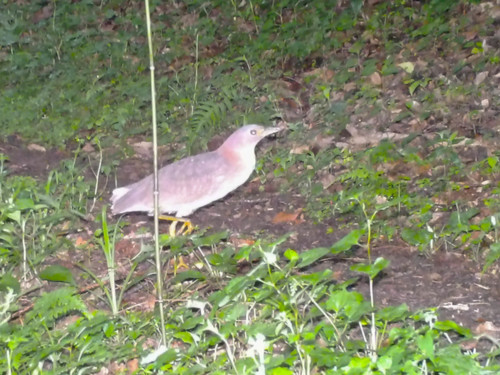
ミゾゴイ (Gorsachius goisagi) ミゾゴイ
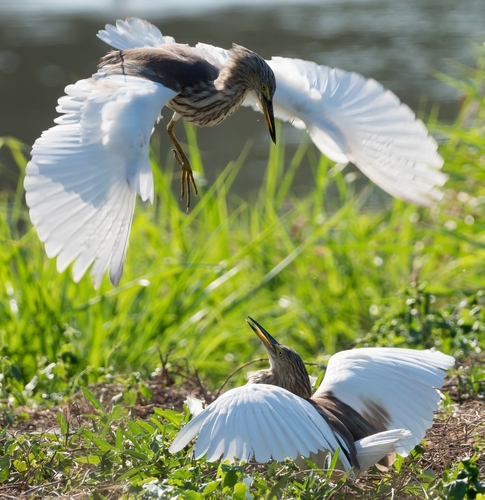
アカガシラサギ (Ardeola bacchus) アカガシラサギ

メディア

読み込み中…

要点

日本ミゾゴイとアカガシラサギを区別する最も信頼できるフィールドマークは、上翼のパターンと全体的な色合いです:日本ミゾゴイ(特に成鳥)は、翼の覆羽に密で不規則な黒い線がある暗褐色の翼を示し、アカガシラサギは非繁殖羽衣では灰褐色の斑点のある翼を持ち、繁殖羽衣では赤、青、白の体に対して際立った白い翼を持ちます。幼鳥の日本ミゾゴイは成鳥よりも翼が淡いですが、依然として特徴的な黒い線を示し、幼鳥のアカガシラサギはより均一に斑点のある茶色と白です。構造的には、日本ミゾゴイはより頑丈で、より太いくちばしを持ち、成鳥の赤褐色の頭と首は繁殖期のアカガシラサギのより鮮やかな色合いと対照的です。両種は東アジアに生息していますが、日本ミゾゴイははるかに秘密主義で森林に関連し、アカガシラサギは開けた湿地に一般的です。

識別のコツ

  1. Upperwing covert pattern (all ages): 日本ミゾゴイは翼の覆羽に密で不規則な黒い線を示し、静止時や特に飛行時に見えます。アカガシラサギはこのパターンを示すことはなく、翼は繁殖期には純白(繁殖)または斑点のある茶色と白(非繁殖/幼鳥)です。
  2. Juvenile confusion: 幼鳥の日本ミゾゴイは黒っぽい頭と淡い茶色の翼を持ちますが、依然として黒い覆羽の線を示します。幼鳥のアカガシラサギは茶色っぽく斑点があり、翼の覆羽に黒い線はありません。
  3. Adult head and neck color: 成鳥の日本ミゾゴイは赤褐色の頭と首を持ち、暗褐色の翼と対照的です。繁殖羽衣のアカガシラサギは、際立った赤、青、白の体を持ち、はるかに明るく、鮮やかな対比を示します。
  4. Bill structure: 日本ミゾゴイは土を掘るために適応した明らかに太く重いくちばしを持っています。アカガシラサギのくちばしは細く、黄色い基部と黒い先端を持ちます。
  5. Eye color: 両種とも黄色い目を持っているため、これは有用な区別ではありません。
  6. Leg color: 両方とも黄色い脚を持ち、強い区別にはなりません。
  7. Flight appearance: 飛行中、アカガシラサギは広く純白の翼を示し(特に繁殖羽衣で)、色のついた体と対照的です。日本ミゾゴイは全体的に暗く、翼に白がなく、よりコンパクトで頑丈な印象を与えます。
  8. Foraging behavior: 日本ミゾゴイは秘密主義で、薄暮や密なカバーの中で、しばしば森林の床で餌を探します。アカガシラサギは、日中に湿地でオープンに餌を探しているのが見られる可能性が高いです。
  9. Habitat: 密な森林や林地で見られた場合、日本ミゾゴイの可能性がはるかに高いです。開けた湿地、田んぼ、または池では、アカガシラサギがデフォルトです。
  10. Seasonal context: 日本ミゾゴイは日本で繁殖し、他の場所では珍しい移動鳥です;アカガシラサギは広範囲にわたり、東アジアの湿地で一般的です。
  11. Group size: 日本ミゾゴイは通常孤独または非常に小さな群れで見られます;アカガシラサギはしばしば混合のサギのコロニーで巣を作り、餌を探します。
  12. Plumage pitfalls: 非繁殖のアカガシラサギは鈍く茶色っぽく見えることがありますが、日本ミゾゴイの黒い覆羽の線はありません。覆羽のパターンが見えない遠くからの視界には注意が必要です—構造と生息地をバックアップとして使用してください。
  13. Bill use: 日本ミゾゴイはミミズやカタツムリを探る姿が見られることがありますが、これはアカガシラサギにはあまり典型的ではありません。
  14. Vagrancy: 両種とも迷子になることがありますが、アカガシラサギは予期しない開けた湿地で見つかる可能性がはるかに高いです。
  15. Voice: 利用可能なメモからは診断的ではありません。

大きさ

両種は長さが似ており、アカガシラサギは通常約47 cmの長さで、日本ミゾゴイは翼幅が43–47 cmです [wikipedia]。フィールドでは強いサイズの違いはありませんが、日本ミゾゴイは首が短く、くちばしが太いため、より頑丈でコンパクトに見えることがあります。

羽色

幼鳥の日本ミゾゴイは黒っぽい頭の羽毛と成鳥よりも淡い茶色の翼を持ちますが、両年齢とも翼の覆羽に密で不規則な黒い線が走っており、これはユニークで診断的な特徴です。成鳥は赤褐色の頭と首を持ち、暗褐色の翼を持っています。それに対して、繁殖羽衣のアカガシラサギは明確で、体は赤、青、白の混合で、純白の翼を持っています。繁殖外では、アカガシラサギは全体的に灰褐色で、白い斑点があり、翼は白(飛行中)ですが、黒い線のパターンはありません。幼鳥のアカガシラサギは茶色っぽく斑点があり、日本ミゾゴイの強い覆羽のマーキングが欠けています。両種とも黄色い目と黄色い基部のくちばしを持っていますが、日本ミゾゴイのくちばしは太いです。

行動

日本ミゾゴイは通常孤独または小さな群れで見られ、薄暮に餌を探し、オープンに出ることはほとんどありません。主に森林の床でミミズ、カタツムリ、昆虫を探し、時には太いくちばしで探ります。アカガシラサギは開けた湿地で見られる可能性が高く、しばしば混合のサギのコロニーで見られ、昼間に昆虫、魚、甲殻類を食べるため、あまり秘密主義ではありません。飛行中、アカガシラサギは広い白い翼を示し、日本ミゾゴイはより暗く、よりコンパクトに見えます。

生息環境

日本ミゾゴイは森林の専門家で、日本の森林地域で繁殖し、東南アジアの森林で越冬します。開けた国ではほとんど見られず、密なカバーを好みます。アカガシラサギは典型的な湿地の鳥で、東アジアの浅い淡水および塩水の湿地、田んぼ、池に生息しています。低地や開けた生息地で一般的で、日本ミゾゴイよりも森林に結びついていることは少ないです。

より良い説明を送る

比較と同じ項目を使ってください。文章はすぐに公開されます。

The most reliable field mark to separate Japanese Night Heron from Chinese Pond Heron is the upperwing pattern and overall coloration: Japanese Night Heron (especially adults) shows dark-brown wings with dense, irregular black lines on the wing coverts, while Chinese Pond Heron in non-breeding plumage has greyish-brown, flecked wings, and in breeding plumage, striking white wings contrasting with a red, blue, and white body. Juvenile Japanese Night Herons have paler wings than adults but still show the distinctive black lines, while juvenile Chinese Pond Herons are more uniformly flecked brown and white. Structurally, Japanese Night Heron is stockier with a thicker bill, and its russet head and neck (adult) contrast with the more sharply colored Chinese Pond Heron in breeding. Both species can be found in East Asia, but Japanese Night Heron is much more secretive and forest-associated, while Chinese Pond Heron is common in open wetlands.

  1. Upperwing covert pattern (all ages): Japanese Night Heron shows dense, irregular black lines on the wing coverts, visible at rest and especially in flight. Chinese Pond Heron never shows this pattern—its wings are either pure white (breeding) or flecked brown and white (non-breeding/juvenile).
  2. Juvenile confusion: Juvenile Japanese Night Heron has a blackish head and paler brown wings, but still shows the black covert lines. Juvenile Chinese Pond Heron is brownish and flecked, lacking any black lines on the wing coverts.
  3. Adult head and neck color: Adult Japanese Night Heron has a russet (reddish-brown) head and neck, contrasting with its dark-brown wings. Chinese Pond Heron in breeding plumage has a striking red, blue, and white body, with a much brighter and more sharply contrasting appearance.
  4. Bill structure: Japanese Night Heron has a noticeably thicker, heavier bill, adapted for digging in soil. Chinese Pond Heron's bill is slimmer, with a yellow base and black tip.
  5. Eye color: Both species have yellow eyes, so this is not a useful separator.
  6. Leg color: Both have yellow legs, not a strong separator.
  7. Flight appearance: In flight, Chinese Pond Heron shows broad, pure white wings (especially in breeding plumage) contrasting with its colored body. Japanese Night Heron appears darker overall, with no white on the wings and a more compact, stocky jizz.
  8. Foraging behavior: Japanese Night Heron is secretive, feeding at dusk or in dense cover, often on the forest floor. Chinese Pond Heron is much more likely to be seen feeding openly in wetlands during the day.
  9. Habitat: If seen in dense forest or woodland, Japanese Night Heron is far more likely. In open wetlands, rice paddies, or ponds, Chinese Pond Heron is the default.
  10. Seasonal context: Japanese Night Heron breeds in Japan and is a rare migrant elsewhere; Chinese Pond Heron is widespread and common in East Asian wetlands.
  11. Group size: Japanese Night Heron is usually solitary or in very small groups; Chinese Pond Heron often nests and feeds in mixed heronries.
  12. Plumage pitfalls: Non-breeding Chinese Pond Heron can look dull and brownish, but lacks the black covert lines of Japanese Night Heron. Beware of distant views where covert pattern is not visible—use structure and habitat as backup.
  13. Bill use: Japanese Night Heron may be seen probing soil for earthworms or snails, a behavior less typical of Chinese Pond Heron.
  14. Vagrancy: Both species can wander, but Chinese Pond Heron is much more likely to turn up in unexpected open wetland sites.
  15. Voice: Not diagnostic from available notes.

Both species are similar in length, with Chinese Pond Heron typically around 47 cm long [wikipedia], and Japanese Night Heron having a wingspan of 43–47 cm [wikipedia]. There is no strong size difference in the field, but Japanese Night Heron may appear stockier and more compact due to its shorter neck and thicker bill.

Juvenile Japanese Night Herons have blackish head feathers and paler brown wings than adults, but both ages show dense, irregular black lines running down the wing coverts—a unique and diagnostic feature. Adults have a russet head and neck with dark-brown wings. In contrast, Chinese Pond Heron in breeding plumage is unmistakable: the body is a mix of red, blue, and white, with pure white wings. Outside breeding, Chinese Pond Heron is greyish-brown overall, flecked with white, and the wings are white (in flight) but not patterned with black lines. Juvenile Chinese Pond Herons are brownish and flecked, lacking the strong covert markings of Japanese Night Heron. Both species have yellow eyes and a yellow-based bill, but Japanese Night Heron's bill is thicker.

Japanese Night Heron is typically solitary or in small groups, feeding at dusk and rarely venturing into the open. It forages mainly on the forest floor for earthworms, snails, and insects, sometimes probing with its thick bill. Chinese Pond Heron is much more likely to be seen in open wetlands, often in mixed heronries, and is less secretive, feeding in daylight on insects, fish, and crustaceans. In flight, Chinese Pond Heron shows broad white wings, while Japanese Night Heron appears darker and more compact.

Japanese Night Heron is a forest specialist, breeding in wooded areas in Japan and wintering in Southeast Asian forests. It is rarely seen in open country and prefers dense cover. Chinese Pond Heron is a classic wetland bird, found in shallow freshwater and saltwater wetlands, rice paddies, and ponds across East Asia. It is common in lowlands and open habitats, and much less tied to forest than Japanese Night Heron.

変更を破棄しますか?

保存していない編集があります。今離れると失われます。

ミゾゴイ · アカガシラサギ · 苦手な鳥