

pardal-italiano vs pardal-espanhol
Passer italiae versus Passer hispaniolensis
Jogue um quiz com pardal-italiano e pardal-espanhol
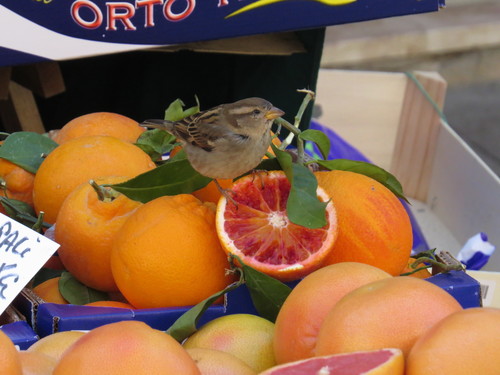 pardal-italiano
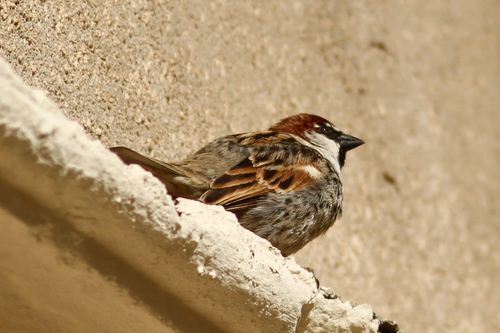 pardal-espanhol
Em resumo
A marca de campo mais confiável entre o pardal-italiano e o pardal-espanhol é a presença ou ausência de listras pretas ousadas nas partes inferiores dos machos adultos: os machos do pardal-espanhol têm listras pretas pesadas nos flancos e na barriga, enquanto os machos do pardal-italiano têm partes inferiores limpas e cinza claro. Ambas as espécies têm coroas castanhas e bochechas brancas nos machos, mas o pardal-italiano é intermediário em aparência e não possui as partes inferiores listradas do pardal-espanhol. As fêmeas são extremamente semelhantes e quase inseparáveis em campo, mas diferenças sutis nas listras e no padrão das costas podem ajudar. Ambas as espécies se sobrepõem em partes do Mediterrâneo, e híbridos/intermediários podem ocorrer, especialmente no sul da Itália e em ilhas próximas, então alguns indivíduos podem ser ambíguos.
Dicas de identificação
- Listras nas partes inferiores dos machos (adultos): A melhor marca de campo—os machos do pardal-espanhol têm listras pretas ousadas nos flancos e na barriga, enquanto os machos do pardal-italiano têm partes inferiores limpas e cinza claro. Use esta marca sempre que você tiver uma visão clara das partes inferiores.
- Coroa e bochechas dos machos: Ambos têm coroas castanhas e bochechas brancas, então isso não é diagnóstico entre eles. Não confie apenas na cor da coroa.
- Babador da garganta dos machos: Ambos mostram um babador preto, mas seu tamanho e intensidade são variáveis e não confiavelmente diferentes.
- Plumagem das fêmeas: As fêmeas são quase inseparáveis em campo. Ambas são cinza-acastanhadas com um supercílios pálido e costas listradas. As fêmeas do pardal-espanhol podem mostrar listras laterais um pouco mais pronunciadas e listras mais largas nas costas, mas essas são sutis e se sobrepõem.
- Plumagem juvenil/imatura: Não há separação confiável em aves jovens; ambas se assemelham a juvenis de pardal e não têm marcas distintivas nas asas ou de voo.
- Estrutura do bico: O pardal-espanhol pode mostrar um bico ligeiramente mais longo e robusto, mas essa é uma diferença menor e difícil de julgar sem comparação direta.
- Tamanho: O pardal-espanhol é um pouco maior e mais pesado, mas a sobreposição é substancial e não útil para a maioria dos encontros em campo.
- Contexto de habitat: O pardal-italiano é principalmente restrito à Itália, Córsega e regiões próximas, muitas vezes em cidades e vilarejos. O pardal-espanhol é mais amplamente distribuído no Mediterrâneo e prefere terras agrícolas e áreas abertas, mas pode ocorrer em áreas urbanas onde o pardal está ausente. Use a distribuição e o habitat como pistas de apoio, não primárias.
- Voz: Chamadas e canções são muito semelhantes e não são uma maneira confiável de separar essas espécies em campo.
- Aves híbridas/intermediárias: No sul da Itália, Sicília, Malta e algumas ilhas do Mediterrâneo, ocorrem intermediários e podem mostrar uma mistura de características. Alguns indivíduos podem não ser atribuíveis com segurança a nenhuma das espécies.
- Plumagem não reprodutiva: Os machos do pardal-italiano podem parecer mais apagados no inverno, mas a falta de listras nas partes inferiores continua sendo a marca chave. As subespécies do pardal-espanhol podem variar em tom castanho, mas sempre mostram listras nas partes inferiores.
- Composição do bando: Bandos mistos podem ocorrer em zonas de sobreposição; não assuma que todas as aves em um bando são da mesma espécie.
- Urbano vs rural: O pardal-italiano é mais provável em ambientes urbanos dentro de sua distribuição, enquanto o pardal-espanhol é mais rural, mas isso não é absoluto.
- Listras nas costas (fêmeas): As fêmeas do pardal-espanhol podem ter listras mais largas e cremosas nas costas, mas isso é sutil e nem sempre visível.
- Localização geográfica: Conhecer sua localização pode ajudar; o pardal-italiano puro é improvável fora da Itália/Córsega, e o pardal-espanhol domina na Ibéria, Norte da África e grande parte do Mediterrâneo oriental.
Tamanho
O pardal-espanhol é ligeiramente maior e mais pesado que o pardal-italiano, com um comprimento de 15–16 cm e peso de 22–36 g, em comparação com 14–16 cm e 26–30 g do pardal-italiano (variação sazonal). A diferença é sutil e geralmente não é diagnóstica em campo, mas o pardal-espanhol pode parecer um pouco mais robusto e ter um bico ligeiramente mais longo e robusto. O comprimento da cauda e das asas se sobrepõe consideravelmente.
Plumagem
- Machos adultos (reprodução): Os machos do pardal-espanhol têm uma coroa castanha, bochechas brancas e—mais distintivamente—listras pretas ousadas descendo pelos flancos e barriga. Os machos do pardal-italiano também têm uma coroa castanha e bochechas brancas, mas suas partes inferiores são um cinza claro limpo, sem listras pretas. Ambos têm um babador preto na garganta, mas o babador do pardal-italiano pode parecer mais apagado na plumagem não reprodutiva.
- Fêmeas adultas: As fêmeas de ambas as espécies são muito semelhantes às fêmeas do pardal: cinza-acastanhadas no geral, com um supercílios pálido e costas listradas. As fêmeas do pardal-espanhol podem mostrar listras laterais um pouco mais pronunciadas e listras mais largas e cremosas nas costas, mas essas diferenças são sutis e não confiáveis para a maioria das visualizações em campo. As fêmeas do pardal-italiano não têm as listras nas partes inferiores vistas nas fêmeas do pardal-espanhol, mas isso muitas vezes é difícil de discernir.
- Imaturos/juvenis: Nenhuma diferença distintiva de padrão de asa ou de voo é descrita para essas idades. As aves jovens de ambas as espécies se assemelham a juvenis de pardal e não são separáveis de forma confiável em campo.
- Variação sazonal: Na plumagem não reprodutiva (fresca), o babador e a coroa do macho do pardal-italiano podem parecer mais apagados, mas a ausência de listras nas partes inferiores continua sendo uma marca chave. As subespécies do pardal-espanhol podem mostrar tons mais claros ou menos castanhos no inverno, mas as listras ainda estão presentes.
Comportamento
Ambas as espécies são gregárias e frequentemente vistas em bandos, especialmente fora da temporada de reprodução. O pardal-espanhol pode parecer ligeiramente mais robusto e pode se reunir em grupos maiores, especialmente em áreas abertas. O pardal-italiano é frequentemente encontrado em cidades e vilarejos, comportando-se de maneira semelhante ao pardal. O voo e a aparência geral são muito semelhantes e não são confiavelmente diagnósticos.
Habitat
O pardal-italiano é encontrado principalmente na Itália, Córsega e regiões próximas, muitas vezes em habitats urbanos ou semi-urbanos, intimamente associado a assentamentos humanos. O pardal-espanhol tem uma distribuição mais ampla pelo Mediterrâneo, sudoeste e centro da Ásia, e prefere terras agrícolas, florestas abertas e habitats mais úmidos quando em simpatria com o pardal. Onde o pardal está ausente (por exemplo, algumas ilhas), o pardal-espanhol pode ocupar áreas urbanas. No sul da Itália e na Sicília, ocorrem intermediários, tornando o habitat menos confiável para separação.
Voz
As vocalizações de ambas as espécies são muito semelhantes e se sobrepõem com o pardal. Os machos do pardal-italiano emitem um chamado 'chreep' semelhante ao do pardal-espanhol, e os padrões de canção se misturam no sul da Itália. O chamado de exibição do pardal-espanhol é um par de chilros altos e agudos, mas os chamados de ambas as espécies são difíceis de separar em campo. A voz não é uma marca de campo confiável para separação.