

Motmot

イタリアスズメ 対 スペインスズメ

Passer italiae 対 Passer hispaniolensis

イタリアスズメとスペインスズメのクイズ
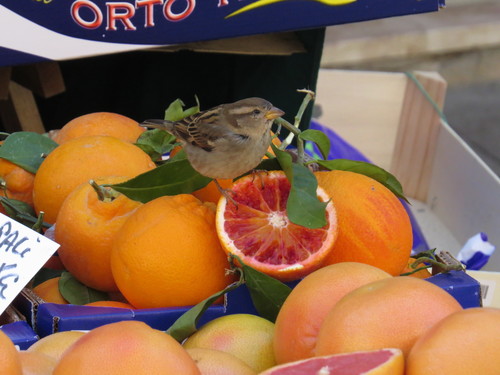
イタリアスズメ (Passer italiae) イタリアスズメ
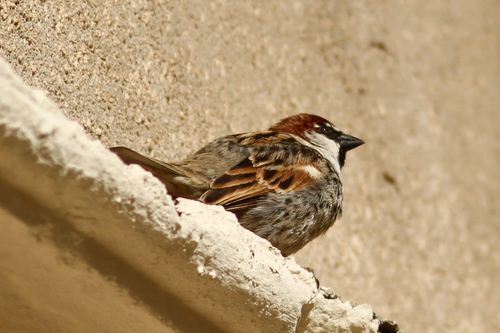
スペインスズメ (Passer hispaniolensis) スペインスズメ

メディア

読み込み中…

要点

イタリアスズメとスペインスズメの最も信頼できるフィールドマークは、成鳥のオスの腹部に太い黒い縞模様があるかどうかです:スペインスズメのオスは腹部と脇腹に重い黒い縞模様があり、イタリアスズメのオスはきれいな淡い灰色の腹部を持っています。両種のオスは栗色の冠と白い頬を持っていますが、イタリアスズメは外見が中間的で、スペインスズメの縞模様のある腹部が欠けています。メスは非常に似ており、フィールドではほとんど区別がつきませんが、縞模様や背中のパターンの微妙な違いが役立つかもしれません。両種は地中海の一部で重なり合っており、特に南イタリアや近隣の島々ではハイブリッドや中間種が発生することがあるため、一部の個体は曖昧な場合があります。

識別のコツ

  1. Male underpart streaking (adults): 最も良いフィールドマーク—スペインスズメのオスは腹部と脇腹に太い黒い縞模様があり、イタリアスズメのオスはきれいな淡い灰色の腹部を持っています。このマークは腹部がはっきり見えるときに使用してください。
  2. Male crown and cheek: 両方とも栗色の冠と白い頬を持っているため、これでは区別できません。冠の色だけに頼らないでください。
  3. Male throat bib: 両方とも黒いビブを示しますが、その大きさと強さは変動し、信頼できる違いはありません。
  4. Female plumage: メスはフィールドでほとんど区別がつきません。両方とも淡い眉斑と縞模様のある背中を持つ茶色がかった灰色です。スペインスズメのメスは側面にやや目立つ縞模様と広い背中の縞模様を示すことがありますが、これらは微妙で重なり合います。
  5. Juvenile/immature plumage: 若い鳥には信頼できる区別はありません;両方ともイエスズメの幼鳥に似ており、特徴的な上翼や飛行マークが欠けています。
  6. Bill structure: スペインスズメはやや長くて太いくちばしを示すことがありますが、これは小さな違いであり、直接比較なしでは判断が難しいです。
  7. Size: スペインスズメはやや大きくて重いですが、重なりがかなりあり、ほとんどのフィールドでの遭遇には役立ちません。
  8. Habitat context: イタリアスズメは主にイタリア、コルシカ、近隣地域に制限されており、町や村でよく見られます。スペインスズメは地中海全体に広がっており、農地や開けた国を好みますが、イエスズメがいない都市部にも出現することがあります。範囲と生息地を補助的な手がかりとして使用してください。
  9. Voice: 鳴き声や歌は非常に似ており、フィールドでこれらの種を区別する信頼できる方法ではありません。
  10. Hybrid/intermediate birds: 南イタリア、シチリア、マルタ、いくつかの地中海の島々では、中間種が発生し、特徴の混合を示すことがあります。一部の個体はどちらの種にも安全に割り当てることができない場合があります。
  11. Non-breeding plumage: 冬の間、イタリアスズメのオスは鈍い色に見えることがありますが、腹部の縞模様がないことが重要なマークです。スペインスズメの亜種は冬に栗色のトーンが異なることがありますが、常に腹部の縞模様を示します。
  12. Flock composition: 重なり合うゾーンでは混合群れが発生することがあります;群れのすべての鳥が同じ種であるとは限りません。
  13. Urban vs rural: イタリアスズメはその範囲内の都市環境で見られる可能性が高いですが、スペインスズメはより田舎に生息していますが、これは絶対的ではありません。
  14. Back streaking (females): スペインスズメのメスは背中により広いクリーム色の縞模様を持つことがありますが、これは微妙で常に見えるわけではありません。
  15. Geographic location: 自分の位置を知ることが役立ちます;純粋なイタリアスズメはイタリア/コルシカの外ではありそうにありませんし、スペインスズメはイベリア、北アフリカ、地中海の東部の大部分を支配しています。

大きさ

スペインスズメはイタリアスズメよりもやや大きくて重く、長さは15〜16 cm、体重は22〜36 gで、イタリアスズメは14〜16 cm、26〜30 g(季節変動)です。違いは微妙で、フィールドでは通常診断的ではありませんが、スペインスズメはややずんぐりして見えることがあり、やや長くて太いくちばしを持つことがあります。尾と翼の長さはかなり重なります。

羽色

行動

両種は社交的で、特に繁殖シーズン外では群れで見られることが多いです。スペインスズメはやや頑丈に見えることがあり、特に開けた国ではより大きな群れで群れを作ることがあります。イタリアスズメは町や村でよく見られ、イエスズメに似た行動をします。飛行と一般的な印象は非常に似ており、信頼できる診断的なものではありません。

生息環境

イタリアスズメは主にイタリア、コルシカ、近隣地域に見られ、都市または準都市の生息地で、人間の居住地に密接に関連しています。スペインスズメは地中海、南西アジア、中央アジア全体に広がっており、農地、開けた森林、湿った生息地を好みます。イエスズメがいない場所(例:いくつかの島)では、スペインスズメが都市部に生息することがあります。南イタリアやシチリアでは中間種が発生し、生息地が区別にとって信頼できなくなります。

声

両種の鳴き声は非常に似ており、イエスズメと重なります。イタリアスズメのオスはスペインスズメに似た「チープ」という鳴き声を出し、歌のパターンは南イタリアで互いにグラデーションします。スペインスズメのディスプレイコールは一対の大きく高音のチリチリ音ですが、両種の鳴き声はフィールドで区別するのが難しいです。声は区別のための信頼できるフィールドマークではありません。

より良い説明を送る

比較と同じ項目を使ってください。文章はすぐに公開されます。

The most reliable field mark between Italian Sparrow and Spanish Sparrow is the presence or absence of bold black streaking on the underparts of adult males: Spanish Sparrow males have heavy black streaks on the flanks and belly, while Italian Sparrow males have clean pale grey underparts. Both species have chestnut crowns and white cheeks in males, but the Italian Sparrow is intermediate in appearance and lacks the Spanish Sparrow's streaked underparts. Females are extremely similar and nearly inseparable in the field, but subtle differences in streaking and back pattern may help. Both species overlap in parts of the Mediterranean, and hybrids/intermediates can occur, especially in southern Italy and nearby islands, so some individuals may be ambiguous.

  1. Male underpart streaking (adults): The single best field mark—Spanish Sparrow males have bold black streaks on the flanks and belly, while Italian Sparrow males have clean, pale grey underparts. Use this mark whenever you see a clear view of the underparts.
  2. Male crown and cheek: Both have chestnut crowns and white cheeks, so this is not diagnostic between them. Do not rely on crown color alone.
  3. Male throat bib: Both show a black bib, but its size and intensity are variable and not reliably different.
  4. Female plumage: Females are nearly inseparable in the field. Both are brownish-grey with a pale supercilium and streaked back. Spanish Sparrow females may show slightly more side streaking and broader back streaks, but these are subtle and overlap.
  5. Juvenile/immature plumage: No reliable separation in young birds; both resemble House Sparrow juveniles and lack distinctive upperwing or flight marks.
  6. Bill structure: Spanish Sparrow may show a slightly longer, stouter bill, but this is a minor difference and hard to judge without direct comparison.
  7. Size: Spanish Sparrow is a bit larger and heavier, but the overlap is substantial and not useful for most field encounters.
  8. Habitat context: Italian Sparrow is mostly restricted to Italy, Corsica, and nearby regions, often in towns and villages. Spanish Sparrow is more widespread in the Mediterranean and prefers farmland and open country, but can occur in urban areas where House Sparrow is absent. Use range and habitat as supporting, not primary, clues.
  9. Voice: Calls and songs are very similar and not a reliable way to separate these species in the field.
  10. Hybrid/intermediate birds: In southern Italy, Sicily, Malta, and some Mediterranean islands, intermediates occur and may show a mix of features. Some individuals may not be safely assignable to either species.
  11. Non-breeding plumage: Italian Sparrow males may appear duller in winter, but the lack of underpart streaking remains the key mark. Spanish Sparrow subspecies may vary in chestnut tone, but always show underpart streaking.
  12. Flock composition: Mixed flocks can occur in overlap zones; do not assume all birds in a flock are the same species.
  13. Urban vs rural: Italian Sparrow is more likely in urban settings within its range, while Spanish Sparrow is more rural, but this is not absolute.
  14. Back streaking (females): Spanish Sparrow females may have broader cream streaks on the back, but this is subtle and not always visible.
  15. Geographic location: Knowing your location can help; pure Italian Sparrow is unlikely outside Italy/Corsica, and Spanish Sparrow dominates in Iberia, North Africa, and much of the eastern Mediterranean.

Spanish Sparrow is slightly larger and heavier than Italian Sparrow, with a length of 15–16 cm and weight of 22–36 g, compared to Italian Sparrow's 14–16 cm and 26–30 g (seasonal variation). The difference is subtle and not usually diagnostic in the field, but Spanish Sparrow may appear a bit bulkier and have a slightly longer, stouter bill. Tail and wing lengths overlap considerably.

  • Adult males (breeding): Spanish Sparrow males have a chestnut crown, white cheeks, and—most distinctively—bold black streaks running down the flanks and belly. Italian Sparrow males also have a chestnut crown and white cheeks, but their underparts are a clean pale grey, lacking any black streaking. Both have a black throat bib, but the Italian Sparrow's bib may appear duller in non-breeding plumage.
  • Adult females: Both species' females are very similar to female House Sparrow: brownish-grey overall, with a pale supercilium and streaked back. Spanish Sparrow females may show slightly more pronounced streaking on the sides and broader cream streaks on the back, but these differences are subtle and unreliable for most field views. Italian Sparrow females lack the underpart streaking seen in Spanish Sparrow females, but this is often hard to discern.
  • Immatures/juveniles: No distinctive upperwing or flight pattern differences are described for these ages. Both species' young birds resemble House Sparrow juveniles and are not reliably separable in the field.
  • Seasonal variation: In non-breeding (fresh) plumage, the male Italian Sparrow's bib and crown may appear duller, but the absence of underpart streaking remains a key mark. Spanish Sparrow subspecies may show paler or less chestnut in winter, but streaking is still present.

Both species are gregarious and often seen in flocks, especially outside the breeding season. Spanish Sparrow may appear slightly more robust and may flock in larger groups, especially in open country. Italian Sparrow is often found in towns and villages, behaving similarly to House Sparrow. Flight and general jizz are very similar and not reliably diagnostic.

Italian Sparrow is mainly found in Italy, Corsica, and nearby regions, often in urban or semi-urban habitats, closely associated with human settlements. Spanish Sparrow has a broader range across the Mediterranean, southwest and central Asia, and prefers farmland, open woodland, and moister habitats when in sympatry with House Sparrow. Where House Sparrow is absent (e.g., some islands), Spanish Sparrow may occupy urban areas. In southern Italy and Sicily, intermediates occur, making habitat less reliable for separation.

Vocalizations of both species are very similar and overlap with House Sparrow. Italian Sparrow males give a 'chreep' call similar to Spanish Sparrow, and song patterns grade into each other in southern Italy. Spanish Sparrow's display call is a pair of loud, high-pitched chirps, but both species' calls are hard to separate in the field. Voice is not a reliable field mark for separation.

変更を破棄しますか?

保存していない編集があります。今離れると失われます。

イタリアスズメ · スペインスズメ · 苦手な鳥