

chasco-isabel vs chasco-ruivo-ocidental
Oenanthe isabellina versus Oenanthe hispanica
Jogue um quiz com chasco-isabel e chasco-ruivo-ocidental
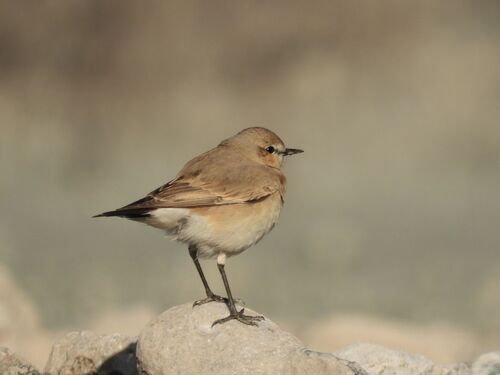 chasco-isabel
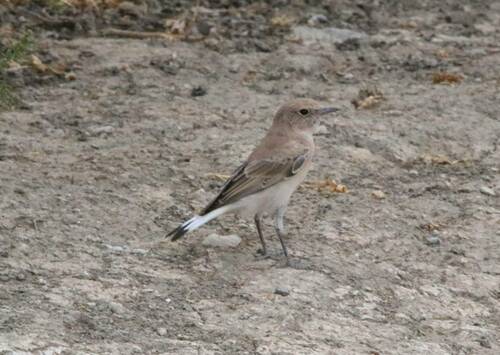 chasco-ruivo-ocidental
Em resumo
A marca de campo mais confiável entre chasco-isabel e chasco-ruivo-ocidental é a coloração geral e o padrão da cauda: chasco-isabel é distintamente mais claro e mais uniformemente arenoso ou isabelino, com uma postura ereta de pernas longas e uma cauda que mostra uma extensa área branca na base, mas uma ampla faixa terminal preta. Chasco-ruivo-ocidental, especialmente os machos em plumagem de reprodução, exibe uma impressionante máscara facial preta, partes superiores mais brancas e uma cauda que é branca com preto estreito na ponta e nas penas centrais. Fêmeas e aves não reprodutoras de ambas as espécies podem ser confusas, mas chasco-isabel é sempre maior, mais claro e não possui nenhuma máscara preta forte. Em voo ou em repouso, procure as coberturas de asa inferiores claras do chasco-isabel e a área branca mais extensa na base da cauda, em comparação com as asas mais escuras do chasco-ruivo e o padrão de cauda mais definido. Diferenças estruturais (tamanho, bico, postura) e detalhes sutis da plumagem são fundamentais, especialmente fora da temporada de reprodução dos machos.
Dicas de identificação
- Padrão da cauda (todas as idades): Chasco-isabel mostra uma ampla faixa terminal preta com uma grande base branca na cauda, especialmente óbvia em voo; as penas externas da cauda são principalmente brancas, penas centrais cerca de um terço brancas. A cauda do chasco-ruivo-ocidental é principalmente branca com preto restrito ao par central e uma ponta estreita, o branco frequentemente se estendendo até a ponta na membrana interna.
- Coloração geral: Chasco-isabel é muito mais claro, arenoso ou isabelino acima e abaixo, com pouco contraste; chasco-ruivo-ocidental é mais quente, cor de buff ou marrom, especialmente em fêmeas e aves não reprodutoras.
- Padrão facial (macho em reprodução): Machos de chasco-ruivo-ocidental têm uma máscara preta ousada desde as coberturas auriculares até o bico, às vezes uma garganta preta, e uma coroa e testa brancas ou quase brancas. Chasco-isabel não possui máscara ou garganta pretas, mostrando em vez disso um supercílios branco-cremoso e coberturas auriculares marrom claras.
- Coberturas de asa inferiores: Chasco-isabel tem coberturas de asa inferiores e axilares brancas (com bases escuras), uma marca sutil, mas consistente, se vista bem em voo ou enquanto se arruma. Chasco-ruivo-ocidental não apresenta essa característica.
- Tamanho e estrutura: Chasco-isabel é maior, de pernas mais longas e mais ereto na postura; chasco-ruivo-ocidental é menor, mais compacto e menos ereto. Use isso com cautela, a menos que ambas as espécies estejam presentes para comparação.
- Comprimento do bico: Chasco-isabel tem um bico mais longo que o chasco-ruivo-ocidental, mas isso é sutil e melhor usado em combinação com outras marcas.
- Peito e barriga: O peito do chasco-isabel é arenoso ou isabelino, a barriga é branca-cremosa; o chasco-ruivo-ocidental é branco tingido de buff, mas geralmente mais quente e mais contrastante.
- Supercílios: Chasco-isabel mostra um supercílios branco-cremoso, muitas vezes mais óbvio do que no chasco-ruivo-ocidental, que pode ser menos distinto ou interrompido pela máscara preta nos machos.
- Coberturas auriculares: As coberturas do chasco-isabel são marrom claro e se misturam com o resto da cabeça; as do chasco-ruivo-ocidental são frequentemente incluídas na máscara preta (machos) ou marrom mais quente (fêmeas).
- Contexto de habitat: Em estepe aberta e árida ou alto platô, especialmente na Ásia Central ou habitats semelhantes, chasco-isabel é mais provável. Em terrenos mediterrâneos rochosos e arbustivos, chasco-ruivo-ocidental é esperado.
- Sexo e estação: Machos de chasco-ruivo-ocidental em plumagem de reprodução são mais fáceis de separar devido à máscara preta e à coroa mais clara. Fêmeas e aves não reprodutoras são mais complicadas; confie no padrão da cauda, na palidez geral e na estrutura.
- Associações: Chasco-isabel é frequentemente solitário no inverno, às vezes com outras espécies de Oenanthe durante a migração. Os hábitos sociais do chasco-ruivo-ocidental são menos distintivos, mas não são solitários da mesma forma.
- Armadilhas: Fêmeas e aves não reprodutoras de chasco-ruivo-ocidental podem parecer muito semelhantes ao chasco-isabel, especialmente em luz fraca. Foque no padrão da cauda e na palidez geral.
- Não diagnóstico: Nenhuma diferença clara nas vocalizações ou padrão detalhado da asa em voo é descrita nessas fontes para essas duas espécies.
- Quando em dúvida: Priorize o padrão da cauda, a coloração geral e a estrutura, especialmente para aves que não estão em plena plumagem de reprodução.
Tamanho
Chasco-isabel é visivelmente maior e mais robusto, com uma massa corporal típica de 29,0g [wikidata], e um comprimento de 15–16,5 cm. Chasco-ruivo-ocidental é menor e mais delicado, embora a massa precisa não seja fornecida nas fontes. No campo, chasco-isabel frequentemente parece ter pernas mais longas e ser mais ereto, enquanto chasco-ruivo-ocidental é mais compacto e menos ereto. Use essas diferenças de jizz com cautela, mas o tamanho e a postura podem ajudar quando vistos lado a lado.
Plumagem
-
Plumagem juvenil/imatura: Nenhum detalhe explícito sobre o padrão da asa juvenil para ambas as espécies nas notas fornecidas, portanto, o foco deve ser na coloração geral e no padrão da cauda. Ambas as espécies têm costas inferiores pálidas e coberturas superiores da cauda brancas, mas a cauda do chasco-isabel tem uma ampla faixa terminal preta com uma grande base branca (penas externas mais da metade brancas), enquanto a cauda do chasco-ruivo-ocidental é principalmente branca, exceto pelo par central e uma ponta preta estreita.
-
Plumagem de reprodução adulta: O macho de chasco-ruivo-ocidental é distinto com uma máscara preta desde as coberturas auriculares até o bico, coroa e testa brancas ou quase brancas, e asas mais escuras. A garganta pode ser preta ou branca. Chasco-isabel é muito mais claro em geral, arenoso ou isabelino acima, com um supercílios branco-cremoso, coberturas auriculares marrom claro e sem máscara ou garganta pretas. Ambos os sexos de chasco-isabel são semelhantes e carecem de forte contraste facial.
-
Plumagem não reprodutora/feminina: Ambas as espécies tornam-se mais marrons e com tons de buff, mas chasco-isabel permanece mais claro e mais uniforme, com um tom arenoso ou de pergaminho, enquanto chasco-ruivo-ocidental (especialmente fêmeas) é marrom mais quente acima e abaixo, e pode mostrar algum contraste facial. As axilares e coberturas de asa inferiores do chasco-isabel são brancas, enquanto as do chasco-ruivo-ocidental não são descritas dessa forma.
-
Padrão da cauda: Chasco-isabel: ampla faixa terminal preta, grande base branca (penas externas principalmente brancas). Chasco-ruivo-ocidental: cauda principalmente branca, preto restrito às penas centrais e ponta, branco frequentemente se estendendo até a ponta na membrana interna.
Comportamento
Chasco-isabel é mais ereto e de pernas longas, frequentemente visto em pé em terreno aberto, movendo-se com longos saltos. Chasco-ruivo-ocidental é mais compacto e menos ereto. Ambas as espécies são ativas e inquietas, mas chasco-isabel pode parecer mais solitário, especialmente no inverno, enquanto chasco-ruivo-ocidental não é descrito como se associando a outras espécies. Ambas são típicas de chascos de campo aberto, mas a marcha e a postura do chasco-isabel são mais marcadamente eretas.
Habitat
Chasco-isabel prefere estepe aberta e árida, altos platôs, regiões áridas e solo semiárido com vegetação esparsa, frequentemente na Ásia Central, sul da Rússia e habitats semelhantes no inverno. Chasco-ruivo-ocidental não é descrito em detalhes aqui, mas geralmente prefere encostas rochosas, arbustos e campo aberto no sul da Europa e no Mediterrâneo. Se em estepe clássica ou alto platô, chasco-isabel é mais provável; em terreno mediterrâneo rochoso, chasco-ruivo-ocidental é esperado.
chasco-isabel · chasco-ruivo-ocidental · Minhas aves difíceis