

Motmot

イナバヒタキ 対 ニシカオグロサバクヒタキ

Oenanthe isabellina 対 Oenanthe hispanica

イナバヒタキとニシカオグロサバクヒタキのクイズ
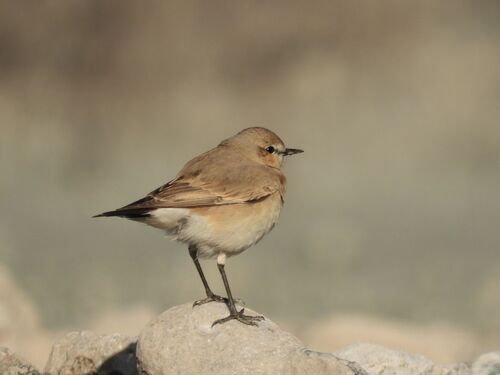
イナバヒタキ (Oenanthe isabellina) イナバヒタキ
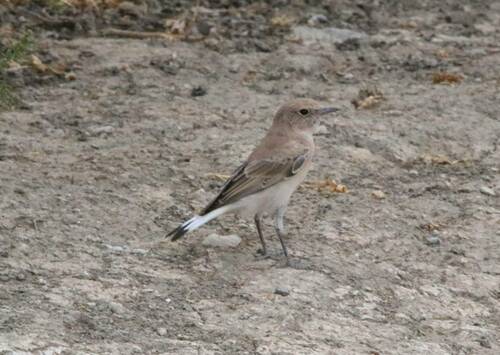
ニシカオグロサバクヒタキ (Oenanthe hispanica) ニシカオグロサバクヒタキ

メディア

読み込み中…

要点

イナバヒタキとニシカオグロサバクヒタキの最も信頼できるフィールドマークは、全体の色合いと尾のパターンです:イナバヒタキは明らかに淡く、より均一に砂色またはイザベル色で、長い脚の直立した姿勢を持ち、尾の基部には広範囲に白があり、太い黒の端帯があります。ニシカオグロサバクヒタキは、特に繁殖羽毛のオスは、目を引く黒い顔のマスク、より白い上面、そして先端と中央の羽に狭い黒がある白い尾を示します。両種の雌や非繁殖の鳥は混乱を招くことがありますが、イナバは常に大きく、淡く、強い黒いマスクがありません。飛んでいる時や休んでいる時には、イナバの淡い下翼の覆い羽と尾の基部のより広範な白を探し、対してニシカオグロの黒い翼とより明確な尾のパターンを見つけてください。構造的な違い(サイズ、くちばし、姿勢)や微妙な羽毛の詳細が重要であり、特にオスの繁殖シーズン外では特に重要です。

識別のコツ

  1. Tail pattern (all ages): イナバヒタキは尾に大きな白い基部を持つ広い黒の端帯を示し、特に飛んでいる時に明らかです;外側の尾羽はほとんど白く、中央の羽は約三分の一が白です。ニシカオグロサバクヒタキの尾はほとんど白で、黒は中央の対と狭い先端に制限され、白は内側の羽の先端まで延びることがよくあります。
  2. Overall coloration: イナバヒタキは全体的に非常に淡く、上面と下面が砂色またはイザベル色で、コントラストがほとんどありません;ニシカオグロサバクヒタキは、特に雌や非繁殖の鳥では、より暖かいバフ色または茶色です。
  3. Facial pattern (breeding male): ニシカオグロサバクヒタキのオスは、耳の覆い羽からくちばしまでの大胆な黒いマスクを持ち、時には黒い喉、白またはほぼ白の冠と額があります。イナバは黒いマスクや喉がなく、代わりにクリーミーな白の眉斑と淡い茶色の耳の覆い羽を示します。
  4. Underwing coverts: イナバヒタキは白い下翼の覆い羽と腋羽(暗い基部付き)を持ち、飛んでいる時や羽繕いをしている時に良く見える微妙だが一貫したマークです。ニシカオグロサバクヒタキはこの特徴を示しません。
  5. Size and structure: イナバは大きく、長い脚を持ち、より直立した姿勢です;ニシカオグロは小さく、よりコンパクトで、直立性が低いです。両種が比較のために存在する場合を除き、注意して使用してください。
  6. Bill length: イナバヒタキはニシカオグロよりも長いくちばしを持っていますが、これは微妙で、他のマークと組み合わせて使用するのが最適です。
  7. Breast and belly: イナバの胸は砂色またはイザベル色のバフで、腹はクリーミーな白です;ニシカオグロはバフ色がかかった白ですが、通常はより暖かく、コントラストが強いです。
  8. Supercilium: イナバはクリーミーな白の眉斑を示し、ニシカオグロよりも明らかに見えることが多く、オスの黒いマスクによってあまり明確でないか、途切れることがあります。
  9. Ear coverts: イナバの耳の覆い羽は淡い茶色で、頭の他の部分と混ざります;ニシカオグロの耳の覆い羽は、黒いマスクに含まれていることが多い(オス)か、より暖かい茶色(雌)です。
  10. Habitat context: 開けた不毛のステップや高い高原、特に中央アジアや類似の生息地では、イナバがより可能性が高いです。岩の多い、低木のある地中海の地形では、ニシカオグロが期待されます。
  11. Sex and season: 繁殖羽毛のニシカオグロのオスは、黒いマスクと白い冠のために最も簡単に区別できます。雌や非繁殖の鳥はより難しく、尾のパターン、全体的な淡さ、構造に依存してください。
  12. Associations: イナバは冬に孤独であることが多く、時には移動中に他のオエナンテ種と一緒にいます。ニシカオグロの社会的習性はあまり特徴的ではありませんが、同じように孤独ではありません。
  13. Pitfalls: 雌や非繁殖のニシカオグロは、特に光が悪い時にイナバに非常に似て見えることがあります。尾のパターンと全体的な淡さに焦点を当ててください。
  14. Not diagnostic: これらの2種のために、これらの情報源では鳴き声や飛行中の詳細な翼のパターンに明確な違いは記述されていません。
  15. When in doubt: 尾のパターン、全体の色合い、構造を優先してください、特に完全な繁殖羽毛ではない鳥に対して。

大きさ

イナバヒタキは明らかに大きく、ずんぐりしており、典型的な体重は29.0g [wikidata]、長さは15–16.5 cmです。ニシカオグロサバクヒタキは小さく、より繊細ですが、正確な体重は情報源に記載されていません。フィールドでは、イナバはしばしば長い脚とより直立した姿勢に見え、ニシカオグロはよりコンパクトで直立性が低いです。これらのジズの違いを注意して使用してくださいが、サイズと姿勢は並んで見たときに役立ちます。

羽色

行動

イナバヒタキはより直立していて長い脚を持ち、開けた地面に立っているのがよく見られ、長い跳躍で移動します。ニシカオグロサバクヒタキはよりコンパクトで直立性が低いです。両種は活発で落ち着きがありませんが、イナバは特に冬により孤独に見えることがありますが、ニシカオグロは他の種と関わることは記述されていません。両者は典型的な開けた国のヒタキですが、イナバの歩き方と姿勢はより際立って直立しています。

生息環境

イナバヒタキは、開けた不毛のステップ、高い高原、乾燥した地域、そして稀な植生のある半乾燥地を好み、しばしば中央アジア、南ロシア、冬の類似の生息地に見られます。ニシカオグロサバクヒタキはここでは詳細に記述されていませんが、通常は南ヨーロッパと地中海の岩の多い斜面、低木、開けた国を好みます。古典的なステップや高原にいる場合、イナバがより可能性が高く、岩の多い地中海の地形ではニシカオグロが期待されます。

より良い説明を送る

比較と同じ項目を使ってください。文章はすぐに公開されます。

The most reliable field mark between Isabelline Wheatear and Western Black-eared Wheatear is the overall coloration and tail pattern: Isabelline Wheatear is distinctly paler and more uniformly sandy or isabelline, with a long-legged upright stance and a tail showing extensive white at the base but a broad black terminal band. Western Black-eared Wheatear, especially males in breeding plumage, shows a striking black facial mask, whiter upperparts, and a tail that is white with narrow black at the tip and central feathers. Females and non-breeding birds of both species can be confusing, but Isabelline is always larger, paler, and lacks any strong black mask. In flight or at rest, look for the Isabelline's pale underwing coverts and more extensive white on the tail base, versus the Western Black-eared's blacker wings and more sharply defined tail pattern. Structural differences (size, bill, posture) and subtle plumage details are key, especially outside the male's breeding season.

  1. Tail pattern (all ages): Isabelline Wheatear shows a broad black terminal band with a large white base on the tail, especially obvious in flight; the outer tail feathers are mostly white, central feathers about one-third white. Western Black-eared Wheatear's tail is mostly white with black restricted to the central pair and a narrow tip, the white often extending to the tip on the inner web.
  2. Overall coloration: Isabelline Wheatear is much paler, sandy or isabelline above and below, with little contrast; Western Black-eared Wheatear is warmer buff or brown, especially in females and non-breeding birds.
  3. Facial pattern (breeding male): Western Black-eared Wheatear males have a bold black mask from ear coverts to bill, sometimes a black throat, and a white or nearly white crown and forehead. Isabelline lacks any black mask or throat, instead showing a creamy-white supercilium and pale brown ear coverts.
  4. Underwing coverts: Isabelline Wheatear has white underwing coverts and axillaries (with dark bases), a subtle but consistent mark if seen well in flight or preening. Western Black-eared Wheatear does not show this feature.
  5. Size and structure: Isabelline is larger, longer-legged, and more upright in stance; Western Black-eared is smaller, more compact, and less upright. Use this with caution unless both species are present for comparison.
  6. Bill length: Isabelline Wheatear has a longer bill than Western Black-eared, but this is subtle and best used in combination with other marks.
  7. Breast and belly: Isabelline's breast is sandy or isabelline buff, belly creamy white; Western Black-eared is white tinged with buff, but usually warmer and more contrasting.
  8. Supercilium: Isabelline shows a creamy-white supercilium, often more obvious than in Western Black-eared, which may be less distinct or broken by the black mask in males.
  9. Ear coverts: Isabelline's are pale brown and blend with the rest of the head; Western Black-eared's are often included in the black mask (males) or warmer brown (females).
  10. Habitat context: In open, barren steppe or high plateau, especially in Central Asia or similar habitats, Isabelline is more likely. In rocky, shrubby Mediterranean terrain, Western Black-eared is expected.
  11. Sex and season: Males of Western Black-eared in breeding plumage are easiest to separate due to the black mask and whiter crown. Females and non-breeding birds are trickier; rely on tail pattern, overall paleness, and structure.
  12. Associations: Isabelline is often solitary in winter, sometimes with other Oenanthe species during migration. Western Black-eared's social habits are less distinctive but not solitary in the same way.
  13. Pitfalls: Female and non-breeding Western Black-eared can look very similar to Isabelline, especially in poor light. Focus on tail pattern and overall paleness.
  14. Not diagnostic: No clear differences in vocalizations or detailed wing pattern in flight are described in these sources for these two species.
  15. When in doubt: Prioritize tail pattern, overall coloration, and structure, especially for birds not in full breeding plumage.

Isabelline Wheatear is noticeably larger and bulkier, with a typical body mass of 29.0g [wikidata], and a length of 15–16.5 cm. Western Black-eared Wheatear is smaller and more delicate, though precise mass is not given in the sources. In the field, Isabelline often appears longer-legged and more upright, while Western Black-eared is more compact and less upright. Use these jizz differences with caution, but size and stance can help when seen side by side.

  • Juvenile/immature plumage: No explicit details on juvenile wing pattern for either species in the provided notes, so focus must be on overall coloration and tail pattern. Both species have pale lower backs and white upper tail coverts, but Isabelline Wheatear's tail has a broad black terminal band with a large white base (outer feathers more than half white), while Western Black-eared Wheatear's tail is mostly white except for the central pair and a narrow black tip.

  • Adult breeding plumage: Male Western Black-eared Wheatear is distinctive with a black mask from ear coverts to bill, white or nearly white crown and forehead, and blacker wings. Throat may be black or white. Isabelline Wheatear is much paler overall, sandy or isabelline above, with a creamy-white supercilium, pale brown ear coverts, and no black mask or throat. Both sexes of Isabelline are similar and lack strong facial contrast.

  • Non-breeding/female plumage: Both species become browner and buffier, but Isabelline remains paler and more uniform, with a sandy or parchment tone, while Western Black-eared (especially females) is warmer brown above and below, and may show some facial contrast. The axillaries and underwing coverts of Isabelline are white, while Western Black-eared's are not described as such.

  • Tail pattern: Isabelline: broad black terminal band, large white base (outer feathers mostly white). Western Black-eared: tail mostly white, black restricted to central feathers and tip, white often extending to tip on inner web.

Isabelline Wheatear is more upright and long-legged, often seen standing tall on open ground, moving with long hops. Western Black-eared Wheatear is more compact and less upright. Both species are active and restless, but Isabelline may appear more solitary, especially in winter, while Western Black-eared is not described as associating with other species. Both are typical open-country wheatears, but Isabelline's gait and posture are more strikingly upright.

Isabelline Wheatear favors open, barren steppe, high plateaux, arid regions, and semi-arid ground with sparse vegetation, often in Central Asia, southern Russia, and similar habitats in winter. Western Black-eared Wheatear is not described in detail here, but typically prefers rocky slopes, scrub, and open country in southern Europe and the Mediterranean. If in classic steppe or high plateau, Isabelline is more likely; in rocky Mediterranean terrain, Western Black-eared is expected.

変更を破棄しますか?

保存していない編集があります。今離れると失われます。

イナバヒタキ · ニシカオグロサバクヒタキ · 苦手な鳥