

gaivota-branca vs mariquita-protonotária
Larus glaucoides versus Protonotaria citrea
Jogue um quiz com gaivota-branca e mariquita-protonotária
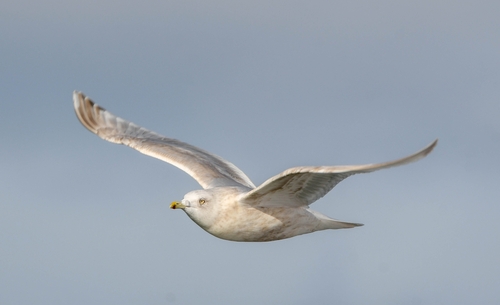 gaivota-branca
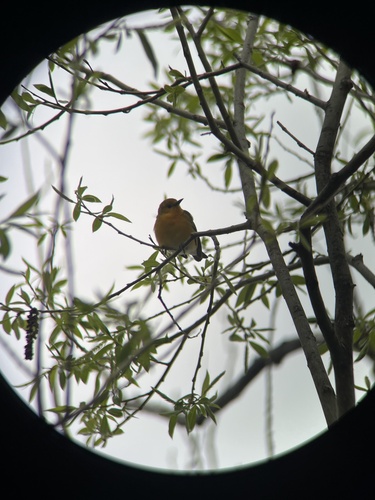 mariquita-protonotária
Em resumo
A maneira mais confiável de separar a gaivota-branca da mariquita-protonotária é pelo tamanho geral, estrutura e estilo de voo: a gaivota-branca é uma gaivota grande e pálida com asas longas e um bico robusto, enquanto a mariquita-protonotária é um pequeno pássaro cantor amarelo brilhante com um bico fino e pontudo e cauda curta. Se vista em voo, a gaivota-branca (mesmo como imatura) exibe asas longas e largas com partes superiores pálidas e sem preto nas pontas das asas, enquanto a mariquita-protonotária exibe uma cauda curta e bicolor por baixo. Mesmo à distância, os tons pálidos e cinza-prateados da gaivota contrastam fortemente com o plumagem vívido amarelo e oliva da mariquita. Qualquer confusão provavelmente decorre de vistas ruins ou iluminação incomum, mas a atenção cuidadosa ao tamanho, forma e cor resolverá a identificação.
Dicas de identificação
- Tamanho: A gaivota-branca é muitas vezes maior que a mariquita-protonotária. Se você vê um pássaro do tamanho de um pombo ou maior, não pode ser uma mariquita-protonotária.
- Formato do bico: A gaivota-branca tem um bico grosso, pesado e levemente curvado (amarelado-esverdeado em adultos, escuro em imaturos), enquanto a mariquita-protonotária tem um bico fino e pontudo adequado para comer insetos.
- Padrão das asas em voo (todas as idades): A gaivota-branca sempre exibe asas longas e pálidas sem preto nas pontas, enquanto a mariquita-protonotária exibe uma cauda curta e larga com uma base branca e ponta escura por baixo. Este padrão de cauda é único entre os pássaros cantores do leste e nunca é mostrado por gaivotas.
- Cor do plumagem: A gaivota-branca é predominantemente cinza pálido e branco, com uma aparência fria e prateada. A mariquita-protonotária é amarelo brilhante por baixo e na cabeça (especialmente os machos), com costas oliva e asas e cauda azul-cinza.
- Cor da cabeça: O macho adulto da mariquita-protonotária tem uma cabeça laranja-amarelada vívida, enquanto a cabeça da gaivota-branca é sempre branca ou cinza pálido, nunca amarela.
- Cor das pernas: A mariquita-protonotária tem pernas pretas, enquanto as pernas da gaivota-branca são pálido rosadas ou acinzentadas (nem sempre visíveis à distância).
- Formato da cauda: A cauda da mariquita-protonotária é curta e quadrada, com um padrão bicolor claro por baixo. A cauda da gaivota-branca é mais longa, pálida e não tem ponta escura.
- Comportamento: A gaivota-branca é frequentemente vista planando, deslizando ou nadando em áreas abertas; a mariquita-protonotária é ativa, pulando e forrageando baixo em florestas densas e úmidas.
- Habitat: Se o pássaro está em um pântano florestal ou floresta alagada, é quase certamente uma mariquita-protonotária. A gaivota-branca é encontrada em ambientes abertos, costeiros ou urbanos, nunca em florestas densas.
- Jizz/estilo de voo: A gaivota-branca tem batidas de asa lentas e profundas e um voo constante e flutuante. A mariquita-protonotária tem batidas de asa rápidas e tremulantes e voos curtos e erráticos.
- Cor do bico (imaturos): As gaivotas-brancas imaturas têm um bico principalmente escuro, mas nunca tão fino ou pontudo quanto o de uma mariquita.
- Confusão de sexo/idade: As fêmeas e imaturos da mariquita-protonotária são amarelas mais apagadas, mas ainda nunca se aproximam dos tons pálidos e frios da gaivota-branca. Nenhuma idade ou sexo da gaivota-branca é amarelo ou oliva.
- Contexto de grupo: As gaivotas-brancas são frequentemente vistas em grupos com outras gaivotas; as mariquitas-protonotárias são geralmente solitárias ou em bandos mistos de pequenos pássaros cantores.
- Comportamento alimentar: A gaivota-branca se alimenta de peixes e restos, frequentemente no chão ou na água. A mariquita-protonotária coleta insetos da folhagem ou casca, raramente no chão.
- Voz: Não é diagnóstico aqui, mas se você ouvir uma canção alta e ressoante "doce-doce-doce", é uma mariquita-protonotária. A gaivota-branca é em sua maioria silenciosa ou emite chamados ásperos.
Tamanho
A gaivota-branca é muito maior que a mariquita-protonotária. A gaivota mede 50–64 cm de comprimento com uma envergadura de 115–150 cm e pesa 480–1.100 g [wikipedia], tornando-se uma gaivota de tamanho médio, mas ainda enorme em comparação com qualquer mariquita. A mariquita-protonotária tem apenas 13 cm de comprimento, com uma envergadura de 22 cm e uma massa média de 14,9 g [wikidata]. Mesmo uma gaivota-branca distante parecerá muito maior e mais robusta do que o pássaro cantor mais robusto, enquanto a mariquita-protonotária é delicada e do tamanho de um pardal.
Plumagem
Para todas as idades, a gaivota-branca é extremamente pálida, com adultos mostrando partes superiores cinza pálido e partes inferiores brancas, e sem preto nas pontas das asas em qualquer idade [wikipedia]. Os imaturos também são muito pálidos, com um bico principalmente escuro, mas ainda sem a base rosa vista no gaivotão-branco. Em voo, tanto as gaivotas-brancas adultas quanto imaturas mostram asas longas e pálidas sem marcas escuras, e uma cauda pálida. A mariquita-protonotária, em contraste, é amarelo brilhante por baixo e na cabeça (especialmente os machos), com costas oliva e asas e cauda azul-cinza. Em voo, a mariquita exibe uma cauda curta e larga com um padrão bicolor distinto: branca na base e escura na ponta, facilmente visível por baixo. Fêmeas e imaturos são amarelos mais apagados, mas ainda nunca se aproximam dos tons frios e pálidos da gaivota. Não há sobreposição no padrão das asas ou na coloração geral entre as duas espécies em qualquer idade ou estação.
Comportamento
A gaivota-branca é tipicamente vista planando, deslizando ou nadando, frequentemente em bandos ao redor de costas, portos ou lixões. Seu voo é forte e flutuante, com batidas de asa lentas e profundas. A mariquita-protonotária é ativa e inquieta, movendo-se com pulos rápidos e bruscos e às vezes rastejando em galhos, até de cabeça para baixo. Ela é quase sempre vista em áreas úmidas florestais, forrageando baixo ou perto da água, e raramente pousa em áreas abertas por muito tempo. O voo da mariquita é curto e tremulante, com batidas de asa rápidas e frequentes movimentos de cauda, completamente diferente do voo poderoso e constante da gaivota.
Habitat
A gaivota-branca se reproduz nas costas e penhascos árticos no Canadá e na Groenlândia, invernando ao longo das costas do Atlântico norte, frequentemente perto de água aberta, portos ou locais de lixo [wikipedia]. Ela nunca é encontrada em áreas úmidas florestais. A mariquita-protonotária é uma especialista em pântanos florestais, florestas alagadas e riachos de fluxo lento, especialmente no leste dos EUA. Ela faz ninho em cavidades naturais ou artificiais em árvores sobre a água. As duas espécies não se sobrepõem em habitat preferido; qualquer avistamento em um pântano florestal é quase certamente uma mariquita-protonotária, enquanto grandes gaivotas pálidas em ambientes abertos, costeiros ou urbanos são gaivotas-brancas.
gaivota-branca · mariquita-protonotária · Minhas aves difíceis