

Motmot

アイスランドカモメ 対 オウゴンアメリカムシクイ

Larus glaucoides 対 Protonotaria citrea

アイスランドカモメとオウゴンアメリカムシクイのクイズ
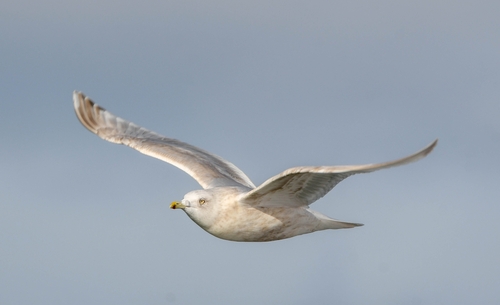
アイスランドカモメ (Larus glaucoides) アイスランドカモメ
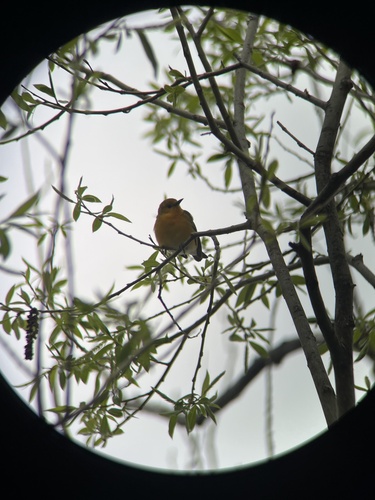
オウゴンアメリカムシクイ (Protonotaria citrea) オウゴンアメリカムシクイ

メディア

読み込み中…

要点

アイスランドカモメとオウゴンアメリカムシクイを区別する最も信頼できる方法は、全体のサイズ、構造、飛行スタイルによるものです:アイスランドカモメは大きく、淡い色のカモメで、長い翼と重いくちばしを持っています。一方、オウゴンアメリカムシクイは小さく、明るい黄色の歌鳥で、細長く尖ったくちばしと短い尾を持っています。飛行中に見られる場合、アイスランドカモメ(未成熟でも)は、淡い上面と翼先に黒がない長く広い翼を示し、オウゴンアメリカムシクイは下から短い二色の尾を見せます。距離があっても、カモメの淡い銀灰色のトーンと体格は、ムシクイの鮮やかな黄色とオリーブ色の羽毛と鮮やかに対比します。混乱はおそらく視界が悪いか異常な照明から生じるでしょうが、サイズ、形、色に注意を払えば識別が解決します。

識別のコツ

  1. Size: アイスランドカモメはオウゴンアメリカムシクイよりも何倍も大きいです。鳩のサイズかそれ以上の鳥を見た場合、それはオウゴンアメリカムシクイではありません。
  2. Bill shape: アイスランドカモメは厚く、重く、わずかにフック状のくちばしを持っています(成鳥は黄緑色、未成熟は暗色)、一方、オウゴンアメリカムシクイは昆虫食に適した細長く鋭いくちばしを持っています。
  3. Wing pattern in flight (all ages): アイスランドカモメは常に長く淡い翼を示し、翼先に黒がありませんが、オウゴンアメリカムシクイは下から白い基部と暗い先端を持つ短く広い尾を見せます。この尾のパターンは東部のムシクイの中でユニークで、カモメには見られません。
  4. Plumage color: アイスランドカモメは全体的に淡い灰色と白で、冷たい銀色の外観を持っています。オウゴンアメリカムシクイは下部と頭部(特にオス)が明るい黄色で、オリーブ色の背中と青灰色の翼と尾を持っています。
  5. Head color: 成熟したオスのオウゴンアメリカムシクイは鮮やかなオレンジ黄色の頭を持っていますが、アイスランドカモメの頭は常に白または淡い灰色で、黄色ではありません。
  6. Leg color: オウゴンアメリカムシクイは黒い脚を持っていますが、アイスランドカモメの脚は淡いピンク色または灰色で(距離があるときは必ずしも見えません)。
  7. Tail shape: オウゴンアメリカムシクイの尾は短く四角い形をしており、下から明確な二色のパターンを持っています。アイスランドカモメの尾は長く淡い色で、暗い先端はありません。
  8. Behavior: アイスランドカモメはしばしば開けた場所で浮かんでいる、滑空している、または泳いでいるのが見られます。オウゴンアメリカムシクイは活発で、低い密な湿った森の中で跳ね回り、餌を探します。
  9. Habitat: 鳥が森林の湿地や洪水の森にいる場合、それはほぼ確実にオウゴンアメリカムシクイです。アイスランドカモメは開けた沿岸部や都市部に見られ、密な森には決していません。
  10. Jizz/flight style: アイスランドカモメは遅く深い翼の拍動と安定した浮遊感のある飛行を持っています。オウゴンアメリカムシクイは急速でひらひらした翼の拍動と不規則で短い飛行を持っています。
  11. Bill color (immatures): 未成熟のアイスランドカモメは主に暗いくちばしを持っていますが、ムシクイのように細く尖っていることはありません。
  12. Sex/age confusion: 雌や未成熟のオウゴンアメリカムシクイは鈍い黄色ですが、アイスランドカモメの淡い冷たいトーンには決して近づきません。アイスランドカモメの年齢や性別は黄色やオリーブ色ではありません。
  13. Group context: アイスランドカモメは他のカモメと一緒に群れで見られることが多いですが、オウゴンアメリカムシクイは通常孤独で、小さな歌鳥の混合群れにいます。
  14. Feeding behavior: アイスランドカモメは魚やゴミを漁ったり食べたりし、しばしば地面や水の上で見られます。オウゴンアメリカムシクイは葉や樹皮から昆虫を採取し、地面にはめったにいません。
  15. Voice: ここでは診断的ではありませんが、大きく響く「スウィート・スウィート・スウィート」という歌を聞いたら、それはオウゴンアメリカムシクイです。アイスランドカモメはほとんど静かで、厳しい鳴き声を出します。

大きさ

アイスランドカモメはオウゴンアメリカムシクイよりもはるかに大きいです。カモメは長さ50〜64 cm、翼幅115〜150 cm、体重480〜1,100 g [wikipedia]で、中型のカモメですが、どのムシクイと比べても巨大です。オウゴンアメリカムシクイは長さわずか13 cm、翼幅22 cm、平均体重14.9 g [wikidata]です。遠くから見ても、アイスランドカモメは最も頑丈な歌鳥よりもはるかに大きく、重く見え、オウゴンアメリカムシクイは繊細でスズメサイズです。

羽色

すべての年齢において、アイスランドカモメは非常に淡い色で、成鳥は淡い灰色の上面と白い下面を示し、どの年齢でも翼先に黒がありません [wikipedia]。未成熟も非常に淡い色で、主に暗いくちばしを持っていますが、シロカモメに見られるピンクの基部は欠けています。飛行中、成鳥と未成熟のアイスランドカモメは長く淡い翼を示し、暗い模様はありません。対照的に、オウゴンアメリカムシクイは下部と頭部(特にオス)が明るい黄色で、オリーブ色の背中と青灰色の翼と尾を持っています。飛行中、ムシクイは基部が白で先端が暗い独特の二色のパターンを持つ短く広い尾を見せ、下から簡単に見えます。雌や未成熟は鈍い黄色ですが、カモメの冷たく淡いトーンには決して近づきません。どの年齢や季節においても、両種の翼のパターンや全体的な色合いに重複はありません。

行動

アイスランドカモメは通常、沿岸、港、またはゴミ捨て場の周りで群れを成して浮かんでいる、滑空している、または泳いでいるのが見られます。その飛行は強く浮遊感があり、遅く深い翼の拍動を持っています。オウゴンアメリカムシクイは活発で落ち着きがなく、速くてぎくしゃくした跳躍で動き、時には枝の上を這ったり、逆さまになったりします。ほぼ常に森林の湿地で見られ、水の近くで低く餌を探し、長い間開けた場所に止まることはめったにありません。ムシクイの飛行は短くひらひらしており、急速な翼の拍動と頻繁な尾のひらひらがあり、カモメの力強く安定した飛行とは全く異なります。

生息環境

アイスランドカモメはカナダとグリーンランドの北極沿岸や崖で繁殖し、北大西洋沿岸で越冬し、しばしば開水域、港、またはゴミ捨て場の近くに見られます [wikipedia]。森林の湿地では決して見られません。オウゴンアメリカムシクイは森林の湿地、洪水の森、そして特にアメリカ東部の緩やかな流れの専門家です。水の上の木の自然または人工の空洞に巣を作ります。両種は好む生息地が重ならず、森林の湿地での目撃はほぼ確実にオウゴンアメリカムシクイであり、開けた沿岸部や都市部にいる大きな淡いカモメはアイスランドカモメです。

より良い説明を送る

比較と同じ項目を使ってください。文章はすぐに公開されます。

The most reliable way to separate Iceland Gull from Prothonotary Warbler is by overall size, structure, and flight style: Iceland Gull is a large, pale gull with long wings and a hefty bill, while Prothonotary Warbler is a tiny, bright yellow songbird with a slender, pointed bill and short tail. If seen in flight, Iceland Gull (even as an immature) shows long, broad wings with pale upperparts and no black in the wingtips, while Prothonotary Warbler flashes a short, two-toned tail from below. Even at a distance, the gull’s pale, silvery-grey tones and bulk contrast sharply with the warbler’s vivid yellow and olive plumage. Any confusion likely stems from poor views or unusual lighting, but careful attention to size, shape, and color will resolve the ID.

  1. Size: Iceland Gull is many times larger than Prothonotary Warbler. If you see a bird the size of a pigeon or larger, it cannot be a Prothonotary Warbler.
  2. Bill shape: Iceland Gull has a thick, heavy, slightly hooked bill (yellowish-green in adults, dark in immatures), while Prothonotary Warbler has a slender, sharply pointed bill suited for insect-eating.
  3. Wing pattern in flight (all ages): Iceland Gull always shows long, pale wings with no black in the tips, while Prothonotary Warbler flashes a short, wide tail with a white base and dark tip from below. This tail pattern is unique among eastern warblers and never shown by gulls.
  4. Plumage color: Iceland Gull is overall pale grey and white, with a cold, silvery look. Prothonotary Warbler is bright yellow below and on the head (especially males), with olive back and blue-grey wings and tail.
  5. Head color: Adult male Prothonotary Warbler has a vivid orange-yellow head, while Iceland Gull’s head is always white or pale grey, never yellow.
  6. Leg color: Prothonotary Warbler has black legs, while Iceland Gull’s legs are pale pinkish or greyish (not always visible at a distance).
  7. Tail shape: Prothonotary Warbler’s tail is short and squared, with a clear two-toned pattern from below. Iceland Gull’s tail is longer, pale, and lacks any dark tip.
  8. Behavior: Iceland Gull is often seen soaring, gliding, or swimming in open areas; Prothonotary Warbler is active, hopping, and foraging low in dense, wet woods.
  9. Habitat: If the bird is in a wooded swamp or flooded forest, it is almost certainly a Prothonotary Warbler. Iceland Gull is found in open, coastal, or urban settings, never in dense woods.
  10. Jizz/flight style: Iceland Gull has slow, deep wingbeats and a steady, buoyant flight. Prothonotary Warbler has rapid, fluttery wingbeats and erratic, short flights.
  11. Bill color (immatures): Immature Iceland Gulls have a mostly dark bill, but never as fine or pointed as a warbler’s.
  12. Sex/age confusion: Female and immature Prothonotary Warblers are duller yellow but still never approach the pale, cold tones of Iceland Gull. No age or sex of Iceland Gull is yellow or olive.
  13. Group context: Iceland Gulls are often seen in groups with other gulls; Prothonotary Warblers are usually solitary or in mixed flocks of small songbirds.
  14. Feeding behavior: Iceland Gull scavenges or feeds on fish and refuse, often on the ground or water. Prothonotary Warbler gleans insects from foliage or bark, rarely on the ground.
  15. Voice: Not diagnostic here, but if you hear a loud, ringing "sweet-sweet-sweet" song, it is Prothonotary Warbler. Iceland Gull is mostly silent or gives harsh calls.

Iceland Gull is vastly larger than Prothonotary Warbler. The gull measures 50–64 cm in length with a wingspan of 115–150 cm and weighs 480–1,100 g [wikipedia], making it a medium-sized gull but still enormous compared to any warbler. Prothonotary Warbler is only 13 cm long, with a wingspan of 22 cm and a mean mass of 14.9 g [wikidata]. Even a distant Iceland Gull will appear much bigger and bulkier than the most robust songbird, while Prothonotary Warbler is delicate and sparrow-sized.

For all ages, Iceland Gull is extremely pale, with adults showing pale grey upperparts and white underparts, and no black in the wingtips at any age [wikipedia]. Immatures are also very pale, with a mostly dark bill but still lacking the pink base seen in Glaucous Gull. In flight, both adult and immature Iceland Gulls show long, pale wings with no dark markings, and a pale tail. Prothonotary Warbler, by contrast, is bright yellow below and on the head (especially males), with an olive back and blue-grey wings and tail. In flight, the warbler shows a short, wide tail with a distinctive two-toned pattern: white at the base and dark at the tip, easily visible from below. Females and immatures are duller yellow but still never approach the cold, pale tones of the gull. There is no overlap in wing pattern or overall coloration between the two species at any age or season.

Iceland Gull is typically seen soaring, gliding, or swimming, often in flocks around coasts, harbors, or garbage dumps. Its flight is strong and buoyant, with slow, deep wingbeats. Prothonotary Warbler is active and restless, moving with quick, jerky hops and sometimes crawling on branches, even upside down. It is almost always seen in wooded wetlands, foraging low or near water, and rarely perches in the open for long. The warbler’s flight is short and fluttery, with rapid wingbeats and frequent tail flicks, utterly unlike the gull’s powerful, steady flight.

Iceland Gull breeds on Arctic coasts and cliffs in Canada and Greenland, wintering along northern Atlantic coasts, often near open water, harbors, or refuse sites [wikipedia]. It is never found in forested wetlands. Prothonotary Warbler is a specialist of wooded swamps, flooded forests, and slow-moving streams, especially in the eastern US. It nests in natural or artificial cavities in trees over water. The two species do not overlap in preferred habitat; any sighting in a wooded wetland is almost certainly Prothonotary Warbler, while large pale gulls in open, coastal, or urban settings are Iceland Gulls.

変更を破棄しますか?

保存していない編集があります。今離れると失われます。

アイスランドカモメ · オウゴンアメリカムシクイ · 苦手な鳥