

hill blue flycatcher vs ultramarine flycatcher
Cyornis whitei versus Ficedula superciliaris
Jogue um quiz com hill blue flycatcher e ultramarine flycatcher
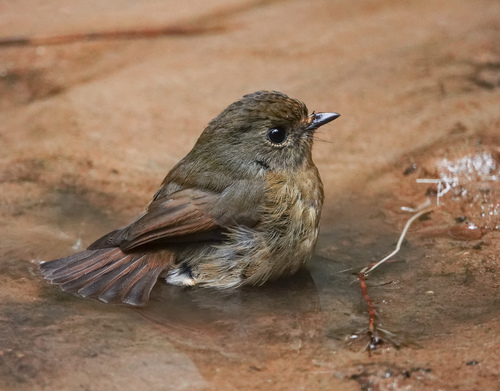 hill blue flycatcher
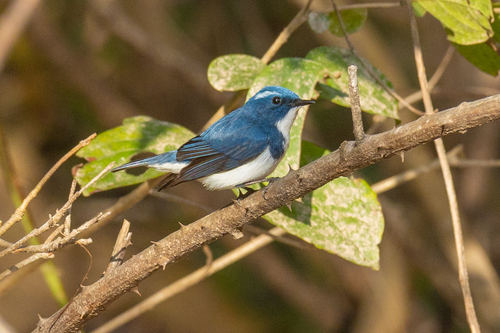 ultramarine flycatcher
Em resumo
A marca de campo mais confiável para separar hill blue flycatcher de ultramarine flycatcher é a presença de um supercílio branco ousado (sobrancelha) e manchas brancas na cauda em muitos ultramarine flycatchers, especialmente nos Himalaias ocidentais, que nunca são mostradas pelo Hill Blue. Hill Blue Flycatcher não apresenta branco na sobrancelha ou na cauda, e é um azul mais rico na parte superior com partes inferiores laranja, enquanto os machos de Ultramarine são azul profundo com um ventre branco limpo e frequentemente uma sobrancelha branca marcante. Plumagens juvenis e imaturas não são descritas em detalhes para nenhuma das espécies nestas notas, então concentre-se nos machos adultos e nas vistas típicas de campo. A estrutura é semelhante, mas Ultramarine é menor e mais robusto. O habitat e a distribuição se sobrepõem em partes do Nordeste da Índia, mas Ultramarine é um reprodutor himalaio e inverna mais ao sul, enquanto Hill Blue é residente do sul da China, Nordeste da Índia e Sudeste Asiático.
Dicas de identificação
- Supercílio branco (sobrancelha): Machos de ultramarine flycatcher (especialmente populações ocidentais) apresentam um supercílio branco ousado, que nunca está presente em hill blue flycatcher. Esta é a verificação de campo mais rápida na maior parte da área de distribuição.
- Manchas brancas na cauda: Procure por bases brancas nas penas da cauda externa em ultramarine flycatcher, especialmente em aves ocidentais. Hill Blue Flycatcher sempre tem uma cauda azul simples, sem branco.
- Cor das partes inferiores: Hill Blue Flycatcher tem laranja na garganta e no peito, desvanecendo para um tom esbranquiçado na barriga. Ultramarine Flycatcher tem um ventre branco limpo da garganta à barriga, sem tons laranja ou amarelos.
- Tom de azul nas partes superiores: Hill Blue é um azul mais rico, às vezes mais brilhante, enquanto Ultramarine é um azul mais profundo e escuro.
- Tamanho e estrutura: Ultramarine é menor, mais robusto e mais compacto que Hill Blue. Em comparação direta, Hill Blue parece maior e com cauda mais longa.
- Movimento da cauda: Ultramarine frequentemente sacode sua cauda e despenteia suas penas da cabeça, especialmente perto do ninho. Hill Blue é menos demonstrativo no movimento da cauda.
- Habitat e elevação: Nos Himalaias e no Nordeste da Índia, Ultramarine é encontrado em elevações mais altas (1800–3200 m) em florestas abertas e mistas, enquanto Hill Blue prefere florestas de baixa a média elevação na mesma região.
- Contexto sazonal: Se visto na Índia peninsular no inverno, é quase certamente Ultramarine, já que Hill Blue não inverna lá. No Sudeste Asiático, apenas Hill Blue é esperado.
- Confusão entre fêmeas e imaturos: Embora não descritas em detalhes, fêmeas e imaturos de ambas as espécies são provavelmente mais apagados, mas a presença ou ausência de branco na sobrancelha e na cauda continua sendo uma marca útil na maioria das populações.
- Variação clinal em Ultramarine: Esteja ciente de que ultramarine flycatchers orientais podem não ter um supercílio distinto e manchas brancas na cauda, então confie mais na cor das partes inferiores e no tamanho nessas regiões.
- Bandos de caça mistos: Ultramarine pode se juntar a bandos de espécies mistas no inverno, enquanto Hill Blue é mais solitário ou em pares.
- Empoleirado vs. em voo: Manchas brancas na cauda de Ultramarine podem ser mais óbvias quando a ave abre ou sacode sua cauda, então fique atento ao movimento da cauda.
- Sem padrão de asa juvenil distintivo: Nenhuma das espécies é descrita como tendo um padrão de asa superior juvenil ou de primeiro inverno diagnóstico nestas notas, então concentre-se nas marcas de campo dos machos adultos.
- Voz: Não descrita aqui; não confie na vocalização para separação com base nessas notas.
- Sobreposição geográfica: Em áreas onde ambas podem ocorrer (por exemplo, Nordeste da Índia), use uma combinação de supercílio, padrão da cauda, cor das partes inferiores e tamanho para melhores resultados.
Tamanho
Ultramarine Flycatcher é visivelmente menor e mais compacto que Hill Blue Flycatcher, com uma massa de cerca de 8 gramas (segundo o Wikidata). Hill Blue Flycatcher não tem um peso específico aqui, mas é geralmente um Cyornis de tamanho médio, maior que o ultramarine do tamanho de um pardal. No campo, Ultramarine pode parecer mais pequeno e com cauda curta, enquanto Hill Blue tem uma construção mais típica de flycatcher.
Plumagem
Para machos adultos, Hill Blue Flycatcher é um azul rico na parte superior com laranja na garganta e no peito, desvanecendo para um tom esbranquiçado na barriga. Nunca apresenta branco na sobrancelha ou na cauda. Machos de Ultramarine Flycatcher são azul profundo na parte superior, com um ventre branco limpo da garganta à barriga, e—especialmente nos Himalaias ocidentais—um supercílio branco proeminente e bases brancas nas penas da cauda externa. Essas marcas brancas são reduzidas ou ausentes em populações orientais e do sul, então tenha cuidado com essa variação clinal. Fêmeas e imaturos não são descritos em detalhes aqui, mas a presença ou ausência de branco na sobrancelha e na cauda continua sendo uma marca chave na maioria das populações. Nenhum padrão de asa juvenil ou de primeiro inverno distintivo é descrito para nenhuma das espécies nestas notas.
Comportamento
Ultramarine Flycatcher é frequentemente visto sozinho ou em bandos de caça mistos durante o inverno, mantendo-se em árvores baixas e arbustos e forrageando na copa da folhagem, raramente aventurando-se para o aberto. Frequentemente sacode sua cauda e pode despentear suas penas da cabeça, especialmente perto do ninho. O comportamento de Hill Blue Flycatcher não é detalhado aqui, mas como um Cyornis, é provável que seja mais reservado e menos propenso a exibições de sacudidas de cauda. Ambas as espécies são arbóreas e insetívoras.
Habitat
Hill Blue Flycatcher é encontrado no sul da China, no nordeste da Índia e no Sudeste Asiático, tipicamente em habitats florestais. Ultramarine Flycatcher se reproduz nos Himalaias ocidentais e orientais (1800–3200 m), em florestas abertas e mistas de carvalho, rododendro, pinheiro e abeto, e inverna no centro e na Índia peninsular, às vezes em pomares ou jardins. A sobreposição é possível no Nordeste da Índia, mas Ultramarine está mais associado a elevações mais altas e movimentos migratórios, enquanto Hill Blue é residente de florestas de baixa a média elevação.
hill blue flycatcher · ultramarine flycatcher · Minhas aves difíceis