

Hill Blue Flycatcher vs Ultramarine Flycatcher
Cyornis whitei contro Ficedula superciliaris
Fai un quiz con Hill Blue Flycatcher e Ultramarine Flycatcher
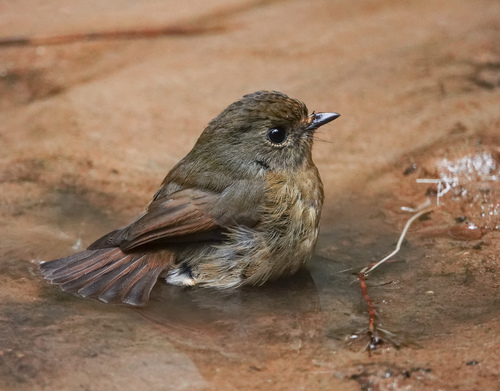 Hill Blue Flycatcher
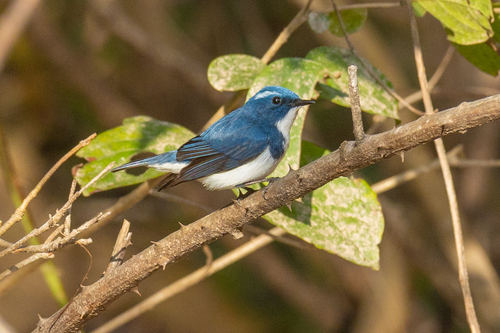 Ultramarine Flycatcher
In breve
Il segno di campo più affidabile per separare Hill Blue Flycatcher da Ultramarine Flycatcher è la presenza di un audace supercilio bianco (sopracciglio) e macchie bianche sulla coda in molti Ultramarine Flycatchers, specialmente nell'Himalaya occidentale, che non sono mai presenti in Hill Blue. Hill Blue Flycatcher non ha alcun bianco sulla fronte o sulla coda, ed è di un blu più ricco sopra con parti inferiori arancioni, mentre i maschi di Ultramarine sono blu profondo con un ventre bianco pulito e spesso un sopracciglio bianco sorprendente. Le piume giovanili e immature non sono descritte in dettaglio per nessuna delle due specie in queste note, quindi ci si concentra sui maschi adulti e sulle viste tipiche di campo. La struttura è simile, ma Ultramarine è più piccolo e robusto. L'habitat e l'areale si sovrappongono in alcune parti del Nordest dell'India, ma Ultramarine è un riproduttore himalayano e sverna più a sud, mentre Hill Blue è un residente della Cina meridionale, del Nordest dell'India e del Sud-est asiatico.
Consigli di identificazione
- Supercilio bianco (sopracciglio): I maschi di Ultramarine Flycatcher (specialmente le popolazioni occidentali) mostrano un audace supercilio bianco, che non è mai presente in Hill Blue Flycatcher. Questo è il controllo di campo più veloce nella maggior parte dell'areale.
- Macchie bianche sulla coda: Cerca le basi bianche delle penne esterne della coda in Ultramarine Flycatcher, specialmente negli uccelli occidentali. Hill Blue Flycatcher ha sempre una coda blu uniforme senza bianco.
- Colore delle parti inferiori: Hill Blue Flycatcher ha arancione sulla gola e sul petto, sfumando a biancastro sull'addome. Ultramarine Flycatcher ha un ventre bianco pulito dalla gola all'addome, senza toni arancioni o buff.
- Tono blu delle parti superiori: Hill Blue è un blu più ricco, a volte più brillante sopra, mentre Ultramarine è un blu più profondo e scuro.
- Dimensioni e struttura: Ultramarine è più piccolo, robusto e compatto rispetto a Hill Blue. In confronto diretto, Hill Blue appare più grande e con una coda più lunga.
- Movimento della coda: Ultramarine spesso scuote la coda e gonfia le piume della testa, specialmente vicino al nido. Hill Blue è meno dimostrativo nel movimento della coda.
- Habitat e altitudine: Negli Himalaya e nel Nordest dell'India, Ultramarine si trova a quote più elevate (1800–3200 m) in foreste aperte e miste, mentre Hill Blue preferisce foreste a bassa e media altitudine nella stessa regione.
- Contesto stagionale: Se visto nell'India peninsulare in inverno, è quasi certamente Ultramarine, poiché Hill Blue non sverna lì. Nel Sud-est asiatico, ci si aspetta solo Hill Blue.
- Confusione tra femmine e immature: Anche se non descritte in dettaglio, le femmine e le immature di entrambe le specie sono probabilmente più opache, ma la presenza o l'assenza di bianco sulla fronte e sulla coda rimane un segno utile nella maggior parte delle popolazioni.
- Variazione clinale in Ultramarine: Fai attenzione che gli Ultramarine Flycatchers orientali potrebbero mancare di un supercilio distinto e di macchie bianche sulla coda, quindi fai affidamento maggiormente sul colore delle parti inferiori e sulla dimensione in queste regioni.
- Gruppi di caccia misti: Ultramarine può unirsi a stormi di specie miste in inverno, mentre Hill Blue è più solitario o in coppia.
- In perching vs. in volo: Le macchie bianche sulla coda di Ultramarine possono essere più evidenti quando l'uccello apre o scuote la coda, quindi osserva il movimento della coda.
- Nessun modello distintivo di ali giovanili: Nessuna delle due specie è descritta come avente un modello diagnostico di ali giovanili o di primo inverno in queste note, quindi concentrati sui segni di campo dei maschi adulti.
- Voce: Non descritta qui; non fare affidamento sulla vocalizzazione per la separazione basata su queste note.
- Sovrapposizione geografica: Nelle aree in cui entrambe possono verificarsi (ad es., Nordest dell'India), utilizza una combinazione di supercilio, modello della coda, colore delle parti inferiori e dimensione per i migliori risultati.
Taglia
Ultramarine Flycatcher è visibilmente più piccolo e compatto rispetto a Hill Blue Flycatcher, con una massa di circa 8 grammi (secondo Wikidata). Hill Blue Flycatcher non ha un peso specifico qui, ma è generalmente un Cyornis di dimensioni medie, più grande dell'Ultramarine delle dimensioni di un passero. Sul campo, Ultramarine può apparire più piccolo e con una coda corta, mentre Hill Blue ha una struttura più tipica da catturatore.
Piumaggio
Per i maschi adulti, Hill Blue Flycatcher è di un blu ricco sopra con arancione sulla gola e sul petto, sfumando a biancastro sull'addome. Non mostra mai bianco sulla fronte o sulla coda. I maschi di Ultramarine Flycatcher sono blu profondo sopra, con un ventre bianco pulito dalla gola all'addome, e—specialmente nell'Himalaya occidentale—un prominente supercilio bianco e basi bianche delle penne esterne della coda. Questi segni bianchi sono ridotti o assenti nelle popolazioni orientali e meridionali, quindi fai attenzione a questa variazione clinale. Le femmine e le immature non sono descritte in dettaglio qui, ma la presenza o l'assenza di bianco sulla fronte e sulla coda rimane un segno chiave nella maggior parte delle popolazioni. Non sono descritti modelli distintivi di ali giovanili o di primo inverno per nessuna delle due specie in queste note.
Comportamento
Ultramarine Flycatcher è spesso visto singolarmente o in gruppi di caccia misti durante l'inverno, rimanendo su alberi e cespugli bassi e foraggiando nella chioma del fogliame, raramente avventurandosi in spazi aperti. Scuote frequentemente la coda e può gonfiare le piume della testa, specialmente vicino al nido. Il comportamento di Hill Blue Flycatcher non è dettagliato qui, ma come Cyornis, è probabile che sia più ritirato e meno incline a mostrare movimenti della coda. Entrambe le specie sono arboricole e insetti voraci.
Habitat
Hill Blue Flycatcher si trova nella Cina meridionale, nel Nordest dell'India e nel Sud-est asiatico, tipicamente in habitat forestali. Ultramarine Flycatcher si riproduce negli Himalaya occidentali e orientali (1800–3200 m), in foreste aperte e miste di quercia, rododendro, pino e abete, e sverna nell'India centrale e peninsulare, a volte in frutteti o giardini. È possibile una sovrapposizione nel Nordest dell'India, ma Ultramarine è più associato a quote più elevate e movimenti migratori, mentre Hill Blue è un residente di foreste a bassa e media altitudine.
Hill Blue Flycatcher · Ultramarine Flycatcher · I miei uccelli difficili