

Herring Gull vs gaivota-do-mar-de-bering
Larus argentatus versus Larus glaucescens
Jogue um quiz com Herring Gull e gaivota-do-mar-de-bering
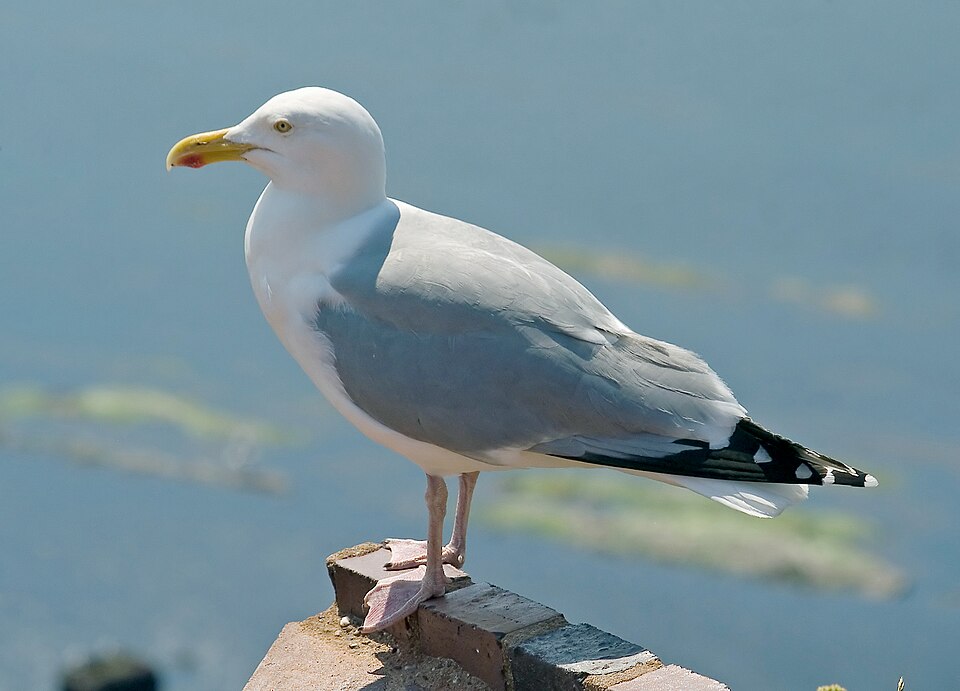 Herring Gull
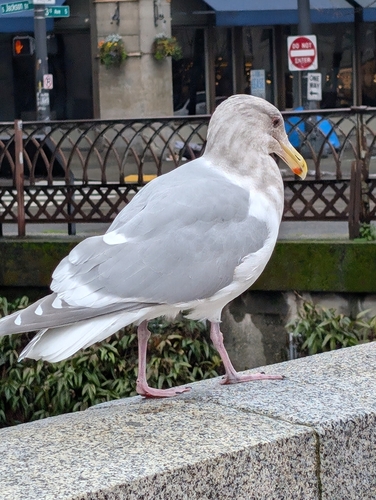 gaivota-do-mar-de-bering
Em resumo
A marca de campo mais confiável entre Herring Gull e gaivota-do-mar-de-bering é a cor das pontas das asas em adultos: Herring Gull tem pontas das asas pretas com 'espelhos' brancos, enquanto as pontas das asas da gaivota-do-mar-de-bering são cinza claro, combinando com o manto. Essa diferença é especialmente clara em voo ou quando as asas estão abertas. As plumagens juvenis e imaturas são mais desafiadoras, mas as Herring Gulls tendem a mostrar mais contraste e marcas mais escuras no geral. Ambas são gaivotas grandes, com pernas rosas e estrutura semelhante, então a atenção cuidadosa à cor das pontas das asas e ao tom geral é crítica. Híbridos podem complicar a situação, especialmente na costa do Pacífico, mas aves puras geralmente são separáveis com boas vistas.
Dicas de identificação
- Cor das pontas das asas (todas as estações): Herring Gull tem pontas das asas pretas com espelhos brancos; gaivota-do-mar-de-bering tem pontas das asas cinza claro, combinando com o manto. Esta é a marca de campo mais confiável, especialmente em voo ou com as asas abertas.
- Tom geral juvenil/imaturo: Juvenis de Herring Gulls são mais escuros e contrastantes, com listras marrons fortes e bicos/olhos escuros. Gaivotas-do-mar-de-bering são geralmente mais claras e mais uniformes, sem o contraste nítido da Herring Gull. Isso é sutil e melhor utilizado com experiência.
- Cor do bico e das pernas (adultos): Ambos têm bicos amarelos com uma mancha vermelha e pernas rosas, mas Herring Gull pode mostrar pernas amareladas em algumas aves do Báltico. Isso não é um separador forte, exceto em casos raros.
- Listras na cabeça (adultos não reprodutores): Herring Gull desenvolve listras marrons na cabeça e pescoço no inverno; a gaivota-do-mar-de-bering tipicamente tem menos listras na cabeça, mas isso é variável e nem sempre confiável.
- Cor dos olhos: Adultos de Herring Gull têm olhos claros com um anel orbital amarelo; a cor dos olhos da gaivota-do-mar-de-bering não é especificada, mas geralmente também é clara. Isso não é um separador forte entre os dois.
- Sombra do manto: O manto da Herring Gull é cinza claro; o manto da gaivota-do-mar-de-bering é ligeiramente mais escuro que o da gaivota-prateada, mas mais claro que a Herring e western gull. Na prática, isso é sutil e facilmente afetado pela iluminação.
- Projeção primária: Não detalhado nas notas, mas Herring Gull frequentemente mostra uma projeção primária mais longa além da cauda, o que pode fazer as asas parecerem mais longas e mais pontudas. As asas da gaivota-do-mar-de-bering podem parecer ligeiramente mais largas e mais obtusas. Use com cautela.
- Confusão de híbridos: No Noroeste do Pacífico, a gaivota-do-mar-de-bering frequentemente hibridiza com western gull e ocasionalmente com a gaivota-prateada-americana. Híbridos podem mostrar cores intermediárias nas pontas das asas e padrões confusos. Se as pontas das asas não forem claramente pretas ou claramente cinza claro, considere a possibilidade de híbrido.
- Contexto geográfico: Na Europa, uma gaivota grande com manto claro e pontas das asas pretas é quase certamente uma Herring Gull. Na costa do Pacífico, uma gaivota grande com pontas das asas cinza claro é provavelmente uma gaivota-do-mar-de-bering, mas verifique se há híbridos.
- Comportamento e habitat: Ambas as espécies são oportunistas e encontradas em habitats semelhantes; não confie no comportamento ou estilo de alimentação para separação.
- Sexo e idade: Machos são maiores em ambas as espécies, mas a sobreposição de tamanho é substancial. Diferenças de plumagem por idade são mais úteis, especialmente a cor das pontas das asas em adultos e o tom geral em juvenis.
- Em voo: Foque na cor das primárias mais externas—pretas na Herring, cinza claro na gaivota-do-mar-de-bering. Isso é visível de cima e de baixo em boa luz.
- Aves empoleiradas: Procure o contraste entre o manto e as pontas das asas. Herring Gulls mostram um contraste nítido entre preto e cinza; gaivotas-do-mar-de-bering têm uma aparência mais uniforme.
- Armadilhas: A iluminação pode fazer o cinza parecer mais escuro ou mais claro; sempre tente comparar várias aves lado a lado, se possível. Híbridos podem mostrar características intermediárias confusas.
- Quando em dúvida: Se você não consegue ver as pontas das asas claramente, ou a ave é um híbrido óbvio, não se comprometa demais—anote a incerteza e siga em frente.
Tamanho
Ambas as espécies são gaivotas grandes e se sobrepõem substancialmente em tamanho. Machos de Herring Gull medem 60–67 cm de comprimento, fêmeas 55–62 cm, com uma envergadura de 125–155 cm. A gaivota-do-mar-de-bering mede 50–68 cm de comprimento e 120–150 cm de envergadura. A massa corporal média é semelhante (Herring Gull: até ~1.525 g, gaivota-do-mar-de-bering: ~1.063 g em média, intervalo de 730–1.690 g). No campo, o tamanho sozinho não é um separador confiável, pois ambas podem parecer igualmente robustas e as diferenças de tamanho são sutis.
Plumagem
- Juvenil/Primeiro inverno: Juvenis de Herring Gull e aves de primeiro inverno são principalmente marrons com listras mais escuras, um bico escuro e olhos escuros. Juvenis de gaivota-do-mar-de-bering não são descritos em detalhes nas notas, mas geralmente têm uma aparência mais clara e uniforme, cinza-marron, sem o forte contraste e marcas escuras da Herring Gull.
- Segundo/Terceiro inverno: Herring Gulls no segundo inverno têm uma cabeça e partes inferiores mais brancas, menos listras, e um dorso cinza, enquanto aves de terceiro inverno são semelhantes aos adultos, mas com algumas marcas marrons nas asas e marcas escuras no bico. Imaturos de gaivota-do-mar-de-bering não são detalhados, mas tipicamente mostram uma transição gradual para a plumagem adulta com menos contraste no geral.
- Adulto reprodutor: Adultos de Herring Gull têm um dorso e asas superiores cinza claro, cabeça e partes inferiores brancas, e pontas das asas pretas com 'espelhos' brancos. Adultos de gaivota-do-mar-de-bering têm um manto cinza ligeiramente mais escuro que a gaivota-prateada, mas mais claro que a Herring, e crucialmente, as pontas das asas são cinza claro (não pretas), combinando com o manto. Ambos têm bicos amarelos com uma mancha vermelha e pernas rosas, mas Herring Gull pode mostrar pernas amareladas em algumas populações.
- Não reprodutor: Adultos de Herring Gull mostram listras marrons na cabeça e pescoço no inverno, enquanto adultos de gaivota-do-mar-de-bering não são descritos em detalhes, mas tipicamente têm menos listras na cabeça.
Comportamento
Ambas as espécies são onívoras e oportunistas, frequentando lixões, costas e áreas urbanas. Herring Gulls são conhecidas por soltar presas com casca para quebrá-las e podem enxaguar alimentos na água. Gaivotas-do-mar-de-bering são semelhantes em hábitos alimentares. O comportamento não é um separador confiável no campo.
Habitat
Herring Gull é amplamente distribuída pelo norte e oeste da Europa, frequentemente residente, mas às vezes migratória. A gaivota-do-mar-de-bering é uma espécie do Pacífico, encontrada do Alasca até o Noroeste do Pacífico. Em áreas de sobreposição (notavelmente no Alasca), híbridos podem ocorrer. O habitat sozinho não é diagnóstico, mas o contexto pode ajudar: Herring Gull é rara na costa do Pacífico da América do Norte, enquanto a gaivota-do-mar-de-bering é rara na Europa.
Herring Gull · gaivota-do-mar-de-bering · Minhas aves difíceis