

Herring Gull vs Glaucous-winged Gull
Larus argentatus contro Larus glaucescens
Fai un quiz con Herring Gull e Glaucous-winged Gull
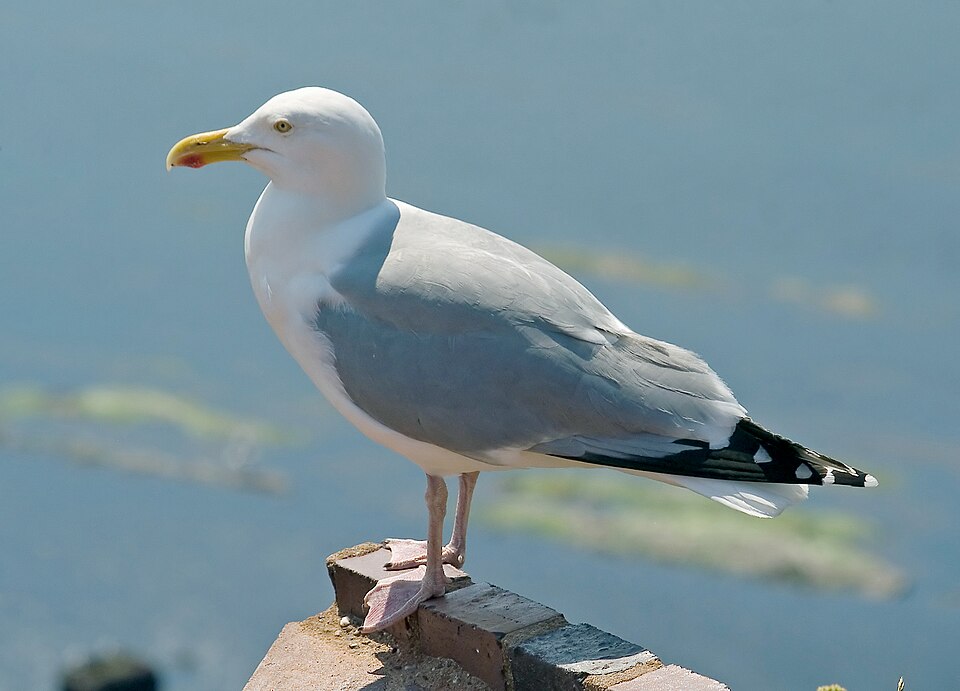 Herring Gull
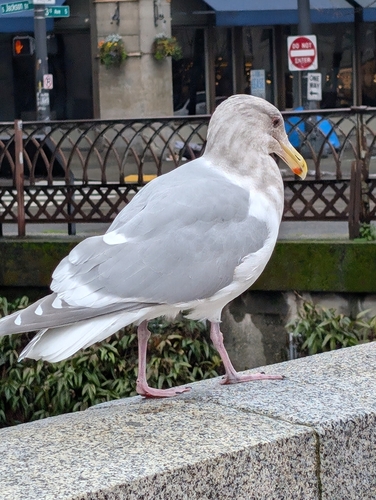 Glaucous-winged Gull
In breve
Il segno di campo più affidabile tra Herring Gull e Glaucous-winged Gull è il colore delle punte delle ali negli adulti: Herring Gull ha punte delle ali nere con 'specchi' bianchi, mentre le punte delle ali di Glaucous-winged Gull sono grigie chiare, in abbinamento al mantello. Questa differenza è particolarmente chiara in volo o quando le ali sono spiegate. Le piume giovanili e immature sono più difficili, ma gli Herring Gull tendono a mostrare più contrasto e segni più scuri in generale. Entrambi sono gabbiani grandi, con gambe rosa e struttura simile, quindi prestare attenzione al colore delle punte delle ali e al tono generale è fondamentale. Gli ibridi possono complicare la situazione, specialmente sulla costa del Pacifico, ma gli uccelli puri sono solitamente separabili con buone osservazioni.
Consigli di identificazione
- Colore delle punte delle ali adulte (tutte le stagioni): Herring Gull ha punte delle ali nere con specchi bianchi; Glaucous-winged Gull ha punte delle ali grigie chiare, in abbinamento al mantello. Questo è il segno di campo più affidabile, specialmente in volo o con le ali aperte.
- Tono generale giovanile/immaturo: Gli Herring Gull giovanili sono più scuri e contrastanti, con forti striature marroni e becchi/occhi scuri. I Glaucous-winged Gull sono generalmente più chiari e uniformi, privi del contrasto netto di Herring Gull. Questo è sottile e meglio utilizzato con esperienza.
- Colore del becco e delle gambe (adulti): Entrambi hanno becchi gialli con una macchia rossa e gambe rosa, ma Herring Gull può mostrare gambe giallastre in alcuni uccelli del Baltico. Questo non è un forte separatore tranne in rari casi.
- Striature sulla testa (adulti non in riproduzione): Herring Gull sviluppa striature marroni sulla testa e sul collo in inverno; Glaucous-winged Gull ha tipicamente meno striature sulla testa, ma questo è variabile e non sempre affidabile.
- Colore degli occhi: Gli adulti di Herring Gull hanno occhi chiari con un anello orbitale giallo; il colore degli occhi di Glaucous-winged Gull non è specificato ma è solitamente chiaro anche. Questo non è un forte separatore tra questi due.
- Tonalità del mantello: Il mantello di Herring Gull è grigio chiaro; il mantello di Glaucous-winged Gull è leggermente più scuro di Gabbiano glauco ma più chiaro di Herring e Western Gulls. In pratica, questo è sottile e facilmente influenzato dall'illuminazione.
- Proiezione primaria: Non dettagliata nelle note, ma Herring Gull mostra spesso una proiezione primaria più lunga oltre la coda, il che può far sembrare le ali più lunghe e appuntite. Le ali di Glaucous-winged Gull possono apparire leggermente più larghe e smussate. Usare con cautela.
- Confusione da ibridi: Nel Pacifico nord-occidentale, Glaucous-winged Gull ibrida frequentemente con Western Gull e occasionalmente con American Herring Gull. Gli ibridi possono mostrare colori delle punte delle ali intermedi e schemi confusi. Se le punte delle ali non sono chiaramente nere o chiaramente grigie chiare, considerare la possibilità di ibridi.
- Contesto geografico: In Europa, un grande gabbiano con mantello chiaro e punte delle ali nere è quasi certamente Herring Gull. Sulla costa del Pacifico, un grande gabbiano con punte delle ali grigie chiare è probabilmente Glaucous-winged, ma controllare per ibridi.
- Comportamento e habitat: Entrambe le specie sono opportunistiche e si trovano in habitat simili; non fare affidamento sul comportamento o sullo stile di alimentazione per la separazione.
- Sesso e età: I maschi sono più grandi in entrambe le specie, ma la sovrapposizione di dimensioni è sostanziale. Le differenze nel piumaggio in base all'età sono più utili, specialmente il colore delle punte delle ali negli adulti e il tono generale nei giovanili.
- In volo: Concentrarsi sul colore delle primarie più esterne—nere in Herring, grigie chiare in Glaucous-winged. Questo è visibile dall'alto e dal basso in buona luce.
- Uccelli in perche: Cercare il contrasto tra il mantello e le punte delle ali. Gli Herring Gull mostrano un netto contrasto nero e grigio; i Glaucous-winged Gull hanno un aspetto più uniforme.
- Trappole: L'illuminazione può far sembrare il grigio più scuro o più chiaro; provare sempre a confrontare più uccelli fianco a fianco se possibile. Gli ibridi possono mostrare caratteristiche intermedie confondenti.
- Quando in dubbio: Se non puoi vedere chiaramente le punte delle ali, o l'uccello è un evidente ibrido, non impegnarti troppo—nota l'incertezza e passa oltre.
Taglia
Entrambe le specie sono gabbiani grandi e sovrappongono sostanzialmente in dimensioni. I maschi di Herring Gull misurano 60–67 cm di lunghezza, le femmine 55–62 cm, con un'apertura alare di 125–155 cm. Glaucous-winged Gull misura 50–68 cm di lunghezza e 120–150 cm di apertura alare. La massa corporea media è simile (Herring Gull: fino a ~1.525 g, Glaucous-winged Gull: ~1.063 g in media, intervallo 730–1.690 g). Sul campo, la dimensione da sola non è un separatore affidabile, poiché entrambi possono apparire altrettanto robusti e le differenze di dimensioni sono sottili.
Piumaggio
- Giovanile/Primo inverno: Gli Herring Gull giovanili e gli uccelli di primo inverno sono principalmente marroni con striature più scure, un becco scuro e occhi scuri. I giovanili di Glaucous-winged Gull non sono descritti in dettaglio nelle note, ma generalmente hanno un aspetto marrone-grigiastro più chiaro e uniforme, privo del forte contrasto e dei segni scuri di Herring Gull.
- Secondo/Terzo inverno: Gli Herring Gull nel secondo inverno hanno una testa e parti inferiori più bianche, meno striature e un dorso grigio, mentre gli uccelli del terzo inverno sono simili agli adulti ma con alcune macchie marroni nelle ali e segni scuri sul becco. Gli immaturi di Glaucous-winged Gull non sono dettagliati, ma mostrano tipicamente una transizione graduale verso il piumaggio adulto con meno contrasto in generale.
- Adulto in riproduzione: Gli adulti di Herring Gull hanno un dorso e ali superiori grigio chiaro, testa e parti inferiori bianche, e punte delle ali nere con 'specchi' bianchi. Gli adulti di Glaucous-winged Gull hanno un mantello grigio leggermente più scuro di Gabbiano glauco ma più chiaro di Herring, e crucialmente, le punte delle ali sono grigie chiare (non nere), in abbinamento al mantello. Entrambi hanno becchi gialli con una macchia rossa e gambe rosa, ma Herring Gull può mostrare gambe giallastre in alcune popolazioni.
- Non in riproduzione: Gli adulti di Herring Gull mostrano striature marroni sulla testa e sul collo in inverno, mentre gli adulti di Glaucous-winged Gull non sono descritti in dettaglio ma tipicamente hanno meno striature sulla testa.
Comportamento
Entrambe le specie sono onnivore e opportunistiche, frequentando discariche, coste e aree urbane. Gli Herring Gull sono noti per far cadere prede con guscio per romperle e possono sciacquare il cibo in acqua. I Glaucous-winged Gull sono simili nelle abitudini alimentari. Il comportamento non è un separatore affidabile sul campo.
Habitat
Herring Gull è diffuso in tutta l'Europa settentrionale e occidentale, spesso residente ma talvolta migratorio. Glaucous-winged Gull è una specie del Pacifico, trovata dall'Alaska al Pacifico nord-occidentale. Nelle aree di sovrapposizione (in particolare in Alaska), possono verificarsi ibridi. L'habitat da solo non è diagnostico, ma il contesto può aiutare: Herring Gull è raro sulla costa del Pacifico del Nord America, mentre Glaucous-winged Gull è raro in Europa.
Herring Gull · Glaucous-winged Gull · I miei uccelli difficili