
batuiruçu-de-axila-preta vs borrelho-grande-de-coleira
Pluvialis squatarola versus Charadrius hiaticula
Jogue um quiz com batuiruçu-de-axila-preta e borrelho-grande-de-coleira
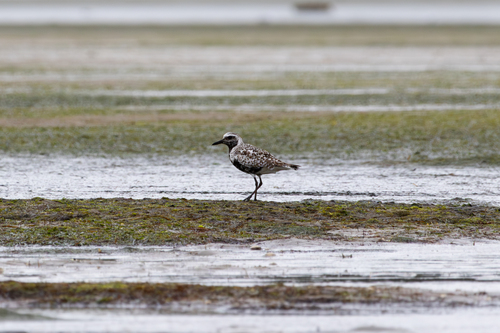 batuiruçu-de-axila-preta
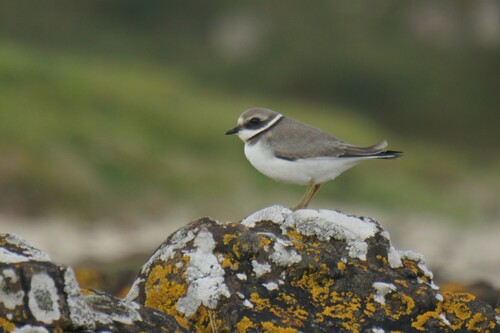 borrelho-grande-de-coleira
Em resumo
A marca de campo mais confiável para separar o batuiruçu-de-axila-preta do borrelho-grande-de-coleira, especialmente em voo, é a presença de axilares pretos sólidos (penas 'de axila' na parte inferior da asa) em todas as idades do batuiruçu-de-axila-preta—nunca mostrados pelo borrelho-grande-de-coleira. Os batuirucus-de-axila-preta juvenis e não reprodutores também apresentam um bico maior e mais pesado e uma estrutura mais robusta em comparação com o borrelho-grande-de-coleira, que é mais delicado e tem bico curto. No chão, o batuiruçu-de-axila-preta é muito maior e de pernas mais longas, com partes superiores cinzas simples no inverno, enquanto o borrelho-grande-de-coleira é compacto, com um padrão facial distinto e uma única faixa preta no peito. Sempre verifique a marca preta na parte inferior da asa em voo e compare o tamanho geral e a forma do bico quando as aves estiverem paradas.
Dicas de identificação
- Axilares pretos em voo (todas as idades): O batuiruçu-de-axila-preta sempre mostra axilares pretos sólidos e coberturas internas da parte inferior da asa em voo—esta é a marca mais confiável. O borrelho-grande-de-coleira nunca mostra preto aqui; sua parte inferior da asa é totalmente branca.
- Tamanho e estrutura: O batuiruçu-de-axila-preta é muito maior, mais alto e mais robusto que o borrelho-grande-de-coleira. Se vistos juntos, a diferença de tamanho é óbvia, mas mesmo sozinhos, o batuiruçu-de-axila-preta parece ter pernas longas e eretas, enquanto o borrelho-grande-de-coleira é atarracado e compacto.
- Forma e tamanho do bico: O batuiruçu-de-axila-preta tem um bico longo, grosso e pesado, totalmente preto (24–34 mm), enquanto o bico do borrelho-grande-de-coleira é curto, fino e laranja com a ponta preta em adultos (escuro em juvenis). O tamanho do bico é uma boa verificação a qualquer distância.
- Padrão do peito: O batuiruçu-de-axila-preta em plumagem reprodutiva tem um rosto, garganta, peito e barriga pretos sólidos com uma borda branca nítida; o borrelho-grande-de-coleira sempre tem uma única faixa preta limpa no peito, nunca uma barriga preta sólida.
- Padrão facial: O borrelho-grande-de-coleira mostra uma testa branca clara, máscara preta e boné marrom, dando uma aparência marcante de 'bandido'. O batuiruçu-de-axila-preta não possui esse padrão, especialmente em plumagem não reprodutiva, onde o rosto é cinza simples.
- Partes superiores no inverno/juvenil: O batuiruçu-de-axila-preta é cinza simples acima no inverno, com manchas pálidas sutis em juvenis. O borrelho-grande-de-coleira é marronzado acima, com um padrão facial e painel de asa mais contrastantes.
- Cor das pernas: O batuiruçu-de-axila-preta tem pernas pretas em todas as plumagens. O borrelho-grande-de-coleira adulto tem pernas laranja brilhante; os juvenis têm pernas cinza-amareladas opacas. A cor das pernas é útil em distâncias próximas.
- Cauda e rabo: Em voo, o batuiruçu-de-axila-preta tem um rabo e uma cauda brancos com listras pretas. O borrelho-grande-de-coleira tem uma cauda menos contrastante e não possui uma mancha branca na parte de trás.
- Comportamento: O batuiruçu-de-axila-preta é frequentemente solitário ou em pequenos grupos, fica ereto e é cauteloso. O borrelho-grande-de-coleira é mais propenso a estar em bandos, corre com paradas e arranques rápidos, e é menos ereto.
- Contexto de habitat: Em amplas e abertas planícies de maré, especialmente se sozinho ou com limícolas maiores, suspeite do batuiruçu-de-axila-preta. Em pequenas praias, cascalho ou misturado com outras pequenas limícolas, o borrelho-grande-de-coleira é mais provável.
- Confusão juvenil: O juvenil do batuiruçu-de-axila-preta pode parecer superficialmente semelhante ao borrelho-grande-de-coleira devido às penas com bordas pálidas, mas sempre verifique o tamanho, bico e axilares pretos em voo.
- Reprodução vs não reprodução: Apenas o batuiruçu-de-axila-preta mostra uma barriga e peito completamente pretos em plumagem reprodutiva; o borrelho-grande-de-coleira nunca faz isso.
- Cor do bico em juvenis: O juvenil do borrelho-grande-de-coleira tem um bico escuro, o que pode causar confusão, mas o bico é sempre muito mais curto e fino do que o do batuiruçu-de-axila-preta.
- Cor das pernas em juvenis: As pernas do juvenil do borrelho-grande-de-coleira são cinza-amareladas opacas, não laranja brilhante, mas ainda nunca pretas como as do batuiruçu-de-axila-preta.
- Bandos mistos: Se não tiver certeza, procure a maior ave mais ereta com um bico pesado e verifique os axilares pretos se alguma ave levantar voo.
Tamanho
O batuiruçu-de-axila-preta é substancialmente maior: 27–30 cm de comprimento com uma envergadura de 71–83 cm e pesando 190–280 g, em comparação com o comprimento de 17–19,5 cm do borrelho-grande-de-coleira, envergadura de 35–41 cm e uma construção muito mais leve. O batuiruçu-de-axila-preta parece alto, de pernas longas e robusto, enquanto o borrelho-grande-de-coleira é pequeno, compacto e baixo em relação ao chão. O bico do batuiruçu-de-axila-preta é visivelmente mais longo e pesado, enquanto o bico do borrelho-grande-de-coleira é curto e fino, com uma coloração distinta laranja e preta em adultos.
Plumagem
- Em voo (todas as idades): O batuiruçu-de-axila-preta sempre mostra axilares pretos sólidos e coberturas internas da parte inferior da asa, uma característica única entre os limícolas. O borrelho-grande-de-coleira tem partes inferiores da asa totalmente brancas, sem axilares pretos.
- Juvenil/primeiro inverno: O juvenil do batuiruçu-de-axila-preta é semelhante ao adulto de inverno, mas com penas das costas mais escuras com bordas brancas cremosas; ainda mostra axilares pretos em voo. O juvenil do borrelho-grande-de-coleira é mais opaco que os adultos, com uma faixa no peito menos distinta e muitas vezes incompleta, bico escuro e pernas cinza-amareladas opacas, mas nunca mostra axilares pretos.
- Adulto reprodutor: O batuiruçu-de-axila-preta tem um rosto, pescoço, peito e barriga pretos impressionantes com uma borda branca e rabo; o borrelho-grande-de-coleira tem uma única faixa preta no pescoço, testa branca e máscara preta, sem preto extenso abaixo.
- Adulto não reprodutor: O batuiruçu-de-axila-preta é cinza simples acima, com manchas cinzas no peito, branco abaixo e ainda mostra axilares pretos em voo. O borrelho-grande-de-coleira permanece marronzado acima, com um padrão facial claro e uma única faixa no peito.
Comportamento
O batuiruçu-de-axila-preta frequentemente fica ereto, parecendo alerta e alto, e pode ser visto sozinho ou em pequenos grupos, especialmente em planícies costeiras abertas. Tende a ser cauteloso e rápido para levantar voo. O borrelho-grande-de-coleira é mais propenso a ser visto em bandos apertados, frequentemente correndo com arranques rápidos e curtos e parando para se alimentar. Sua alimentação é mais frenética e próxima ao chão, e é menos provável que fique ereto por longos períodos.
Habitat
Ambas as espécies ocorrem em bancos de lama costeiros e praias arenosas fora da temporada de reprodução, mas o batuiruçu-de-axila-preta é mais estritamente costeiro e prefere amplas planícies de maré abertas. O borrelho-grande-de-coleira também pode ser encontrado em áreas interiores de cascalho, seixos ou margens de rios arenosos, e se reproduz mais ao sul e em uma variedade mais ampla de habitats abertos. No inverno, o borrelho-grande-de-coleira é comum em pequenas praias e estuários, às vezes misturando-se com outras pequenas limícolas.
batuiruçu-de-axila-preta · borrelho-grande-de-coleira · Minhas aves difíceis