
Chorlito Gris vs Chorlitejo Grande
Pluvialis squatarola frente a Charadrius hiaticula
Juega un quiz con Chorlito Gris y Chorlitejo Grande
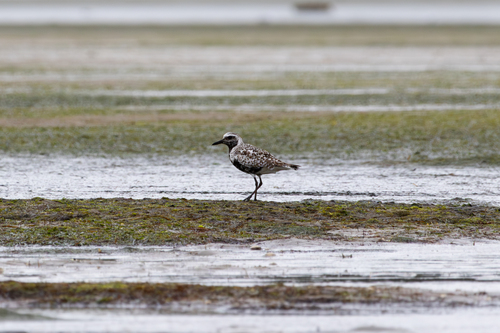 Chorlito Gris
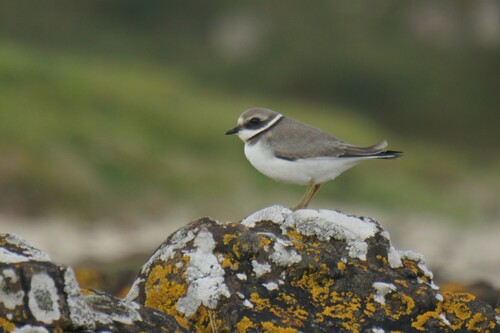 Chorlitejo Grande
En breve
La marca de campo más confiable para separar el Chorlito Gris del Chorlitejo Grande, especialmente en vuelo, es la presencia de axilares negros sólidos (plumas de 'axila' en el ala inferior) en todas las edades del Chorlito Gris—nunca mostrados por el Chorlitejo Grande. Los Chorlitos Grises juveniles y no reproductores también muestran un pico más grande y pesado y una estructura más robusta en comparación con el más delicado Chorlitejo Grande de pico corto. En el suelo, el Chorlito Gris es mucho más grande y de patas más largas, con partes superiores de color gris liso en invierno, mientras que el Chorlitejo Grande es compacto, con un patrón facial distintivo y una banda negra en el pecho. Siempre verifica la marca negra en el ala inferior en vuelo y compara el tamaño general y la forma del pico cuando los pájaros están en reposo.
Consejos de identificación
- Axilares negros en vuelo (todas las edades): El Chorlito Gris siempre muestra axilares negros sólidos y cobertoras internas del ala inferior en vuelo—esta es la marca más confiable. El Chorlitejo Grande nunca muestra negro aquí; su ala inferior es completamente blanca.
- Tamaño y estructura: El Chorlito Gris es mucho más grande, más alto y más robusto que el Chorlitejo Grande. Si se ven juntos, la diferencia de tamaño es obvia, pero incluso individualmente, el Chorlito Gris parece de patas largas y erguido, mientras que el Chorlitejo Grande es bajo y compacto.
- Forma y tamaño del pico: El Chorlito Gris tiene un pico largo, grueso y pesado de color negro sólido (24–34 mm), mientras que el pico del Chorlitejo Grande es corto, fino y naranja con una punta negra en los adultos (oscuro en los juveniles). El tamaño del pico es una buena verificación a cualquier distancia.
- Patrón del pecho: El Chorlito Gris en plumaje de cría tiene un rostro, garganta, pecho y vientre negros sólidos con un borde blanco nítido; el Chorlitejo Grande siempre tiene una banda negra en el pecho, nunca un vientre negro sólido.
- Patrón facial: El Chorlitejo Grande muestra una frente blanca clara, una máscara negra y una gorra marrón, dando un aspecto llamativo de 'bandido'. El Chorlito Gris carece de este patrón, especialmente en plumaje no reproductor, donde el rostro es de un gris liso.
- Partes superiores en invierno/juvenil: El Chorlito Gris es de un gris liso arriba en invierno, con manchas pálidas sutiles en los juveniles. El Chorlitejo Grande es marrón arriba, con un rostro y panel de alas más contrastantes.
- Color de las patas: El Chorlito Gris tiene patas negras en todos los plumajes. El Chorlitejo Grande adulto tiene patas de un naranja brillante; los juveniles tienen patas de un gris amarillento apagado. El color de las patas es útil a corta distancia.
- Cola y rabadilla: En vuelo, el Chorlito Gris tiene una rabadilla y cola blancas con bandas negras. El Chorlitejo Grande tiene una cola menos contrastante y no tiene parche blanco en la rabadilla.
- Comportamiento: El Chorlito Gris es a menudo solitario o en pequeños grupos, se mantiene erguido y es cauteloso. El Chorlitejo Grande es más propenso a estar en bandadas, corre con paradas y arranques rápidos, y es menos erguido.
- Contexto de hábitat: En amplias y abiertas planicies intermareales, especialmente si está solo o con zancudas más grandes, sospecha del Chorlito Gris. En pequeñas playas, grava o mezclado con otras zancudas pequeñas, es más probable que se trate del Chorlitejo Grande.
- Confusión juvenil: El Chorlito Gris juvenil puede parecer superficialmente similar al Chorlitejo Grande debido a las plumas con bordes pálidos, pero siempre verifica el tamaño, el pico y los axilares negros en vuelo.
- Reproducción vs no reproducción: Solo el Chorlito Gris muestra un vientre y pecho completamente negros en plumaje de cría; el Chorlitejo Grande nunca lo hace.
- Color del pico en juveniles: El Chorlitejo Grande juvenil tiene un pico oscuro, lo que puede causar confusión, pero el pico siempre es mucho más corto y fino que el del Chorlito Gris.
- Color de las patas en juveniles: Las patas del Chorlitejo Grande juvenil son de un gris amarillento apagado, no de un naranja brillante, pero aún así nunca son negras como las del Chorlito Gris.
- Bandadas mixtas: Si no estás seguro, busca el pájaro más grande y erguido con un pico pesado y verifica los axilares negros si algún pájaro toma vuelo.
Tamaño
El Chorlito Gris es sustancialmente más grande: 27–30 cm de longitud con una envergadura de 71–83 cm y un peso de 190–280 g, frente a los 17–19.5 cm de longitud, 35–41 cm de envergadura y una construcción mucho más ligera del Chorlitejo Grande. El Chorlito Gris parece alto, de patas largas y robusto, mientras que el Chorlitejo Grande es pequeño, compacto y bajo al suelo. El pico del Chorlito Gris es notablemente más largo y pesado, mientras que el pico del Chorlitejo Grande es corto y fino, con una coloración distintiva de naranja y negro en los adultos.
Plumaje
- En vuelo (todas las edades): El Chorlito Gris siempre muestra axilares negros sólidos y cobertoras internas del ala inferior, una característica única entre los chorlitos. El Chorlitejo Grande tiene alas inferiores completamente blancas sin axilares negros.
- Juvenil/primer invierno: El Chorlito Gris juvenil es similar al adulto en invierno pero con plumas de la espalda más negras bordeadas de blanco cremoso; aún muestra axilares negros en vuelo. El Chorlitejo Grande juvenil es más apagado que los adultos, con una banda en el pecho menos distintiva y a menudo incompleta, pico oscuro y patas de un gris amarillento apagado, pero nunca muestra axilares negros.
- Adulto en cría: El Chorlito Gris tiene un rostro, cuello, pecho y vientre negros llamativos con un borde blanco y rabadilla; el Chorlitejo Grande tiene una banda negra en el cuello, frente blanca y máscara negra, sin negro extenso debajo.
- Adulto no reproductor: El Chorlito Gris es de un gris liso arriba, con manchas grises en el pecho, blanco por debajo, y aún muestra axilares negros en vuelo. El Chorlitejo Grande permanece marrón arriba, con un patrón facial claro y una banda en el pecho.
Comportamiento
El Chorlito Gris a menudo se mantiene erguido, pareciendo alerta y alto, y puede verse solo o en pequeños grupos, especialmente en planicies costeras abiertas. Tiende a ser cauteloso y rápido para despegar. El Chorlitejo Grande es más propenso a verse en bandadas compactas, a menudo corriendo con ráfagas rápidas y cortas y deteniéndose para alimentarse. Su alimentación es más frenética y cerca del suelo, y es menos probable que se mantenga erguido por largos períodos.
Hábitat
Ambas especies ocurren en llanuras intermareales costeras y playas de arena fuera de la temporada de cría, pero el Chorlito Gris es más estrictamente costero y prefiere amplias planicies intermareales abiertas. El Chorlitejo Grande también se puede encontrar en el interior en grava, canto o bancos de arena de ríos, y cría más al sur y en una variedad más amplia de hábitats abiertos. En invierno, el Chorlitejo Grande es común en pequeñas playas y estuarios, a veces mezclándose con otras zancudas pequeñas.