

calhandrinha-galucha vs calhandra-real
Calandrella brachydactyla versus Melanocorypha calandra
Jogue um quiz com calhandrinha-galucha e calhandra-real
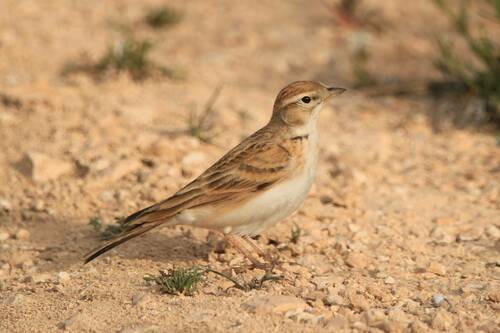 calhandrinha-galucha
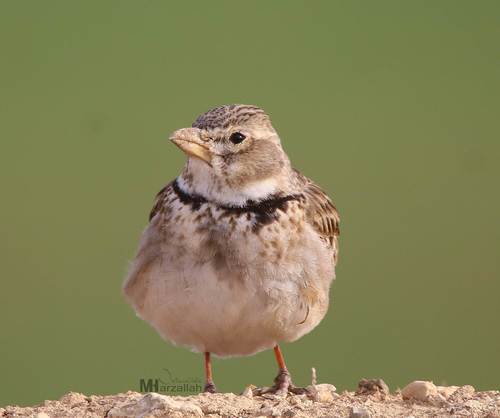 calhandra-real
Em resumo
A marca de campo mais confiável para separar a calhandrinha-galucha da calhandra-real é o tamanho e a estrutura geral: a calhandra-real é muito maior e mais robusta, com uma construção mais pesada e um bico distintamente grosso, enquanto a calhandrinha-galucha é visivelmente menor, mais esbelta e mais delicada. Em voo, a calhandra-real exibe asas inferiores largas e escuras e uma cauda curta com bordas brancas, que estão ausentes na calhandrinha-galucha. Ambas as espécies têm supercílios pálidos e partes superiores estriadas, mas os padrões de asas e cauda da calhandra-real são muito mais marcantes em voo. Se você ver uma ala com um hábito de agrupamento compacto e plumagem pálida e finamente estriada, especialmente na Europa ou no Norte da África, verifique o tamanho e a forma do bico para evitar confusões.
Dicas de identificação
- Tamanho e Estrutura: A calhandra-real é muito maior e mais robusta do que a calhandrinha-galucha. Se o pássaro parecer robusto, com pescoço grosso e bico pesado, suspeite da calhandra. Se for pequeno, esbelto e delicado, a calhandrinha-galucha é mais provável. Isso é confiável em todas as idades e estações.
- Forma do Bico: A calhandra-real tem um bico grosso e forte com uma base pesada, enquanto o bico da calhandrinha-galucha é mais curto, mais fino e mais pontudo. Isso é especialmente claro quando os pássaros estão lado a lado ou a curta distância.
- Padrão de Voo e Forma das Asas: Em voo, a calhandra-real exibe asas largas e arredondadas com asas inferiores escuras e uma cauda curta com bordas brancas. A calhandrinha-galucha tem asas mais estreitas e pontudas, asas inferiores pálidas e uma cauda escura sem bordas brancas fortes. Isso é mais útil em pássaros assustados ou em voo de qualquer idade.
- Padrão da Cauda: Procure pela cauda curta com bordas brancas na calhandra-real em voo. A cauda da calhandrinha-galucha é mais escura e não possui as bordas brancas marcantes.
- Tom da Plumagem: A calhandrinha-galucha é mais pálida e mais finamente estriada acima, com uma aparência geralmente desbotada. A calhandra-real é mais escura, com estrias mais pesadas e um padrão de cabeça mais contrastante.
- Supercílios: Ambas as espécies têm supercílios pálidos, mas o da calhandrinha-galucha é geralmente mais claro e óbvio, especialmente em pássaros mais claros. O supercílios da calhandra-real pode ser menos distinto devido ao seu padrão de cabeça mais pesado.
- Manchas no Pescoço: Ambas as espécies podem mostrar manchas escuras nos lados do pescoço, mas estas são mais proeminentes e bem definidas na calhandra-real.
- Cor da Coroa: Algumas calhandrinhas-galuchas ocidentais mostram uma coroa ruiva, que não é vista na calhandra-real. Use isso apenas se a coroa for claramente ruiva.
- Comportamento de Agrupamento: Bandos grandes, compactos e que voam em sincronia são típicos da calhandrinha-galucha, especialmente no inverno. A calhandra-real é mais frequentemente vista em grupos menores ou em pares.
- Habitat: Se o pássaro estiver em solo muito seco, nu ou escassamente vegetado, a calhandrinha-galucha é mais provável. A calhandra-real prefere campos de gramíneas mais ricos e campos de cereais.
- Canto: O canto da calhandra-real é rico, melodioso e de longa distância, frequentemente emitido em voo de exibição. O canto da calhandrinha-galucha é um trinado seco ou uma melodia simples, menos musical e mais suave.
- Dormindo e Bebendo: Os bandos de calhandrinhas-galuchas frequentemente voam juntos para beber pela manhã e dormem em solo aberto à noite, cada pássaro em uma pequena depressão. Esse comportamento é menos típico da calhandra-real.
- Sexos e Idades: Ambas as espécies são semelhantes entre os sexos e não mostram diferenças marcantes de plumagem relacionadas à idade em campo, portanto, confie na estrutura e no padrão de voo em vez de marcas sutis de plumagem.
- Armadilhas: Cuidado com a confusão com outras alaudíneas, mas entre essas duas, o tamanho e o padrão de voo são os mais confiáveis. Alaudíneas pálidas e pequenas em bandos compactos são quase sempre calhandrinhas-galuchas; alaudíneas grandes e pesadas com padrões de asas/cauda marcantes são calhandras.
- Quando em Dúvida: Se você não conseguir julgar o tamanho ou ver o bico, tente assustar o pássaro e observe o padrão das asas inferiores e da cauda em voo—isso é frequentemente decisivo.
Tamanho
A calhandra-real é substancialmente maior e mais pesada do que a calhandrinha-galucha, com uma massa corporal adulta em torno de 59 g [wikidata], tornando-a uma das alaudíneas mais robustas em sua área. A calhandrinha-galucha é muito menor e mais leve, com uma impressão geral mais delicada. A diferença é frequentemente óbvia mesmo à distância: a calhandra-real parece robusta e compacta, enquanto a calhandrinha-galucha é compacta, mas esbelta e delicada. Essa diferença de tamanho é um dos pontos de separação mais imediatos e confiáveis em campo.
Plumagem
Nenhuma marca de padrão de voo específica para idade ou juvenil é descrita para qualquer uma das espécies nas fontes, portanto, o foco está na plumagem adulta e geral. A calhandra-real em voo exibe asas curtas e largas com asas inferiores claramente escuras e uma cauda curta com bordas brancas—esse contraste ousado não está presente na calhandrinha-galucha, que tem asas inferiores pálidas e uma cauda escura sem bordas brancas fortes. Ambas as espécies são estriadas de marrom acima e pálidas abaixo, mas a calhandrinha-galucha é mais pálida em geral, com estrias mais finas e uma aparência mais desbotada. As partes superiores da calhandra-real são mais escuras e mais pesadamente estriadas, e suas partes inferiores são limpas, mas com manchas escuras proeminentes nos lados do pescoço. Ambas têm supercílios pálidos, mas o da calhandra-real é frequentemente menos distinto devido ao seu padrão de cabeça mais pesado. Algumas calhandrinhas-galuchas (especialmente pássaros ocidentais) podem mostrar uma coroa ruiva, que a calhandra-real não possui. Os sexos são semelhantes em ambas as espécies.
Comportamento
A calhandrinha-galucha frequentemente forma grandes bandos compactos, especialmente no inverno, voando em sincronia e se movendo para locais de água ou descanso juntos. A calhandra-real é geralmente vista em grupos menores ou em pares, e seu voo é mais lento e mais poderoso, combinando com sua construção mais pesada. A calhandra-real pode parecer mais lenta no solo, enquanto a calhandrinha-galucha é mais ativa e ágil, frequentemente se alimentando em solo aberto e nu e rapidamente levantando voo em grupo.
Habitat
Ambas as espécies preferem áreas abertas, mas a calhandrinha-galucha é mais provável de ser encontrada em solo seco, nu ou escassamente vegetado, incluindo estepes, semi-desertos e campos cultivados. A calhandra-real também prefere habitats abertos, mas tende a selecionar gramados mais ricos, campos de cereais e estepe mais produtiva, frequentemente com vegetação mais alta. Seus habitats se sobrepõem no sul da Europa e no Mediterrâneo, mas a calhandra-real se estende mais para o leste, até o sul da Rússia e Irã, enquanto a calhandrinha-galucha tem uma distribuição mais ampla, incluindo o Norte da África e a Ásia Central.
Voz
O canto da calhandrinha-galucha é um trinado seco, às vezes mais variado e imitativo, mas geralmente menos musical do que o da calhandra-real. A calhandra-real é conhecida por seu canto rico, melodioso e de longa distância, frequentemente emitido em voo de exibição. Embora ambas possam ser ouvidas cantando em voo, a voz da calhandra-real é mais poderosa e complexa, enquanto a da calhandrinha-galucha é mais suave e menos variada.
calhandrinha-galucha · calhandra-real · Minhas aves difíceis