

Calandrella vs Calandra
Calandrella brachydactyla contro Melanocorypha calandra
Fai un quiz con Calandrella e Calandra
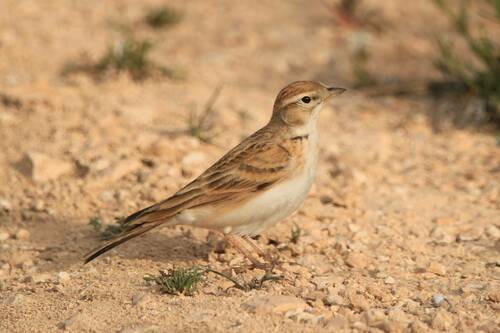 Calandrella
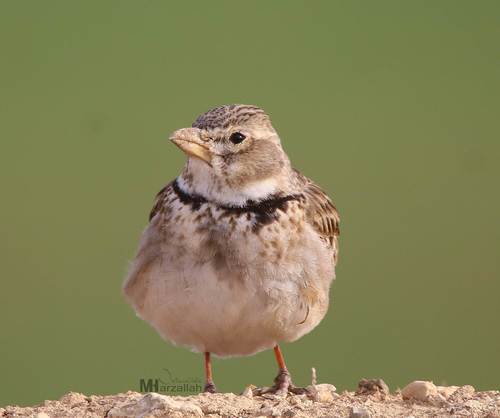 Calandra
In breve
Il segno di campo più affidabile per separare la Calandrella dalla Calandra è la dimensione e la struttura complessiva: la Calandra è molto più grande e robusta, con una corporatura più pesante e un becco distintamente spesso, mentre la Calandrella è notevolmente più piccola, snella e più delicata. In volo, la Calandra mostra ampie ali inferiori scure e una coda corta con bordi bianchi, che sono assenti nella Calandrella. Entrambe le specie hanno sopracciglia chiare e parti superiori striate, ma i motivi delle ali e della coda della Calandra sono molto più evidenti in volo. Se vedi un'allodola con un'abitudine di raggruppamento compatta e piumaggio chiaro e finemente striato, specialmente in Europa o Nord Africa, controlla la dimensione e la forma del becco per evitare confusione.
Consigli di identificazione
- Dimensione e Struttura: La Calandra è molto più grande e robusta della Calandrella. Se l'uccello appare robusto, con collo spesso e becco pesante, sospetta la Calandra. Se è piccolo, snello e delicato, è più probabile che sia la Calandrella. Questo è affidabile in tutte le età e stagioni.
- Forma del Becco: La Calandra ha un becco spesso e robusto con una base pesante, mentre il becco della Calandrella è più corto, più fine e più appuntito. Questo è particolarmente chiaro quando gli uccelli sono affiancati o a distanza ravvicinata.
- Motivo di Volo e Forma delle Ali: In volo, la Calandra mostra ali ampie e arrotondate con ali inferiori scure e una coda corta con bordi bianchi. La Calandrella ha ali più strette e appuntite, ali inferiori chiare e una coda scura senza bordi bianchi forti. Questo è più utile su uccelli spaventati o in volo di qualsiasi età.
- Motivo della Coda: Cerca la coda corta con bordi bianchi sulla Calandra in volo. La coda della Calandrella è più scura e priva di bordi bianchi evidenti.
- Tono del Piumaggio: La Calandrella è più chiara e più finemente striata sopra, con un aspetto generalmente sbiadito. La Calandra è più scura, con striature più pesanti e un motivo della testa più contrastante.
- Sopracciglio: Entrambe le specie hanno sopracciglia chiare, ma quella della Calandrella è solitamente più chiara e più evidente, specialmente sugli uccelli più chiari. La sopracciglia della Calandra può essere meno distinta a causa del suo motivo della testa più pesante.
- Macchie sul Collo: Entrambe le specie possono mostrare macchie scure sui lati del collo, ma queste sono più prominenti e nettamente definite nella Calandra.
- Colore della Corona: Alcune Calandrella occidentali mostrano una corona rugginosa, che non si vede nella Calandra. Usa questo solo se la corona è chiaramente rugginosa.
- Comportamento di Raggruppamento: Flock di grandi dimensioni, compatti e volanti in sincronia sono tipici della Calandrella, specialmente in inverno. La Calandra è più spesso vista in gruppi più piccoli o coppie.
- Habitat: Se l'uccello si trova in terreno molto secco, nudo o scarsamente vegetato, è più probabile che sia la Calandrella. La Calandra preferisce praterie più ricche e campi di cereali.
- Canto: Il canto della Calandra è ricco, melodioso e lontano, spesso emesso in volo di display. Il canto della Calandrella è un cinguettio secco o una melodia semplice, meno musicale e più silenziosa.
- Riposare e Abbeverarsi: I gruppi di Calandrella spesso volano insieme per abbeverarsi al mattino e riposano in terreno aperto la sera, ogni uccello in una piccola depressione. Questo comportamento è meno tipico della Calandra.
- Sessi e Età: Entrambe le specie sono simili tra i sessi e non mostrano forti differenze di piumaggio legate all'età sul campo, quindi fai affidamento sulla struttura e sul motivo di volo piuttosto che su segni di piumaggio sottili.
- Trappole: Fai attenzione alla confusione con altre allodole, ma tra queste due, dimensione e motivo di volo sono i più affidabili. Le allodole chiare e piccole in gruppi compatti sono quasi sempre Calandrella; le allodole grandi e pesanti con motivi di ali/coda audaci sono Calandra.
- Quando in Dubbio: Se non riesci a giudicare la dimensione o vedere il becco, prova a spaventare l'uccello e osserva il motivo delle ali inferiori e della coda in volo—questo è spesso decisivo.
Taglia
La Calandra è sostanzialmente più grande e pesante della Calandrella, con una massa corporea adulta di circa 59 g [wikidata], rendendola una delle allodole più robuste nel suo areale. La Calandrella è molto più piccola e leggera, con un'impressione complessiva più delicata. La differenza è spesso ovvia anche a distanza: la Calandra appare robusta e massiccia, mentre la Calandrella è compatta ma snella e graziosa. Questo divario di dimensione è uno dei punti di separazione più immediati e affidabili sul campo.
Piumaggio
Nessun segno specifico per l'età o per il volo giovanile è descritto per entrambe le specie nelle fonti, quindi ci si concentra sul piumaggio adulto e generale. La Calandra in volo mostra ali corte e larghe con ali inferiori distintamente scure e una coda corta bordata di bianco—questo forte contrasto non è presente nella Calandrella, che ha ali inferiori chiare e una coda scura senza bordi bianchi forti. Entrambe le specie sono striate di marrone sopra e chiare sotto, ma la Calandrella è complessivamente più chiara, con striature più fini e un aspetto più sbiadito. Le parti superiori della Calandra sono più scure e più pesantemente striate, e le sue parti inferiori sono pulite ma con macchie scure prominenti sui lati del collo. Entrambe hanno sopracciglia chiare, ma quella della Calandra è spesso meno distinta a causa del suo motivo della testa più pesante. Alcune Calandrella (soprattutto gli uccelli occidentali) possono mostrare una corona rugginosa, che la Calandra non ha. I sessi sono simili in entrambe le specie.
Comportamento
La Calandrella forma spesso grandi gruppi compatti, specialmente in inverno, volando in sincronia e spostandosi insieme verso fonti d'acqua o siti di riposo. La Calandra è solitamente vista in gruppi più piccoli o coppie, e il suo volo è più lento e potente, in linea con la sua corporatura più pesante. La Calandra può apparire più lenta a terra, mentre la Calandrella è più attiva e agile, spesso nutrendosi in terreni aperti e nudi e decollando rapidamente come gruppo.
Habitat
Entrambe le specie preferiscono il paese aperto, ma la Calandrella è più probabile che si trovi in terreni secchi, nudi o scarsamente vegetati, inclusi steppa, semi-deserto e campi coltivati. La Calandra preferisce anche habitat aperti ma tende a selezionare praterie più ricche, campi di cereali e steppe più produttive, spesso con vegetazione più alta. I loro areali si sovrappongono nel sud Europa e nel Mediterraneo, ma la Calandra si estende ulteriormente a est nel sud della Russia e in Iran, mentre la Calandrella ha un areale più ampio che include il Nord Africa e l'Asia Centrale.
Voce
Il canto della Calandrella è un cinguettio secco, a volte più vario e imitatore, ma generalmente meno musicale della Calandra. La Calandra è nota per il suo canto ricco, melodioso e lontano, spesso emesso in volo di display. Mentre entrambe possono essere sentite cantare in volo, la voce della Calandra è più potente e complessa, mentre quella della Calandrella è più morbida e meno varia.