

Motmot

ニシヒメコウテンシ 対 クロエリコウテンシ

Calandrella brachydactyla 対 Melanocorypha calandra

ニシヒメコウテンシとクロエリコウテンシのクイズ
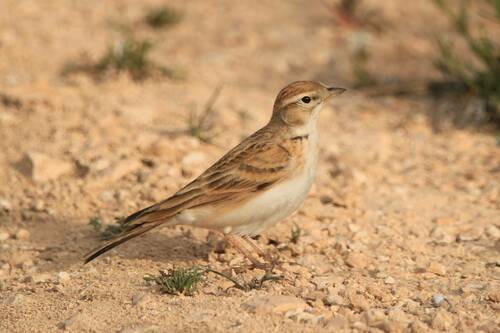
ニシヒメコウテンシ (Calandrella brachydactyla) ニシヒメコウテンシ
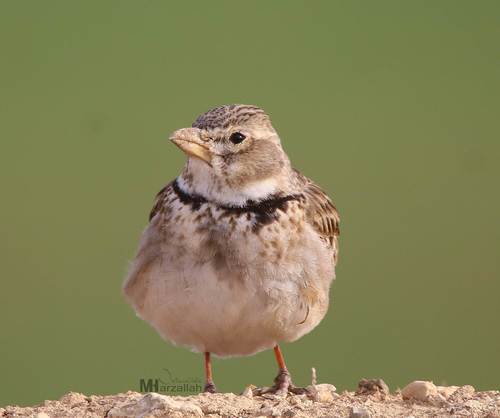
クロエリコウテンシ (Melanocorypha calandra) クロエリコウテンシ

メディア

読み込み中…

要点

ニシヒメコウテンシとクロエリコウテンシを区別する最も信頼できるフィールドマークは、サイズと全体的な構造です:クロエリコウテンシははるかに大きく、ずんぐりした体型で、重い体格と明らかに太いくちばしを持っています。一方、ニシヒメコウテンシは明らかに小さく、スリムで、より繊細です。飛行中、クロエリコウテンシは広くて暗い下翼と短い白い縁の尾を示しますが、これはニシヒメコウテンシにはありません。両種ともに淡い眉斑と縞模様の上面を持っていますが、クロエリコウテンシの翼と尾の模様は飛行中により際立っています。特にヨーロッパや北アフリカで、コンパクトな群れを形成し、淡く細かい縞模様の羽毛を持つヒメコウテンシを見た場合は、混乱を避けるためにサイズとくちばしの形を確認してください。

識別のコツ

  1. Size and Structure: クロエリコウテンシはニシヒメコウテンシよりもはるかに大きく、ずんぐりしています。もし鳥が頑丈で、太い首と重いくちばしを持っているように見えるなら、クロエリを疑ってください。もし小さく、スリムで、繊細であれば、ニシヒメコウテンシの可能性が高いです。これはすべての年齢と季節で信頼できます。
  2. Bill Shape: クロエリコウテンシは太くて強いくちばしを持ち、基部が重いのに対し、ニシヒメコウテンシのくちばしは短く、細く、より尖っています。これは特に鳥が並んでいるときや近距離で明確です。
  3. Flight Pattern and Wing Shape: 飛行中、クロエリコウテンシは広くて丸みを帯びた翼を持ち、暗い下翼と白い縁の短い尾を示します。ニシヒメコウテンシはより狭く、尖った翼を持ち、平坦な淡い下翼と強い白い縁のない暗い尾を持っています。これは、どの年齢の鳥でも、飛び立ったり飛んだりする際に最も役立ちます。
  4. Tail Pattern: 飛行中のクロエリコウテンシの短い白い縁の尾を探してください。ニシヒメコウテンシの尾は暗く、太い白い縁がありません。
  5. Plumage Tone: ニシヒメコウテンシは上面がより淡く、細かい縞模様があり、全体的に洗練された外観を持っています。クロエリコウテンシはより暗く、より重い縞模様と対照的な頭部模様を持っています。
  6. Supercilium: 両種ともに淡い眉斑を持っていますが、ニシヒメコウテンシのものは通常、より明確で目立ちます。特に淡い鳥では。クロエリコウテンシの眉斑は、より重い頭部模様のためにあまり目立たないことがあります。
  7. Neck Patches: 両種ともに首の側面に暗い斑点を示すことがありますが、これらはクロエリコウテンシではより目立ち、はっきりと定義されています。
  8. Crown Color: 一部の西部のニシヒメコウテンシは赤褐色の冠を示しますが、これはクロエリコウテンシには見られません。冠が明らかに赤褐色の場合のみ使用してください。
  9. Flocking Behavior: 大きく、密集した、同期して飛ぶ群れは、特に冬にニシヒメコウテンシに典型的です。クロエリコウテンシは通常、より小さな群れやペアで見られます。
  10. Habitat: 鳥が非常に乾燥した、裸の、またはまばらに植生のある地面にいる場合、ニシヒメコウテンシの可能性が高いです。クロエリコウテンシはより豊かな草原や穀物畑を好みます。
  11. Song: クロエリコウテンシの歌は豊かで旋律的で、遠くまで響き、しばしばディスプレイ飛行中に歌われます。ニシヒメコウテンシの歌は乾いたツイッターやシンプルなメロディで、音楽的でなく、静かです。
  12. Roosting and Watering: ニシヒメコウテンシの群れは、朝に水を飲むために一緒に飛び、夕方に開けた地面でそれぞれ小さな窪みに止まります。この行動はクロエリコウテンシにはあまり典型的ではありません。
  13. Sexes and Ages: 両種は性別間で似ており、フィールドでの年齢に関連する羽毛の違いは強く示されないため、微妙な羽毛のマークよりも構造と飛行パターンに依存してください。
  14. Pitfalls: 他のヒメコウテンシとの混乱に注意してくださいが、この二種の間では、サイズと飛行パターンが最も信頼できます。コンパクトな群れの淡く小さなヒメコウテンシはほぼ常にニシヒメコウテンシであり、大きくて重いヒメコウテンシで大胆な翼/尾の模様を持つのはクロエリコウテンシです。
  15. When in Doubt: サイズを判断できない場合やくちばしが見えない場合は、鳥を飛ばして、飛行中の下翼と尾の模様を観察してください—これはしばしば決定的です。

大きさ

クロエリコウテンシはニシヒメコウテンシよりもかなり大きく、重く、成鳥の体重は約59g [wikidata]で、分布域内で最もずんぐりしたヒメコウテンシの一つです。ニシヒメコウテンシははるかに小さく、軽く、全体的により繊細な印象を持っています。この違いは、距離があっても明らかです:クロエリコウテンシは頑丈でずんぐりしているように見え、ニシヒメコウテンシはコンパクトですがスリムで優雅です。このサイズの差は、フィールドでの最も即時かつ信頼できる区別点の一つです。

羽色

いずれの種についても年齢特有の上翼や幼鳥の飛行パターンのマークは記載されていないため、成鳥と一般的な羽毛に焦点を当てます。飛行中のクロエリコウテンシは、明らかに暗い下翼と白い縁の短い尾を持つ短くて広い翼を示します—この大胆なコントラストは、平坦な淡い下翼と強い白い縁のない暗い尾を持つニシヒメコウテンシには存在しません。両種ともに上面は茶色がかった縞模様で、下面は淡いですが、ニシヒメコウテンシは全体的により淡く、細かい縞模様があり、より洗練された外観を持っています。クロエリコウテンシの上面はより暗く、より重い縞模様があり、下面はきれいですが、首の側面に目立つ暗い斑点があります。両者ともに淡い眉斑を持っていますが、クロエリコウテンシのものは、より重い頭部模様のためにしばしばあまり目立たないことがあります。一部のニシヒメコウテンシ(特に西部の鳥)は赤褐色の冠を示すことがありますが、これはクロエリコウテンシには見られません。性別は両種ともに似ています。

行動

ニシヒメコウテンシは特に冬に、大きくて密集した群れを形成し、同期して飛び、水や止まり木の場所に一緒に移動します。クロエリコウテンシは通常、より小さな群れやペアで見られ、その飛行は遅く、より力強く、重い体格に合っています。クロエリコウテンシは地面ではより鈍く見えることがありますが、ニシヒメコウテンシはより活発で敏捷で、しばしば開けた裸の地面で餌を食べ、群れとしてすぐに飛び立ちます。

生息環境

両種は開けた国を好みますが、ニシヒメコウテンシは乾燥した、裸の、またはまばらに植生のある地面に見られる可能性が高いです。クロエリコウテンシも開けた生息地を好みますが、より豊かな草原、穀物畑、より生産的なステップを選ぶ傾向があり、しばしば高い植生があります。彼らの分布域は南ヨーロッパと地中海で重なっていますが、クロエリコウテンシは南ロシアやイランにさらに東に広がり、ニシヒメコウテンシは北アフリカや中央アジアを含むより広い範囲を持っています。

声

ニシヒメコウテンシの歌は乾いたツイッターで、時にはより多様で模倣的ですが、一般的にクロエリコウテンシよりも音楽的ではありません。クロエリコウテンシは、その豊かで旋律的で遠くまで響く歌で知られ、しばしばディスプレイ飛行中に歌われます。両者ともに飛行中に歌っているのを聞くことができますが、クロエリコウテンシの声はより力強く複雑であり、ニシヒメコウテンシの声はより柔らかく、あまり多様ではありません。

より良い説明を送る

比較と同じ項目を使ってください。文章はすぐに公開されます。

The most reliable field mark to separate Greater Short-toed Lark from Calandra Lark is size and overall structure: Calandra Lark is much larger and bulkier, with a heavier build and a distinctly thick bill, while Greater Short-toed Lark is noticeably smaller, slimmer, and more delicate. In flight, Calandra Lark shows broad, dark underwings and a short, white-edged tail, which are absent in Greater Short-toed Lark. Both species have pale supercilia and streaked upperparts, but the Calandra Lark's wing and tail patterns are much more striking in flight. If you see a lark with a compact flocking habit and pale, finely streaked plumage, especially in Europe or North Africa, check for the size and bill shape to avoid confusion.

  1. Size and Structure: Calandra Lark is much larger and bulkier than Greater Short-toed Lark. If the bird looks robust, thick-necked, and heavy-billed, suspect Calandra. If it is small, slim, and delicate, Greater Short-toed Lark is more likely. This is reliable at all ages and seasons.
  2. Bill Shape: Calandra Lark has a thick, strong bill with a heavy base, while Greater Short-toed Lark's bill is shorter, finer, and more pointed. This is especially clear when birds are side-by-side or at close range.
  3. Flight Pattern and Wing Shape: In flight, Calandra Lark shows broad, rounded wings with dark underwings and a short tail with white edges. Greater Short-toed Lark has narrower, more pointed wings, plain pale underwings, and a dark tail without strong white edges. This is most useful on flushed or flying birds of any age.
  4. Tail Pattern: Look for the short, white-edged tail on Calandra Lark in flight. Greater Short-toed Lark's tail is darker and lacks the bold white edges.
  5. Plumage Tone: Greater Short-toed Lark is paler and more finely streaked above, with a generally washed-out look. Calandra Lark is darker, with heavier streaking and a more contrasting head pattern.
  6. Supercilium: Both species have pale supercilia, but Greater Short-toed Lark's is usually clearer and more obvious, especially on paler birds. Calandra Lark's supercilium can be less distinct due to its heavier head pattern.
  7. Neck Patches: Both species may show dark patches on the sides of the neck, but these are more prominent and sharply defined in Calandra Lark.
  8. Crown Color: Some western Greater Short-toed Larks show a rufous crown, which is not seen in Calandra Lark. Use this only if the crown is clearly rufous.
  9. Flocking Behavior: Large, tightly packed, synchronously flying flocks are typical of Greater Short-toed Lark, especially in winter. Calandra Lark is more often seen in smaller groups or pairs.
  10. Habitat: If the bird is in very dry, bare, or sparsely vegetated ground, Greater Short-toed Lark is more likely. Calandra Lark prefers richer grasslands and cereal fields.
  11. Song: Calandra Lark's song is rich, melodious, and far-carrying, often given in display flight. Greater Short-toed Lark's song is a dry twitter or simple melody, less musical and quieter.
  12. Roosting and Watering: Greater Short-toed Lark flocks often fly together to water in the morning and roost in open ground in the evening, each bird in a small depression. This behavior is less typical of Calandra Lark.
  13. Sexes and Ages: Both species are similar between sexes and do not show strong age-related plumage differences in the field, so rely on structure and flight pattern rather than subtle plumage marks.
  14. Pitfalls: Beware of confusion with other larks, but between these two, size and flight pattern are the most reliable. Pale, small larks in compact flocks are almost always Greater Short-toed; large, heavy larks with bold wing/tail patterns are Calandra.
  15. When in Doubt: If you cannot judge size or see the bill, try to flush the bird and watch for the underwing and tail pattern in flight—this is often decisive.

Calandra Lark is substantially larger and heavier than Greater Short-toed Lark, with an adult body mass around 59 g [wikidata], making it one of the bulkiest larks in its range. Greater Short-toed Lark is much smaller and lighter, with a more delicate overall impression. The difference is often obvious even at a distance: Calandra Lark appears robust and thickset, while Greater Short-toed Lark is compact but slim and dainty. This size gap is one of the most immediate and reliable separation points in the field.

No age-specific upperwing or juvenile flight pattern marks are described for either species in the sources, so focus is on adult and general plumage. Calandra Lark in flight shows short, broad wings with distinctly dark underwings and a short tail edged in white—this bold contrast is not present in Greater Short-toed Lark, which has plain pale underwings and a dark tail without strong white edges. Both species are streaked brownish above and pale below, but Greater Short-toed Lark is paler overall, with finer streaking and a more washed-out appearance. Calandra Lark's upperparts are darker and more heavily streaked, and its underparts are clean but with prominent dark patches on the sides of the neck. Both have pale supercilia, but Calandra Lark's is often less distinct due to its heavier head pattern. Some Greater Short-toed Larks (especially western birds) may show a rufous crown, which Calandra Lark lacks. Sexes are similar in both species.

Greater Short-toed Lark often forms large, tightly packed flocks, especially in winter, flying in synchrony and moving to water or roost sites together. Calandra Lark is usually seen in smaller groups or pairs, and its flight is slower and more powerful, matching its heavier build. Calandra Lark may appear more sluggish on the ground, while Greater Short-toed Lark is more active and agile, often feeding in open, bare ground and quickly taking flight as a group.

Both species favor open country, but Greater Short-toed Lark is more likely to be found in dry, bare, or sparsely vegetated ground, including steppe, semi-desert, and cultivated fields. Calandra Lark also prefers open habitats but tends to select richer grasslands, cereal fields, and more productive steppe, often with taller vegetation. Their ranges overlap in southern Europe and the Mediterranean, but Calandra Lark extends further east into southern Russia and Iran, while Greater Short-toed Lark has a broader range including North Africa and Central Asia.

Greater Short-toed Lark's song is a dry twittering, sometimes more varied and imitative, but generally less musical than Calandra Lark. Calandra Lark is known for its rich, melodious, and far-carrying song, often delivered in display flight. While both can be heard singing in flight, Calandra Lark's voice is more powerful and complex, whereas Greater Short-toed Lark's is softer and less varied.

変更を破棄しますか?

保存していない編集があります。今離れると失われます。

ニシヒメコウテンシ · クロエリコウテンシ · 苦手な鳥