

pássaro-do-mel vs yellow-tufted pipit
Indicator indicator versus Anthus crenatus
Jogue um quiz com pássaro-do-mel e yellow-tufted pipit
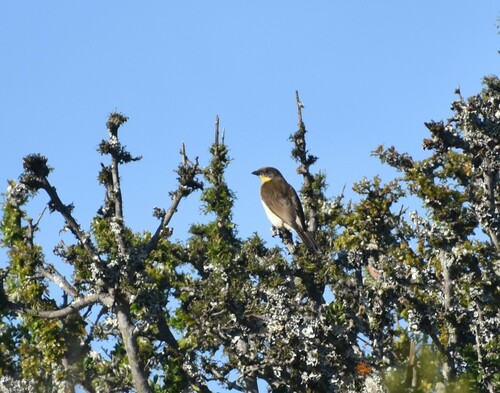 pássaro-do-mel
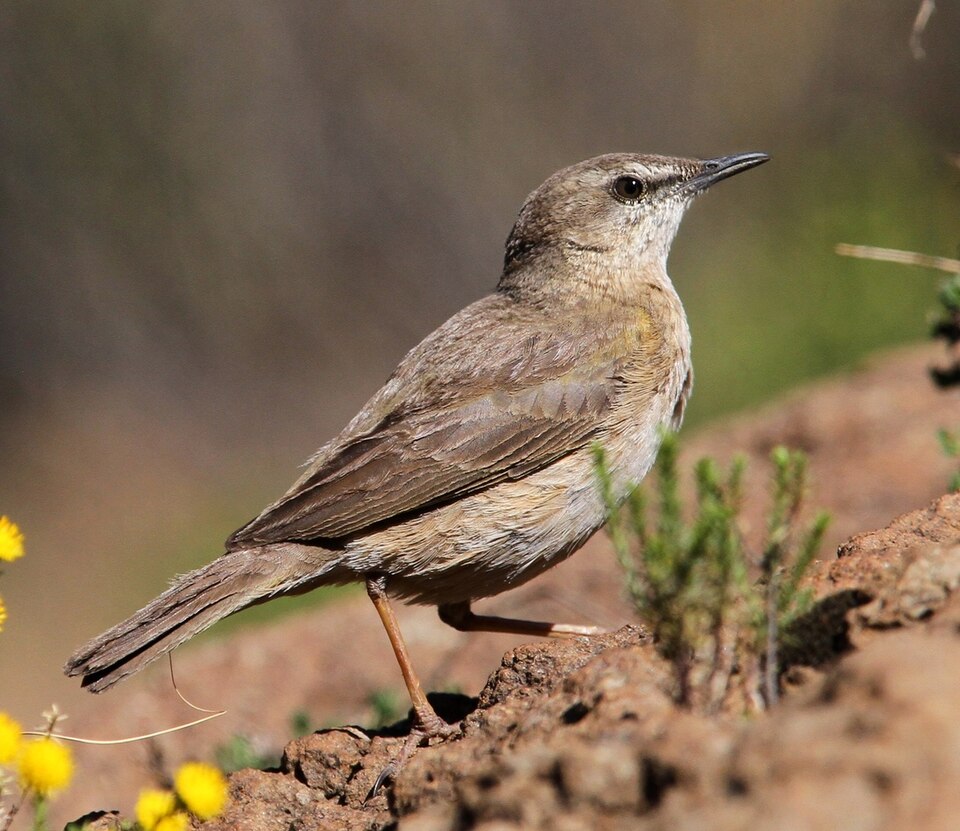 yellow-tufted pipit
Em resumo
A maneira mais confiável de separar o pássaro-do-mel do yellow-tufted pipit é focando no padrão da cauda e das asas, na forma do bico e na coloração geral. O pássaro-do-mel apresenta manchas brancas ousadas nas laterais da cauda (especialmente óbvias em voo) e tem um bico mais pesado, semelhante ao de um pica-pau, enquanto o yellow-tufted pipit não possui essas manchas na cauda e tem um bico fino, típico de pipits. Os pássaros-do-mel imaturos podem ser confusos devido às suas cores mais apagadas, mas o amarelo do pipit nas partes inferiores e nas asas, além de sua sobrancelha distinta, são boas pistas. O habitat também é um forte separador: os pássaros-do-mel são encontrados em uma variedade de habitats, frequentemente perto de colônias de abelhas, enquanto o yellow-tufted pipit é restrito a campos de alta altitude e encostas rochosas no sul da África.
Dicas de identificação
- Manchas brancas na cauda (todas as idades): O pássaro-do-mel apresenta manchas brancas ousadas nas laterais da cauda, especialmente óbvias em voo ou quando a cauda está aberta. O yellow-tufted pipit nunca apresenta branco na cauda.
- Forma do bico: O pássaro-do-mel tem um bico pesado, semelhante ao de um pica-pau (rosa nos machos, escuro nas fêmeas), enquanto o pipit tem um bico fino, pontudo e marrom escuro, típico de passeriformes insetívoros.
- Amarelo na plumagem: O pipit apresenta amarelo na barriga e nas asas (visível quando empoleirado ou em voo), mas o amarelo do pássaro-do-mel é restrito a uma mancha no ombro (adultos) e à garganta/peito superior amarelo (imaturos). O pássaro-do-mel nunca apresenta amarelo na barriga.
- Sobrancelha: O pipit tem uma sobrancelha cinza-esbranquiçada distinta, ausente no pássaro-do-mel.
- Cor da garganta: O macho adulto do pássaro-do-mel tem uma garganta preta; a fêmea também tem uma garganta escura. A garganta do pipit é simples, combinando com as partes inferiores, sem preto.
- Partes superiores: O pássaro-do-mel é cinza-marrom escuro acima (adultos) ou oliva-marrom (imaturos) com uma rabadilha branca; o pipit é marrom e cinza acima, sem rabadilha branca.
- Cor das pernas: O pipit tem pernas pequenas e marrons claras; as pernas do pássaro-do-mel não são descritas como distintas.
- Tamanho e aparência: O pássaro-do-mel é mais robusto e longo (20 cm, 47 g) com uma construção robusta; o pipit é menor (17–18 cm, 29–32,5 g), mais esbelto e delicado.
- Padrão das asas: As asas do pássaro-do-mel são estriadas de branco com uma mancha amarela no ombro; as asas do pipit são marrons-cinzas simples com amarelo, mas sem manchas ousadas.
- Comportamento: O pássaro-do-mel pode ser visto guiando humanos ou entrando em ninhos de abelhas; o pipit está sempre forrageando no chão, nunca interage com abelhas ou humanos.
- Habitat: O pássaro-do-mel pode ocorrer em vários habitats, frequentemente perto de colônias de abelhas; o pipit é restrito a campos de alta altitude e encostas rochosas no sul da África.
- Vocalizações: O pássaro-do-mel emite notas 'tya' trêmulas e tagarelas; o pipit emite um chamado alto, agudo e repetido 'whee-tsrreeu'.
- Dimorfismo sexual: O pássaro-do-mel apresenta alguma diferença entre os sexos (cor do bico e da garganta); o pipit é monomórfico.
- Confusão juvenil: A garganta amarela e a rabadilha branca do pássaro-do-mel imaturo podem enganar, mas as manchas na cauda e a forma do bico permanecem confiáveis; os juvenis do pipit se parecem com os adultos, com barriga amarela e sobrancelha.
- Contexto: Se observado perto de atividade de abelhas ou guiando humanos, suspeite do pássaro-do-mel; se em campos altos e abertos, o pipit é muito mais provável.
Tamanho
O pássaro-do-mel é visivelmente mais pesado e ligeiramente mais longo que o yellow-tufted pipit. O pássaro-do-mel tem uma média de cerca de 47 g e 20 cm de comprimento [wikidata], enquanto o pipit é mais leve, com 29–32,5 g e mais curto, com 17–18 cm [wikipedia]. No campo, o pássaro-do-mel parece mais robusto e robusto, com uma cabeça e bico mais grossos, em comparação com a construção esbelta e delicada do pipit. As pernas pequenas e o bico fino do pipit reforçam sua aparência geral mais leve.
Plumagem
- Pássaros juvenis/imaturos: O imaturo pássaro-do-mel tem partes superiores oliva-marrom, uma rabadilha branca e uma garganta e peito superiores amarelos. A cauda ainda apresenta manchas brancas ousadas nas laterais, que são visíveis em voo e quando a cauda está aberta. O imaturo yellow-tufted pipit não é descrito em detalhes, mas os juvenis provavelmente são semelhantes aos adultos, com penas marrons e cinzas, uma sobrancelha cinza-branca e amarelo nas asas e no estômago.
- Machos adultos: Os machos do pássaro-do-mel têm uma garganta preta, bico rosa, partes superiores cinza-marrom escuras, partes inferiores brancas, mancha amarela no ombro e laterais da cauda brancas. Os adultos do yellow-tufted pipit são marrons e cinzas acima, com uma sobrancelha pálida e amarelo na barriga e nas asas. Sem garganta preta ou manchas brancas na cauda.
- Fêmeas adultas: As fêmeas do pássaro-do-mel são mais apagadas que os machos, com um bico escuro e garganta preta, mas ainda mostram as manchas brancas na cauda e o amarelo no ombro. Os pipits são sexualmente monomórficos, então ambos os sexos se parecem.
- Em voo: As laterais brancas da cauda do pássaro-do-mel são diagnósticas em todas as idades; o pipit não apresenta branco na cauda. O pipit mostra amarelo nas asas e na barriga, mas não como uma mancha ousada. O padrão das asas do pássaro-do-mel é estriado de branco com um ombro amarelo, enquanto as asas do pipit são marrons-cinzas simples com destaques amarelos.
Comportamento
O pássaro-do-mel é famoso por seu comportamento mutualístico com humanos, levando ativamente as pessoas a colônias de abelhas com chamadas tagarelas distintas e um voo errático e chamativo. Ele é frequentemente visto perto de colmeias ou seguindo humanos. O yellow-tufted pipit se comporta como um pipit típico: caminha ou corre no chão em áreas abertas, frequentemente parando para observar ou fazendo voos curtos. Os pipits não interagem com humanos ou abelhas e não são vistos guiando ou forrageando. Os pássaros-do-mel podem ser vistos entrando em ninhos de abelhas ou associando-se a outros pássaros-do-mel, enquanto os pipits são mais solitários ou em pares, forrageando em campos.
Habitat
O habitat é um forte separador. O pássaro-do-mel ocorre em uma variedade de habitats paleotrópicos, frequentemente perto de colônias de abelhas, e não é restrito a altas elevações. Pode ser encontrado em florestas, savanas e às vezes perto de assentamentos humanos onde as abelhas estão presentes. O yellow-tufted pipit é muito mais específico em termos de habitat: é nativo apenas da África do Sul e Lesoto, e é encontrado exclusivamente em arbustos de alta altitude, campos e terrenos montanhosos rochosos. Se você estiver em uma floresta de baixa altitude ou perto de atividade de abelhas, o pássaro-do-mel é mais provável; em campos altos e rochosos, o pipit é o padrão.
Voz
O pássaro-do-mel emite uma nota 'tya' trêmula e tagarela com piados ou assobios, especialmente ao guiar ou quando agitado. Isso é bem diferente do chamado alto, agudo e repetido 'whee-tsrreeu' do yellow-tufted pipit, que é distinto entre os pipits. Se você ouvir uma canção alta, clara e repetida semelhante à do pipit, não é um pássaro-do-mel. As chamadas do pássaro-do-mel são mais variadas e menos musicais.