

Greater Honeyguide vs Yellow-tufted Pipit
Indicator indicator contro Anthus crenatus
Fai un quiz con Greater Honeyguide e Yellow-tufted Pipit
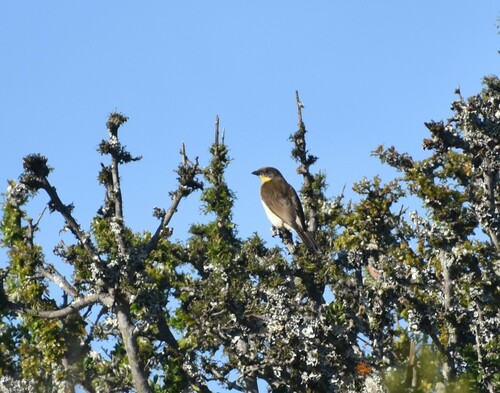 Greater Honeyguide
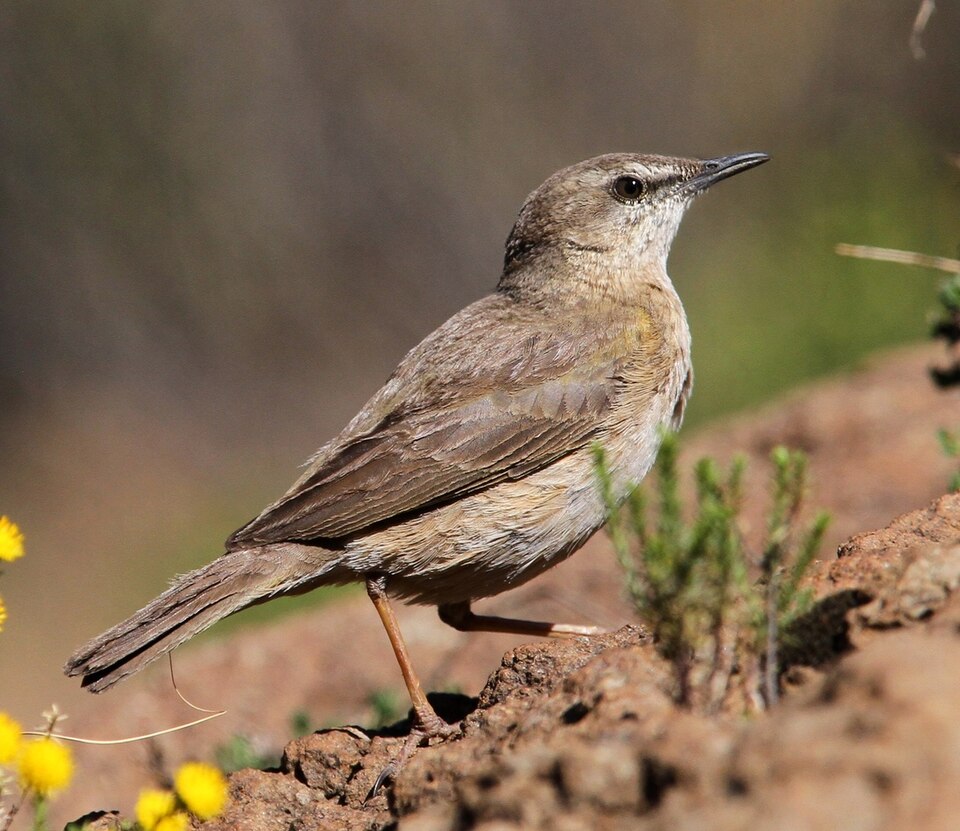 Yellow-tufted Pipit
In breve
Il modo più affidabile per separare il Greater Honeyguide dal Yellow-tufted Pipit è concentrarsi sul modello della coda e delle ali, sulla forma del becco e sulla colorazione generale. Il Greater Honeyguide mostra macchie bianche audaci sui lati della coda (soprattutto evidenti in volo) e ha un becco più pesante, simile a quello di un picchio, mentre il Yellow-tufted Pipit non presenta queste macchie sulla coda e ha un becco snello, tipico dei pipit. I honeyguides immaturi possono essere confusi a causa dei loro colori più opachi, ma il giallo del pipit sulle parti inferiori e sulle ali, oltre al suo sopracciglio distintivo, sono buoni indizi. L'habitat è anche un forte separatore: i honeyguides si trovano in una varietà di habitat, spesso vicino a colonie di api, mentre il Yellow-tufted Pipit è limitato a praterie ad alta quota e pendii rocciosi nell'Africa meridionale.
Consigli di identificazione
- Macchie bianche sulla coda (tutte le età): Il Greater Honeyguide mostra macchie bianche audaci sui lati della coda, soprattutto evidenti in volo o quando la coda è aperta. Il Yellow-tufted Pipit non mostra mai bianco nella coda.
- Forma del becco: Il honeyguide ha un becco pesante, simile a quello di un picchio (rosa nei maschi, nerastro nelle femmine), mentre il pipit ha un becco snello, appuntito e marrone scuro, tipico dei passeriformi insettivori.
- Giallo nel piumaggio: Il pipit mostra giallo sul ventre e all'interno delle ali (visibile quando è posato o in volo), ma il giallo del honeyguide è limitato a una macchia sulla spalla (adulti) e alla gola/parte superiore del petto gialla (immaturi). Il honeyguide non mostra mai giallo sul ventre.
- Sopracciglio: Il pipit ha un sopracciglio grigio-bianco distintivo, assente nel honeyguide.
- Colore della gola: Il honeyguide maschio adulto ha una gola nera; la femmina ha anche una gola nerastra. La gola del pipit è semplice, corrispondente alle parti inferiori, senza nero.
- Parte superiore: Il honeyguide è di un grigio-marrone scuro sopra (adulti) o marrone-oliva (immaturi) con un sottocoda bianco; il pipit è marrone e grigio sopra, privo di un sottocoda bianco.
- Colore delle gambe: Il pipit ha gambe di un marrone chiaro e petite; le gambe del honeyguide non sono descritte come distintive.
- Dimensioni e jizz: Il honeyguide è più robusto e lungo (20 cm, 47 g) con una corporatura robusta; il pipit è più piccolo (17–18 cm, 29–32.5 g), più snello e delicato.
- Modello delle ali: Le ali del honeyguide sono striate di bianco con una macchia gialla sulla spalla; le ali del pipit sono di un semplice marrone-grigio con riflessi gialli, ma senza macchie audaci.
- Comportamento: Il honeyguide può essere visto guidare gli esseri umani o entrare nei nidi delle api; il pipit è sempre in cerca di cibo a terra, non interagisce mai con api o esseri umani.
- Habitat: Il honeyguide può verificarsi in vari habitat, spesso vicino a colonie di api; il pipit è limitato a praterie ad alta quota e pendii rocciosi nell'Africa meridionale.
- Vocalizzazioni: Il honeyguide emette note 'tya' chiacchieranti e tremolanti; il pipit emette un richiamo forte, acuto e ripetuto 'whee-tsrreeu'.
- Dimorfismo sessuale: Il honeyguide mostra alcune differenze tra i sessi (colore del becco e della gola); il pipit è monomorfico.
- Confusione giovanile: La gola gialla e il sottocoda bianco del honeyguide immaturo potrebbero ingannare, ma le macchie sulla coda e la forma del becco rimangono affidabili; i giovani pipit assomigliano agli adulti, con ventre giallo e sopracciglio.
- Contesto: Se osservato vicino all'attività delle api o mentre guida gli esseri umani, sospetta il honeyguide; se in praterie alte e aperte, il pipit è molto più probabile.
Taglia
Il Greater Honeyguide è visibilmente più pesante e leggermente più lungo del Yellow-tufted Pipit. Il honeyguide pesa in media circa 47 g e misura 20 cm di lunghezza [wikidata], mentre il pipit è più leggero a 29–32.5 g e più corto a 17–18 cm [wikipedia]. Sul campo, il honeyguide appare più robusto e robusto, con una testa e un becco più massicci, rispetto alla corporatura snella e delicata del pipit. Le gambe petite e il becco snello del pipit rinforzano il suo complessivo jizz più leggero.
Piumaggio
- Uccelli giovanili/immaturi: Il Greater Honeyguide immaturo ha parti superiori marrone-oliva, un sottocoda bianco e una gola e parte superiore del petto gialle. La coda mostra ancora macchie bianche audaci sui lati, visibili in volo e quando la coda è aperta. Il Yellow-tufted Pipit immaturo non è descritto in dettaglio, ma i giovani sono probabilmente simili agli adulti, con piume marroni e grigie, un sopracciglio bianco-grigio e giallo sulle ali e sullo stomaco.
- Maschi adulti: I maschi del Greater Honeyguide hanno una gola nera, un becco rosa, parti superiori marrone grigio scuro, parti inferiori bianche, una macchia gialla sulla spalla e lati della coda bianchi. Gli adulti del Yellow-tufted Pipit sono marroni e grigi sopra, con un sopracciglio pallido e giallo sul ventre e all'interno delle ali. Nessuna gola nera o macchie bianche sulla coda.
- Femmine adulte: Le femmine di honeyguide sono più opache dei maschi, con un becco nerastro e una gola nera, ma mostrano ancora le macchie bianche sulla coda e il giallo sulla spalla. I pipit sono sessualmente monomorfici, quindi entrambi i sessi si assomigliano.
- In volo: I lati bianchi della coda del honeyguide sono diagnostici a tutte le età; il pipit non presenta bianco nella coda. Il pipit mostra giallo nelle ali e nel ventre, ma non come una macchia audace. Il modello delle ali del honeyguide è striato di bianco con una spalla gialla, mentre le ali del pipit sono di un semplice marrone-grigio con riflessi gialli.
Comportamento
Il Greater Honeyguide è famoso per il suo comportamento mutualistico con gli esseri umani, guidando attivamente le persone verso le colonie di api con distintive chiamate chiacchieranti e un volo erratico e che attira l'attenzione. È spesso visto vicino agli alveari o seguendo gli esseri umani. Il Yellow-tufted Pipit si comporta come un tipico pipit: cammina o corre a terra in aree aperte, spesso fermandosi per osservare o fare brevi voli. I pipit non interagiscono con gli esseri umani o le api e non vengono visti guidare o cercare cibo. I honeyguides possono essere visti entrare nei nidi delle api o associarsi con altri honeyguides, mentre i pipit sono più solitari o in coppie, cercando cibo nelle praterie.
Habitat
L'habitat è un forte separatore. Il Greater Honeyguide si verifica in una varietà di habitat paleotropici, spesso vicino a colonie di api, e non è limitato ad altitudini elevate. Può essere trovato in boschi, savane e talvolta vicino a insediamenti umani dove sono presenti api. Il Yellow-tufted Pipit è molto più specifico per l'habitat: è nativo solo del Sudafrica e del Lesotho, e si trova esclusivamente in arbusteti ad alta quota, praterie e terreni montuosi rocciosi. Se ti trovi in un bosco di pianura o vicino all'attività delle api, il honeyguide è più probabile; in praterie alte e rocciose, il pipit è la norma.
Voce
Il Greater Honeyguide emette una nota 'tya' chiacchierante e tremolante con peep o pipe, soprattutto quando guida o è agitato. Questo è molto diverso dal richiamo forte, acuto e ripetuto 'whee-tsrreeu' del Yellow-tufted Pipit, che è distintivo tra i pipit. Se senti una canzone alta, chiara e ripetuta simile a quella di un pipit, non è un honeyguide. Le chiamate del honeyguide sono più varie e meno musicali.
Greater Honeyguide · Yellow-tufted Pipit · I miei uccelli difficili