

corvo-marinho-comum vs corvo-marinho-d'orelhas
Phalacrocorax carbo versus Nannopterum auritum
Jogue um quiz com corvo-marinho-comum e corvo-marinho-d'orelhas
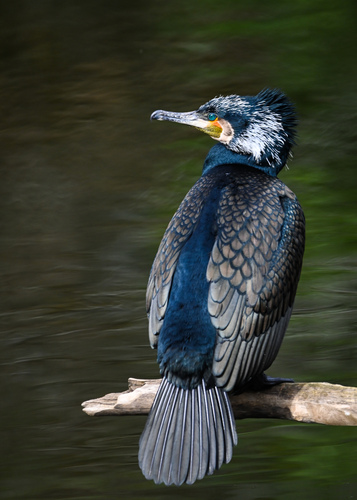 corvo-marinho-comum
 corvo-marinho-d'orelhas
Em resumo
A marca de campo mais confiável entre o corvo-marinho-comum e o corvo-marinho-d'orelhas é a presença de manchas brancas nas coxas em corvos-marinhos-comuns adultos em reprodução, que os corvos-marinhos-d'orelhas nunca mostram. Para aves não reprodutoras ou imaturas, concentre-se na estrutura: o corvo-marinho-comum é mais robusto em geral, com um bico mais pesado e cauda mais longa. O corvo-marinho-d'orelhas apresenta mais amarelo-alaranjado na garganta e no bico, e na época de reprodução, os adultos podem mostrar uma distinta crista dupla acima dos olhos. As plumagens juvenis podem ser confusas, mas os juvenis de corvo-marinho-comum são mais claros embaixo e levam vários anos para alcançar a coloração adulta completa. Use uma combinação de tamanho, forma do bico, cor da pele facial e (na época) a presença ou ausência de cristas e manchas brancas nas coxas para a separação mais confiante.
Dicas de identificação
- Manchas brancas nas coxas (somente corvo-marinho-comum adulto em reprodução): Se você ver manchas brancas ousadas nas coxas, é um corvo-marinho-comum adulto em reprodução. O corvo-marinho-d'orelhas nunca mostra essa característica.
- Crista dupla (somente corvo-marinho-d'orelhas adulto em reprodução): Procure uma crista dupla espessa (branca, preta ou mista) acima dos olhos no corvo-marinho-d'orelhas na época de reprodução. O corvo-marinho-comum não possui crista.
- Cor da pele facial: O corvo-marinho-d'orelhas apresenta pele facial laranja-amarelada mais extensa, especialmente na época de reprodução, muitas vezes se estendendo até as loretes. O corvo-marinho-comum tem uma mancha gular amarela (às vezes vermelha), mas é menos extensa e não se estende tão para frente.
- Estrutura do bico: O bico do corvo-marinho-comum é mais robusto, mais grosso e mais fortemente curvado na ponta. O bico do corvo-marinho-d'orelhas é mais fino e ligeiramente mais curto em proporção ao tamanho da cabeça.
- Comprimento da cauda: O corvo-marinho-comum tem uma cauda mais longa com 14 penas (vs. 12 no corvo-marinho-d'orelhas), fazendo com que a cauda pareça mais substancial, especialmente quando empoleirada.
- Volume geral: O corvo-marinho-comum é visivelmente mais robusto e de corpo mais pesado, com um pescoço mais grosso e aparência mais maciça, tanto empoleirado quanto em voo.
- Partes inferiores juvenis: O juvenil de corvo-marinho-comum é muito mais claro embaixo (quase esbranquiçado), especialmente na barriga e no peito, enquanto os juvenis de corvo-marinho-d'orelhas são mais escuros ou acastanhados embaixo, com um contraste menos acentuado.
- Iridescência adulta: Os adultos de corvo-marinho-comum mostram iridescência verde ou roxa no corpo e nas asas em boa luz; o corvo-marinho-d'orelhas é mais uniformemente preto ou cinza escuro, sem forte iridescência.
- Filoplumas na cabeça e pescoço (corvo-marinho-comum em reprodução): Na época de reprodução, o corvo-marinho-comum pode mostrar filoplumas brancas na cabeça e no pescoço superior, ausentes no corvo-marinho-d'orelhas.
- Voo: O corvo-marinho-comum parece mais pesado e mais direto em voo, com batidas de asas mais profundas; o corvo-marinho-d'orelhas é ligeiramente mais leve e pode voar com o bico ligeiramente levantado.
- Postura empoleirada: O corvo-marinho-comum frequentemente fica mais ereto e parece mais maciço; o corvo-marinho-d'orelhas pode parecer mais esguio e mais horizontal.
- Contexto de habitat: Na América do Norte, o corvo-marinho-comum é mais provável de ser encontrado em costas rochosas e expostas; o corvo-marinho-d'orelhas é comum em lagos interiores, rios e costas abrigadas, mas verifique todas as marcas nas zonas de sobreposição.
- Contagem de penas da cauda (se visível): O corvo-marinho-comum tem 14 penas na cauda, o corvo-marinho-d'orelhas tem 12; isso raramente é visível, mas pode ser diagnóstico em fotos próximas.
- Progressão da idade: O corvo-marinho-comum leva de 3 a 4 anos para alcançar a plumagem adulta, então os imaturos podem reter partes inferiores claras por mais tempo; o corvo-marinho-d'orelhas amadurece mais rápido, com juvenis escurecendo mais rapidamente.
- Ausência de pistas vocais: Nenhuma das espécies é separada de forma confiável pela voz em campo—confie nas marcas visuais.
Tamanho
O corvo-marinho-comum é a espécie mais pesada e robusta, com uma massa adulta média em torno de 2200 g [wikidata], enquanto o corvo-marinho-d'orelhas é mais leve (1,2–2,5 kg por [wikipedia]). Em comparação direta, o corvo-marinho-comum parece mais robusto, com um pescoço mais grosso e um bico mais pesado e poderoso. Ambos são grandes corvos-marinhos, mas o corvo-marinho-comum é consistentemente a ave maior e mais imponente, especialmente notável quando empoleirados lado a lado ou em voo.
Plumagem
- Plumagem juvenil/imatura: Ambas as espécies têm partes inferiores mais claras como juvenis, mas os juvenis de corvo-marinho-comum são distintamente claros a esbranquiçados embaixo, com um contraste acentuado em relação às partes superiores mais escuras, e mantêm isso por até 3–4 anos. Os juvenis de corvo-marinho-d'orelhas são mais acastanhados ou acinzentados em geral, com uma garganta e peito claros que escurecem em direção à barriga, mas geralmente com contraste menos acentuado do que o corvo-marinho-comum.
- Plumagem adulta de reprodução: Os adultos de corvo-marinho-comum na época de reprodução mostram manchas brancas marcantes nas coxas e às vezes filoplumas brancas na cabeça e no pescoço; o corvo-marinho-d'orelhas nunca mostra manchas brancas nas coxas, mas os adultos em reprodução desenvolvem uma crista dupla (branca, preta ou mista) acima dos olhos e têm pele facial laranja. Os adultos de corvo-marinho-comum são pretos brilhantes com iridescência verde ou roxa, enquanto os adultos de corvo-marinho-d'orelhas são pretos com costas e coberturas cinza-escuras, e mais extensa cor laranja-amarelada no rosto e na garganta.
- Adultos não reprodutores: Ambas as espécies perdem suas características especiais de reprodução (manchas brancas ou cristas), mas o corvo-marinho-comum permanece mais robusto e escuro em geral, com menos amarelo no rosto. O corvo-marinho-d'orelhas retém alguma pele facial amarela ou laranja, especialmente ao redor da área gular.
- Bico e pele facial: O corvo-marinho-comum tem um bico mais robusto e mais curvado com uma mancha gular amarela (às vezes vermelha), mas menos extensa do que a laranja-amarelada do corvo-marinho-d'orelhas, que também mostra amarelo nas loretes.
Comportamento
Ambas as espécies nadam baixo na água com apenas a cabeça e o pescoço visíveis, e ambas se empoleiram com as asas abertas para secar. Em voo, o corvo-marinho-comum parece mais pesado e mais direto, com batidas de asas mais profundas, enquanto o corvo-marinho-d'orelhas é ligeiramente mais leve e pode mostrar um voo mais flutuante. Os corvos-marinhos-d'orelhas são frequentemente vistos deixando colônias em longas linhas em fila única, um comportamento menos típico do corvo-marinho-comum. Ambas as espécies mergulham para pescar usando os pés para propulsão.
Habitat
O corvo-marinho-comum é amplamente distribuído pelo Velho Mundo, Australásia e a costa atlântica da América do Norte, frequentemente encontrado em áreas costeiras, mas também em lagos e rios interiores. O corvo-marinho-d'orelhas é amplamente distribuído pela América do Norte, do Alasca à Flórida e México, utilizando habitats de água doce e costeiros. Onde ambas ocorrem (por exemplo, Canadá atlântico, nordeste dos EUA), o corvo-marinho-comum é mais provável de ser encontrado em costas rochosas e ilhas offshore, enquanto o corvo-marinho-d'orelhas é mais frequentemente encontrado em lagos interiores, rios e costas abrigadas, mas há sobreposição.
Voz
Ambas as espécies são em sua maioria silenciosas longe das colônias. Em colônias de reprodução, o corvo-marinho-comum emite ruídos guturais, mas nenhuma das espécies é provavelmente identificada pela voz em campo.
corvo-marinho-comum · corvo-marinho-d'orelhas · Minhas aves difíceis