

Cormorano vs Double-crested Cormorant
Phalacrocorax carbo contro Nannopterum auritum
Fai un quiz con Cormorano e Double-crested Cormorant
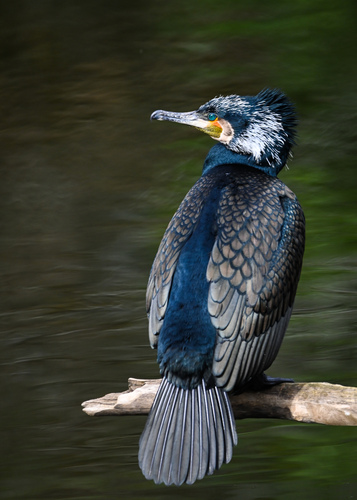 Cormorano
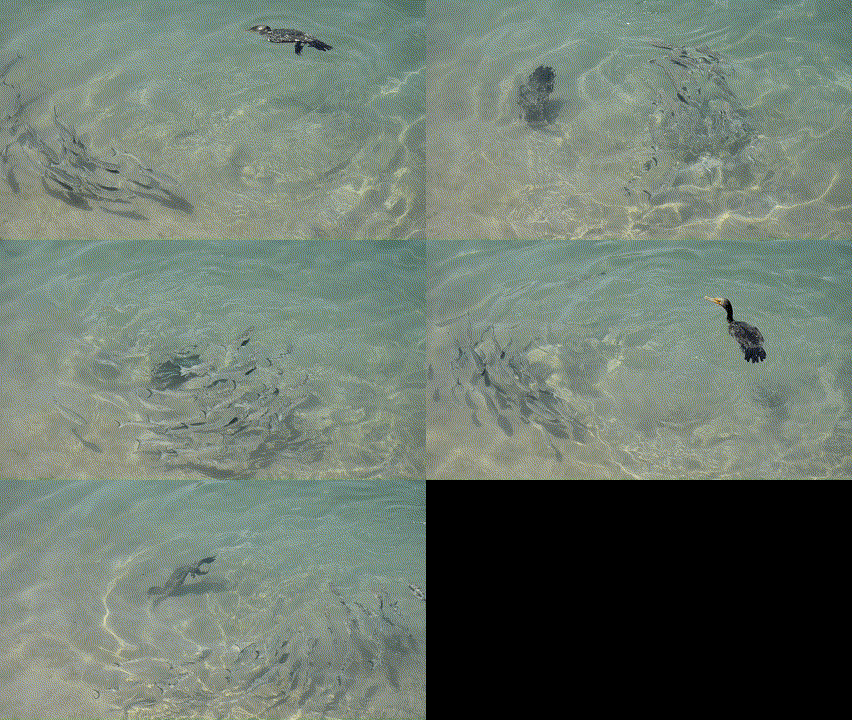 Double-crested Cormorant
In breve
Il segno di campo più affidabile tra il Cormorano e il Cormorano dalla cresta doppia è la presenza di macchie bianche sulle cosce nei Cormorani adulti in riproduzione, che i Cormorani dalla cresta doppia non mostrano mai. Per gli uccelli non in riproduzione o immaturi, concentrati sulla struttura: il Cormorano è complessivamente più robusto, con un becco più pesante e una coda più lunga. Il Cormorano dalla cresta doppia mostra più giallo-arancio sulla gola e sul becco, e durante la stagione di riproduzione, gli adulti possono mostrare una distintiva doppia cresta sopra gli occhi. Le piumature giovanili possono essere confuse, ma i giovani Cormorani sono più chiari sotto e impiegano diversi anni per raggiungere la colorazione adulta completa. Usa una combinazione di dimensioni, forma del becco, colore della pelle facciale e (in stagione) la presenza o l'assenza di creste e macchie bianche sulle cosce per la separazione più sicura.
Consigli di identificazione
- Macchie bianche sulle cosce (solo Cormorano adulto in riproduzione): Se vedi macchie bianche audaci sulle cosce, è un Cormorano adulto in riproduzione. Il Cormorano dalla cresta doppia non mostra mai questa caratteristica.
- Doppia cresta (solo Cormorano dalla cresta doppia adulto in riproduzione): Cerca una folta doppia cresta (bianca, nera o mista) sopra gli occhi del Cormorano dalla cresta doppia durante la stagione di riproduzione. Il Cormorano non ha alcuna cresta.
- Colore della pelle facciale: Il Cormorano dalla cresta doppia mostra una pelle arancio-gialla più estesa sul viso e sulla gola, specialmente durante la stagione di riproduzione, spesso estendendosi sulle lore. Il Cormorano ha una macchia gulari gialla (a volte rossa), ma è meno estesa e non si estende così in avanti.
- Struttura del becco: Il becco del Cormorano è più robusto, più spesso e più fortemente ricurvo all'estremità. Il becco del Cormorano dalla cresta doppia è più snello e leggermente più corto in proporzione alla dimensione della testa.
- Lunghezza della coda: Il Cormorano ha una coda più lunga con 14 penne (rispetto a 12 nel Cormorano dalla cresta doppia), rendendo la coda più sostanziale, specialmente quando è posato.
- Robustezza complessiva: Il Cormorano è visibilmente più robusto e pesante, con un collo più spesso e un aspetto più massiccio, sia posato che in volo.
- Parte inferiore giovanile: Il giovane Cormorano è molto più chiaro sotto (quasi biancastro), specialmente sul ventre e sul petto, mentre i giovani Cormorani dalla cresta doppia sono più scuri o brunastri sotto, con un contrasto meno netto.
- Iridescenza degli adulti: Gli adulti del Cormorano mostrano iridescenza verdastra o violacea sul corpo e sulle ali in buona luce; il Cormorano dalla cresta doppia è più uniformemente nero o grigio scuro, privo di forte iridescenza.
- Filopiume sulla testa e sul collo (Cormorano in riproduzione): Durante la stagione di riproduzione, il Cormorano può mostrare filopiume bianchi sulla testa e sul collo superiore, assenti nel Cormorano dalla cresta doppia.
- Volo: Il Cormorano appare più pesante e diretto in volo, con battiti d'ala più profondi; il Cormorano dalla cresta doppia è leggermente più leggero e può volare con il becco leggermente sollevato.
- Postura posata: Il Cormorano spesso sta più eretto e appare più massiccio; il Cormorano dalla cresta doppia può sembrare più snello e più orizzontale.
- Contesto dell'habitat: In Nord America, il Cormorano è più probabile che si trovi su coste rocciose ed esposte; il Cormorano dalla cresta doppia è comune su laghi interni, fiumi e coste riparate, ma controlla tutti i segni nelle zone di sovrapposizione.
- Conteggio delle penne della coda (se visibile): Il Cormorano ha 14 penne della coda, il Cormorano dalla cresta doppia ha 12; questo è raramente visibile ma può essere diagnostico in foto ravvicinate.
- Progressione dell'età: Il Cormorano impiega 3–4 anni per raggiungere la piumatura adulta, quindi gli immaturi possono mantenere parti inferiori chiare più a lungo; il Cormorano dalla cresta doppia matura più rapidamente, con i giovani che scuriscono più rapidamente.
- Assenza di segnali vocali: Nessuna delle due specie è separabile in modo affidabile per voce sul campo—fai affidamento sui segni visivi.
Taglia
Il Cormorano è la specie più pesante e robusta, con una massa adulta media di circa 2200 g [wikidata], mentre il Cormorano dalla cresta doppia è più leggero (1,2–2,5 kg per [wikipedia]). In confronto diretto, il Cormorano appare più robusto, con un collo più spesso e un becco più pesante e potente. Entrambi sono grandi cormorani, ma il Cormorano è costantemente l'uccello più grande e imponente, particolarmente evidente quando sono posati fianco a fianco o in volo.
Piumaggio
- Piumatura giovanile/immatura: Entrambe le specie hanno parti inferiori più chiare da giovani, ma i giovani Cormorani sono distintamente chiari fino a diventare bianchi sotto, con un forte contrasto rispetto alle parti superiori più scure, e mantengono questo per un massimo di 3–4 anni. I giovani Cormorani dalla cresta doppia sono più brunastri o grigi complessivamente, con una gola e un petto chiari che scuriscono verso il ventre, ma generalmente con un contrasto meno netto rispetto al Cormorano.
- Piumatura adulta in riproduzione: Gli adulti del Cormorano durante la stagione di riproduzione mostrano macchie bianche sulle cosce e talvolta filopiume bianchi sulla testa e sul collo; il Cormorano dalla cresta doppia non mostra mai macchie bianche sulle cosce, ma gli adulti in riproduzione sviluppano una doppia cresta (bianca, nera o mista) sopra gli occhi e hanno pelle facciale arancione. Gli adulti del Cormorano sono neri lucidi con iridescenza verdastra o violacea, mentre gli adulti del Cormorano dalla cresta doppia sono neri con un dorso grigio scuro e copritura, e più estesa arancio-gialla sul viso e sulla gola.
- Adulti non in riproduzione: Entrambe le specie perdono le loro caratteristiche speciali di riproduzione (macchie bianche o creste), ma il Cormorano rimane più robusto e più scuro nel complesso, con meno giallo sul viso. Il Cormorano dalla cresta doppia mantiene un po' di pelle facciale gialla o arancione, specialmente attorno all'area gulari.
- Becco e pelle facciale: Il Cormorano ha un becco più robusto e ricurvo con una macchia gulari gialla (a volte rossa), ma meno estesa rispetto all'arancio-giallo del Cormorano dalla cresta doppia, che mostra anche giallo fino alle lore.
Comportamento
Entrambe le specie nuotano basse nell'acqua con solo la testa e il collo visibili, e entrambe si posano con le ali aperte per asciugarsi. In volo, il Cormorano appare più pesante e diretto, con battiti d'ala più profondi, mentre il Cormorano dalla cresta doppia è leggermente più leggero e può mostrare un volo più galleggiante. I Cormorani dalla cresta doppia sono spesso visti lasciare le colonie in lunghe file singole, un comportamento meno tipico del Cormorano. Entrambe le specie si tuffano per pesci usando i piedi per la propulsione.
Habitat
Il Cormorano è diffuso in tutto il Vecchio Mondo, in Australasia e lungo la costa atlantica del Nord America, spesso trovato in aree costiere ma anche in laghi e fiumi interni. Il Cormorano dalla cresta doppia è diffuso in tutto il Nord America, dall'Alaska alla Florida e al Messico, utilizzando sia habitat d'acqua dolce che costieri. Dove entrambe le specie si trovano (ad es., Canada atlantico, nord-est degli Stati Uniti), il Cormorano è più probabile che si trovi su coste rocciose e isole al largo, mentre il Cormorano dalla cresta doppia è più spesso trovato su laghi interni, fiumi e coste riparate, ma c'è sovrapposizione.
Voce
Entrambe le specie sono per lo più silenziose lontano dalle colonie. Nelle colonie di riproduzione, il Cormorano emette rumori gutturali, ma nessuna delle due specie è probabile che venga identificata per voce sul campo.
Cormorano · Double-crested Cormorant · I miei uccelli difficili