

pêrra vs verdelhão
Aythya nyroca versus Chloris chloris
Jogue um quiz com pêrra e verdelhão
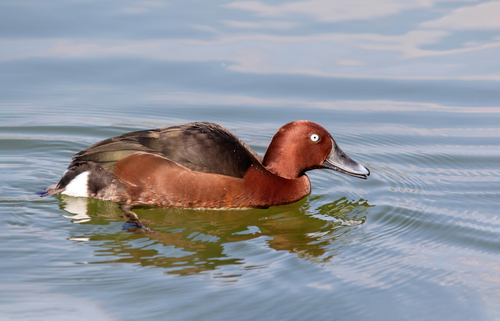 pêrra
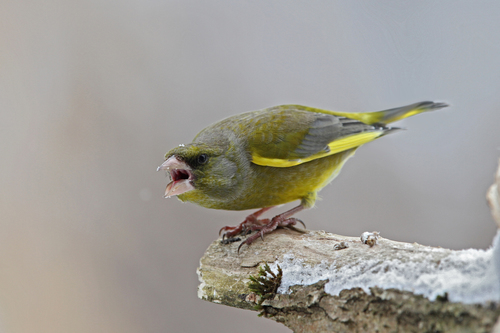 verdelhão
Em resumo
Pêrra e verdelhão são extremamente diferentes em estrutura e plumagem, mas confusão pode surgir com vistas distantes ou ruins, especialmente de imaturos ou em voo. A marca de campo mais confiável é a forma e tamanho geral: pêrra é um pato mergulhador de tamanho médio e corpo pesado com plumagem castanho-escura e subcauda branca, enquanto verdelhão é um pequeno pássaro cantor robusto com tons verdes e amarelos e um bico cônico espesso. Em voo, pêrra mostra uma barriga branca e uma mancha branca na asa, enquanto verdelhão exibe amarelo nas asas e na cauda. Mesmo em luz fraca ou à distância, a forma do bico e a estrutura do corpo são inconfundíveis se vistas bem.
Dicas de identificação
- Tamanho e estrutura geral: Pêrra é um pato de tamanho médio e corpo pesado; verdelhão é um pequeno e compacto fringilídeo. Se o pássaro tem o tamanho de um pardal, é um verdelhão; se tem o tamanho de uma pomba ou maior, é o pato.
- Forma do bico: Pêrra tem um bico largo e plano típico de patos. Verdelhão tem um bico espesso e cônico de comedor de sementes. A forma do bico é diagnóstica se vista bem.
- Padrão de voo e marcas nas asas: Em voo, pêrra mostra uma barriga branca e uma mancha branca na asa (todas as idades/sexes). Verdelhão exibe amarelo nas asas e na cauda, nunca branco. Se você vê amarelo nas asas/cauda, é um verdelhão; subcauda ou barriga brancas apontam para pêrra.
- Postura empoleirada: Verdelhão empoleira-se ereto em galhos, fios ou arbustos. Pêrra quase nunca é vista empoleirada acima da água; ela se senta baixa na água ou fica na margem.
- Cor da plumagem: Pêrra é castanho-escura (macho) ou marrom opaca (fêmea/imatura) com uma subcauda branca. Verdelhão é esverdeado com amarelo nas asas e na cauda; fêmeas/imaturos são mais opacos, mas ainda mostram amarelo.
- Cor dos olhos: O macho da pêrra tem um olho amarelo; a fêmea tem um olho escuro. Verdelhão tem um olho escuro em ambos os sexos.
- Padrão da subcauda: Pêrra sempre tem uma subcauda branca pura, visível ao nadar ou em voo. A subcauda do verdelhão não é branca.
- Habitat: Pêrra é encontrada na água; verdelhão é encontrado em árvores, cercas ou jardins, raramente perto de água aberta.
- Comportamento: Pêrra mergulha ou se alimenta na superfície; verdelhão se alimenta de sementes, frequentemente no chão ou em árvores, e nunca mergulha.
- Composição do grupo: Pêrra pode estar em bandos mistos com outros patos. Verdelhão pode se agrupar com outros fringilídeos ou pardais, raramente com aves aquáticas.
- Vocalização: Verdelhão canta uma canção trêmula e chilreante; pêrra é geralmente silenciosa ou emite grasnidos baixos.
- Forma da cauda: Verdelhão tem uma cauda curta e recortada com lados amarelos. Pêrra tem uma cauda larga e arredondada, geralmente não proeminente.
- Exibição: Machos de verdelhão realizam voos de exibição lentos e flutuantes, que são únicos entre essas duas espécies.
- Confusão de sexo/idade: Fêmeas/imaturos de pêrra são mais opacos, mas ainda têm subcauda branca e subasa em voo. Fêmeas/imaturos de verdelhão são mais marrons, mas sempre mostram amarelo nas asas/cauda.
- Erros comuns: Vistas distantes de pêrra na água podem parecer escuras e sem características; verifique a subcauda branca e a forma do bico. Verdelhão opacos podem parecer marrons, mas sempre mostrarão amarelo em voo ou ao esticar as asas.
Tamanho
Pêrra é vastamente maior e mais pesada (massa corporal ~551,5g [wikidata]) do que verdelhão, que é semelhante em tamanho a um pardal-comum (comprimento ~15 cm, envergadura 24,5–27,5 cm [wikipedia]). O pato é uma ave aquática robusta e de corpo largo, enquanto o verdelhão é um pequeno e compacto fringilídeo. Mesmo à distância, o volume do pato e o pescoço mais longo são óbvios em comparação com o pequeno e arredondado silhueta do fringilídeo.
Plumagem
-
Pássaros juvenis/imaturos/primeiro inverno: Nenhum padrão de asa específico para idades detalhadas é descrito para nenhuma das espécies nas fontes, mas as vistas em voo ainda são muito distintas. Pêrra (todas as idades) mostra uma barriga branca e uma mancha branca na asa em voo, com tons castanho-ricos ou marrons. Verdelhão (todas as idades) é principalmente esverdeado, mas sempre mostra flashes amarelos nas asas e na cauda durante o voo; os jovens são mais opacos e marrons em geral, mas retêm o amarelo nas asas e na cauda.
-
Machos adultos: Machos de pêrra são castanho-escuro rico com uma subcauda branca pura e olho amarelo. Machos de verdelhão são verdes brilhantes com amarelo nas asas e na cauda, e um bico pálido espesso.
-
Fêmeas/imaturos: Fêmeas de pêrra são marrons mais opacas com um olho escuro, mas ainda têm a subcauda branca e a mancha branca na asa em voo. Fêmeas e jovens de verdelhão são mais opacos e marrons do que os machos, mas sempre mostram amarelo nas asas e na cauda e não têm subcauda branca.
Comportamento
Pêrra é um pato mergulhador, frequentemente visto mergulhando ou se alimentando na superfície, e às vezes invertendo-se na água. É gregária, mas menos do que outros patos do gênero Aythya, e forma bandos no inverno. Verdelhão é um pássaro cantor empoleirado, frequentemente visto se alimentando de sementes em árvores, arbustos ou no chão, e é mais provável de ser visto em bandos durante a estação não reprodutiva. Verdilhões realizam voos de exibição com batidas lentas e flutuantes das asas (exibição "borboleta"). O pato nunca é visto empoleirado em árvores, enquanto o verdelhão raramente, se é que alguma vez, nada.
Habitat
Pêrra é encontrada em lagos, pântanos e outros corpos de água, frequentemente entre vegetação emergente. Ela faz ninho perto ou na água, às vezes em ninhos flutuantes. Verdelhão prefere bordas de florestas, cercas agrícolas e jardins com vegetação densa, e faz ninho em árvores ou arbustos. Ver um pássaro em água aberta ou mergulhando é um forte indicador de pêrra; um pássaro em uma cerca, árvore ou jardim é quase certamente um verdelhão.
Voz
Nenhuma vocalização é descrita para pêrra nas notas. Verdelhão tem uma canção distinta com trilos, chilreios e assobios, e é frequentemente ouvido cantando de um poleiro ou durante voos de exibição. Se você ouvir uma canção complexa e chilreante, é um verdelhão; pêrra é geralmente silenciosa ou emite apenas grasnidos baixos.