

Witoogeend vs Groenling
Aythya nyroca versus Chloris chloris
Speel een quiz met Witoogeend en Groenling
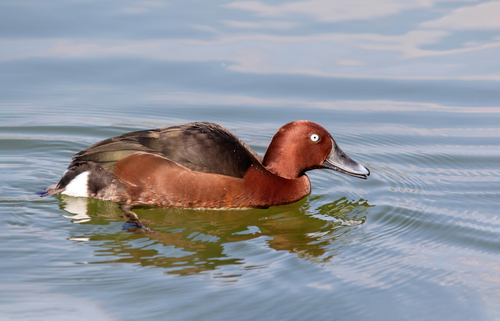 Witoogeend
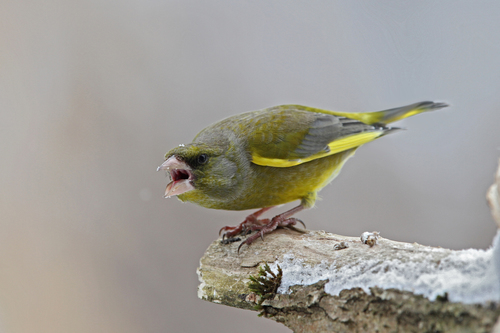 Groenling
Kort gezegd
Witoogeend en Groenling zijn extreem verschillend in zowel structuur als verenkleed, maar verwarring kan ontstaan bij verre of slechte uitzichten, vooral van onvolwassen vogels of in vlucht. Het meest betrouwbare veldkenmerk is de algehele vorm en grootte: Witoogeend is een middelgrote, zwaar gebouwde duikeend met een donkere kastanjebruine verenkleed en een witte onderstaart, terwijl Groenling een kleine, stevige zangvogel is met groene en gele tinten en een dikke conische snavel. In vlucht toont Witoogeend een witte buik en ondervleugelvlek, terwijl Groenling geel flitst in de vleugels en staart. Zelfs bij dof licht of op afstand zijn de snavelvorm en lichaamsstructuur onmiskenbaar als ze goed worden gezien.
Herkenningstips
- Algehele grootte en structuur: Witoogeend is een middelgrote, zwaar gebouwde eend; Groenling is een kleine, compacte vink. Als de vogel ter grootte van een mus is, is het een Groenling; als het ter grootte van een duif of groter is, is het de eend.
- Snavelvorm: Witoogeend heeft een brede, platte snavel die typisch is voor eenden. Groenling heeft een dikke, conische snavel voor zaadeters. Snavelvorm is diagnostisch als het goed wordt gezien.
- Vluchtpatroon en vleugelmarkeringen: In vlucht toont Witoogeend een witte buik en witte ondervleugelvlek (alle leeftijden/geslachten). Groenling flitst geel in de vleugels en staart, nooit wit. Als je geel in de vleugels/staart ziet, is het een Groenling; witte ondervleugel of buik wijst op Witoogeend.
- Zittende houding: Groenling zit rechtop op takken, draden of struiken. Witoogeend wordt bijna nooit gezien zittend boven water; het zit laag op het water of staat op de oever.
- Verenkleur: Witoogeend is rijk kastanjebruin (man) of dof bruin (vrouw/onvolwassen) met een witte onderstaart. Groenling is groenachtig met geel in de vleugels en staart; vrouwtjes/onvolwassen vogels zijn doffer maar tonen nog steeds geel.
- Oogkleur: Manlijke Witoogeend heeft een geel oog; de vrouw heeft een donker oog. Groenling heeft een donker oog in beide geslachten.
- Onderstaartpatroon: Witoogeend heeft altijd een puur witte onderstaart, zichtbaar wanneer hij zwemt of in vlucht. Groenling heeft geen witte onderstaart.
- Habitat: Witoogeend wordt aangetroffen op water; Groenling wordt aangetroffen in bomen, hagen of tuinen, zelden nabij open water.
- Gedrag: Witoogeend duikt of dabbert voor voedsel; Groenling voedt zich met zaden, vaak op de grond of in bomen, en duikt nooit.
- Groepssamenstelling: Witoogeend kan in gemengde groepen met andere eenden zijn. Groenling kan zich verzamelen met andere vinken of mussen, zelden met watervogels.
- Vocalisatie: Groenling zingt een trillerige, tsjilpende zang; Witoogeend is over het algemeen stil of geeft lage kwakgeluiden.
- Staartvorm: Groenling heeft een korte, ingesneden staart met gele zijkanten. Witoogeend heeft een brede, ronde staart, meestal niet opvallend.
- Tonen: Mannetjes Groenling voeren langzame, fladderende "vlinder"-displayvluchten uit, die uniek zijn onder deze twee soorten.
- Verwarring geslacht/leeftijd: Vrouwelijke/onvolwassen Witoogeenden zijn doffer maar hebben nog steeds een witte onderstaart en ondervleugel in vlucht. Vrouwelijke/onvolwassen Groenlingen zijn bruiner maar tonen altijd geel in de vleugels/staart.
- Veelvoorkomende valkuilen: Verre uitzichten van Witoogeend op water kunnen donker en zonder kenmerken lijken; controleer op witte onderstaart en snavelvorm. Doffe Groenlingen kunnen bruinachtig lijken maar zullen altijd geel tonen in vlucht of wanneer ze de vleugels uitstrekken.
Grootte
Witoogeend is aanzienlijk groter en zwaarder (lichaamsgewicht ~551,5g [wikidata]) dan Groenling, dat vergelijkbaar is in grootte met een Huismus (lengte ~15 cm, vleugelspanwijdte 24,5–27,5 cm [wikipedia]). De eend is een robuuste, breedgebouwde watervogel, terwijl de groenling een kleine, compacte vink is. Zelfs op afstand zijn de bulk en de langere nek van de eend duidelijk in vergelijking met de kleine, ronde silhouet van de vink.
Verenkleed
-
Jong/onvolwassen/eerste-winter vogels: Er is geen gedetailleerd leeftijdspecifiek vleugelpatroon beschreven voor beide soorten in de bronnen, maar vluchtzicht is nog steeds zeer onderscheidend. Witoogeend (alle leeftijden) toont een witte buik en een witte ondervleugelvlek in vlucht, met anderszins rijke kastanjebruine of bruine tinten. Groenling (alle leeftijden) is voornamelijk groenachtig maar toont altijd gele flitsen in de vleugels en staart tijdens de vlucht; jonge vogels zijn doffer en bruiner in het algemeen maar behouden het geel in de vleugels en staart.
-
Volwassen mannetjes: Mannetjes Witoogeend zijn rijk, donker kastanjebruin met een puur witte onderstaart en geel oog. Mannetjes Groenling zijn felgroen met geel in de vleugels en staart, en een dikke bleke snavel.
-
Vrouwen/onvolwassen: Vrouwelijke Witoogeenden zijn doffer bruin met een donker oog, maar hebben nog steeds de witte onderstaart en witte ondervleugelvlek in vlucht. Vrouwelijke en jonge Groenlingen zijn doffer en bruiner dan mannetjes maar tonen altijd geel in de vleugels en staart en hebben geen witte onderstaart.
Gedrag
Witoogeend is een duikeend, vaak gezien duiken of dabben voor voedsel, en soms omgekeerd in het water. Het is sociaal maar minder dan andere Aythya-eenden, en vormt groepen in de winter. Groenling is een zittende zangvogel, vaak gezien terwijl hij zich voedt met zaden in bomen, struiken of op de grond, en is waarschijnlijker om in groepen te worden gezien tijdens het niet-broedseizoen. Groenlingen voeren displayvluchten uit met langzame, fladderende vleugelslagen ("vlinder"-display). De eend wordt nooit gezien zittend in bomen, terwijl de groenling zelden, zo niet nooit, zwemt.
Habitat
Witoogeend wordt aangetroffen op meren, moerassen en andere waterlichamen, vaak tussen opkomende vegetatie. Het nestelt dicht bij of op water, soms op drijvende nesten. Groenling geeft de voorkeur aan bosranden, landbouwhagen en tuinen met dichte vegetatie, en nestelt in bomen of struiken. Het zien van een vogel op open water of duikend is een sterke indicator van Witoogeend; een vogel in een haag, boom of tuin is bijna zeker een Groenling.
Geluid
Er zijn geen vocalisaties beschreven voor Witoogeend in de notities. Groenling heeft een kenmerkende zang met trillers, tsjilpjes en piepjes, en wordt vaak gehoord terwijl hij zingt vanuit een zitplaats of tijdens displayvluchten. Als je een complexe, tsjilpende zang hoort, is het een Groenling; Witoogeend is over het algemeen stil of geeft alleen lage kwakgeluiden.