

Moorente vs Grünfink
Aythya nyroca gegen Chloris chloris
Ein Quiz mit Moorente und Grünfink spielen
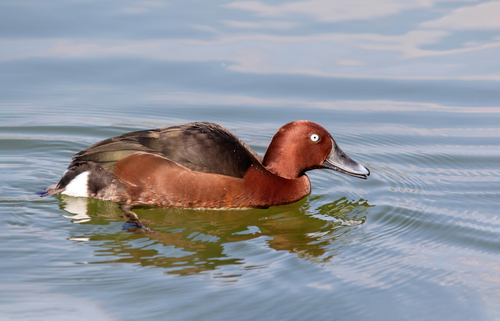 Moorente
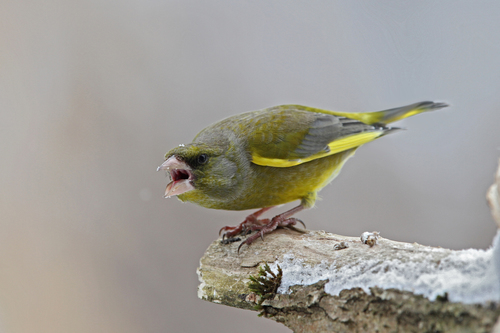 Grünfink
Kurz gesagt
Moorente und Grünfink sind in Struktur und Gefieder äußerst unterschiedlich, aber Verwirrung kann bei entfernten oder schlechten Sichtungen auftreten, insbesondere bei Jungvögeln oder im Flug. Das zuverlässigste Feldmerkmal ist die allgemeine Form und Größe: Moorente ist eine mittelgroße, schwer gebaute Tauchente mit einem dunklen kastanienbraunen Gefieder und einem weißen Schwanzuntergefieder, während der Grünfink ein kleiner, stämmiger Singvogel mit grünen und gelben Tönen und einem dicken konischen Schnabel ist. Im Flug zeigt die Moorente einen weißen Bauch und einen weißen Unterflügelbereich, während der Grünfink Gelb in den Flügeln und im Schwanz blitzen lässt. Selbst bei trübem Licht oder aus der Ferne sind Schnabelform und Körperstruktur unverwechselbar, wenn sie gut gesehen werden.
Bestimmungstipps
- Overall size and structure: Moorente is a medium-sized, heavy-bodied duck; Grünfink is a small, compact finch. If the bird is sparrow-sized, it's a Greenfinch; if it's pigeon-sized or larger, it's the duck.
- Bill shape: Moorente has a broad, flat bill typical of ducks. Greenfinch has a thick, conical seed-eater's bill. Bill shape is diagnostic if seen well.
- Flight pattern and wing markings: In flight, Moorente shows a white belly and white underwing patch (all ages/sexes). Greenfinch flashes yellow in the wings and tail, never white. If you see yellow in the wings/tail, it's a Greenfinch; white underwing or belly points to Moorente.
- Perched posture: Greenfinch perches upright on branches, wires, or bushes. Moorente is almost never seen perched above water; it sits low on the water or stands on the shore.
- Plumage color: Moorente is rich chestnut (male) or dull brown (female/immature) with a white undertail. Greenfinch is greenish with yellow in the wings and tail; females/immatures are duller but still show yellow.
- Eye color: Male Moorente has a yellow eye; female has a dark eye. Greenfinch has a dark eye in both sexes.
- Undertail pattern: Moorente always has a pure white undertail, visible when swimming or in flight. Greenfinch undertail is not white.
- Habitat: Moorente is found on water; Greenfinch is found in trees, hedges, or gardens, rarely near open water.
- Behavior: Moorente dives or dabbles for food; Greenfinch feeds on seeds, often on the ground or in trees, and never dives.
- Group composition: Moorente may be in mixed flocks with other ducks. Greenfinch may flock with other finches or sparrows, rarely with waterbirds.
- Vocalization: Greenfinch sings a trilling, twittering song; Moorente is generally silent or gives low quacks.
- Tail shape: Greenfinch has a short, notched tail with yellow sides. Moorente has a broad, rounded tail, usually not prominent.
- Display: Greenfinch males perform slow, fluttering "butterfly" display flights, which are unique among these two species.
- Sex/age confusion: Female/immature Ferruginous Ducks are duller but still have white undertail and underwing in flight. Female/immature Greenfinches are browner but always show yellow in wings/tail.
- Common pitfalls: Distant views of Moorente on water may appear dark and featureless; check for white undertail and bill shape. Dull Greenfinches may seem brownish but will always show yellow in flight or when stretching wings.
Größe
Moorente ist erheblich größer und schwerer (Körpermasse ~551,5g [wikidata]) als der Grünfink, der in der Größe einem Haussperling ähnelt (Länge ~15 cm, Spannweite 24,5–27,5 cm [wikipedia]). Die Ente ist ein robuster, breit gebauter Wasservogel, während der Grünfink ein kleiner, kompakter Fink ist. Selbst aus der Ferne sind das Volumen und der längere Hals der Ente im Vergleich zur kleinen, runden Silhouette des Finks offensichtlich.
Gefieder
-
Junge/Jungvögel/erste Wintervögel: Für keine der beiden Arten wird in den Quellen ein detailliertes alterspezifisches Flügelmuster beschrieben, aber Flugansichten sind dennoch sehr charakteristisch. Moorente (alle Altersgruppen) zeigt einen weißen Bauch und einen weißen Unterflügelbereich im Flug, mit ansonsten reichen kastanienbraunen oder braunen Tönen. Grünfink (alle Altersgruppen) ist hauptsächlich grünlich, zeigt aber immer gelbe Blitze in den Flügeln und im Schwanz während des Fluges; junge Vögel sind matter und brauner insgesamt, behalten aber das Gelb in den Flügeln und im Schwanz.
-
Erwachsene Männchen: Männliche Moorenten sind reich, dunkel kastanienbraun mit einem reinen weißen Schwanzuntergefieder und gelbem Auge. Männliche Grünfinken sind leuchtend grün mit Gelb in den Flügeln und im Schwanz und einem dicken hellen Schnabel.
-
Weibchen/Jungvögel: Weibliche Moorenten sind matter braun mit einem dunklen Auge, haben aber immer noch das weiße Schwanzuntergefieder und den weißen Unterflügelbereich im Flug. Weibliche und junge Grünfinken sind matter und brauner als die Männchen, zeigen aber immer Gelb in den Flügeln und im Schwanz und haben kein weißes Schwanzuntergefieder.
Verhalten
Moorente ist eine Tauchente, die oft beim Tauchen oder Schnappen nach Nahrung zu sehen ist und manchmal im Wasser auf den Kopf geht. Sie ist gesellig, aber weniger als andere Aythya-Enten, und bildet im Winter Schwärme. Grünfink ist ein sitzender Singvogel, der oft beim Fressen von Samen in Bäumen, Büschen oder am Boden zu sehen ist und während der Nichtbrutzeit eher in Schwärmen anzutreffen ist. Grünfinken führen Balzflüge mit langsamen, flatternden Flügelschlägen ("Schmetterlings"-Balz) aus. Die Ente wird nie sitzend in Bäumen gesehen, während der Grünfink selten, wenn überhaupt, schwimmt.
Lebensraum
Moorente ist auf Seen, Sümpfen und anderen Gewässern zu finden, oft zwischen emporwachsendem Pflanzenbewuchs. Sie nistet in der Nähe oder auf Wasser, manchmal auf schwimmenden Nestern. Grünfink bevorzugt Waldränder, landwirtschaftliche Hecken und Gärten mit dichter Vegetation und nistet in Bäumen oder Büschen. Einen Vogel auf offenem Wasser oder beim Tauchen zu sehen, ist ein starkes Indiz für die Moorente; ein Vogel in einer Hecke, einem Baum oder einem Garten ist fast sicher ein Grünfink.
Stimme
Für die Moorente werden in den Notizen keine Vokalisationen beschrieben. Der Grünfink hat ein charakteristisches Lied mit Trillern, Zwitschern und Keuchen und wird oft gehört, während er von einem Sitzplatz oder während Balzflügen singt. Wenn Sie ein komplexes, zwitscherndes Lied hören, ist es ein Grünfink; die Moorente ist allgemein still oder gibt nur leise Quacks von sich.