

gaio vs gralha-calva
Garrulus glandarius versus Corvus frugilegus
Jogue um quiz com gaio e gralha-calva
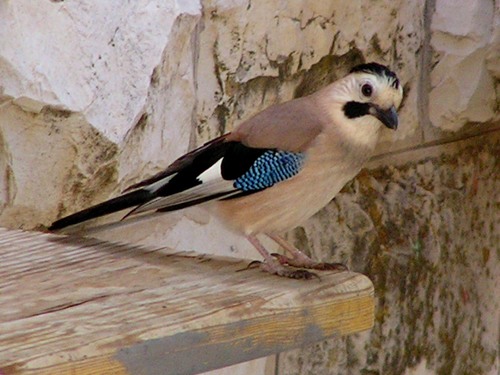 gaio
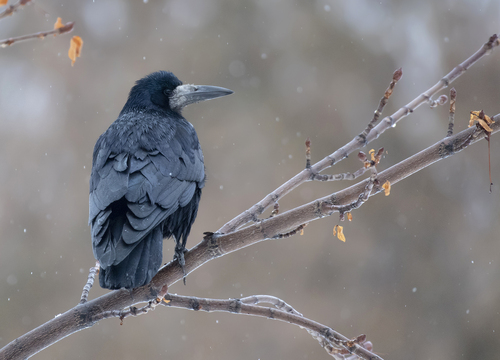 gralha-calva
Em resumo
A marca de campo mais confiável para separar o gaio da gralha-calva é o painel de asa listrado em azul e preto do gaio, visível em aves empoleiradas e voadoras de todas as idades, em contraste com a plumagem totalmente preta da gralha-calva, que possui um brilho azul-púrpura e, nos adultos, uma distinta mancha branca nua na base do bico. Os juvenis da gralha-calva não têm a mancha nua e podem ser confundidos com outros corvídeos totalmente pretos, mas nunca mostram o corpo marrom-rosado do gaio ou a asa azul. As gralhas-calvas são muito maiores, mais esguias e mais sociáveis, enquanto os gaios são menores, mais robustos e preferem a cobertura florestal. Se você ver um pássaro marrom-rosado com um flash de asa azul, é um gaio; se for todo preto e parecido com um corvo, especialmente com um rosto nu pálido, é uma gralha-calva.
Dicas de identificação
- Painel de asa azul (todas as idades, todas as estações): Apenas o gaio mostra um patch azul brilhante com finas barras pretas na asa superior, visível tanto quando empoleirado quanto em voo. A gralha-calva nunca mostra azul ou qualquer cor além do preto.
- Cor geral (todas as idades): O gaio é marrom-rosado com uma garganta branca e um bigode preto; a gralha-calva é toda preta com um brilho púrpura ou azulado (adultos e juvenis).
- Características faciais (adultos): Os adultos da gralha-calva têm uma mancha nua de pele branca na base do bico e ao redor do olho, fazendo com que o bico pareça mais longo e a cabeça mais arredondada. Os gaios sempre têm rostos plumosos com um bigode preto e uma coroa riscada.
- Confusão juvenil: Os juvenis da gralha-calva não têm a mancha facial nua e podem se assemelhar a corvos, mas ainda são totalmente pretos e nunca mostram tons marrons ou azuis. Os gaios de todas as idades mantêm sua coloração marrom-rosada e azul.
- Cor da cauda: O gaio tem uma cauda preta que contrasta com o corpo marrom; a cauda da gralha-calva é preta, combinando com o restante da plumagem.
- Rabo branco (Gaio): Em voo, o gaio mostra um rabo branco; a gralha-calva não.
- Tamanho e estrutura: As gralhas-calvas são muito maiores, com asas mais longas e esguias do que os gaios, com um bico mais pesado. Os gaios são compactos e de tamanho médio.
- Forma da asa em voo: As gralhas-calvas têm asas proporcionalmente mais longas e estreitas do que corvos ou gaios, dando-lhes um voo mais lânguido e deslizante. Os gaios têm asas mais curtas e arredondadas e um voo mais saltitante e direto.
- Penas nas pernas: As gralhas-calvas têm penas mais desgrenhadas e soltas ao redor das pernas do que os corvos, mas isso não é uma marca útil em comparação com o gaio.
- Cor do bico: O bico da gralha-calva é cinza-preto; o bico do gaio é escuro, mas menos massivo.
- Comportamento: As gralhas-calvas geralmente estão em bandos, frequentemente barulhentas e conspícuas em campos abertos. Os gaios são solitários ou em pares, tímidos e se mantêm em florestas ou parques arborizados.
- Habitat: Os gaios são aves florestais, raramente se aventurando em campos abertos; as gralhas-calvas preferem terras agrícolas abertas e raramente estão em florestas densas.
- Carregando bolotas (Gaio): Os gaios podem ser vistos carregando bolotas, especialmente no outono, um comportamento que não é mostrado pelas gralhas-calvas.
- Postura empoleirada: As gralhas-calvas empoleiram-se eretas e parecem esguias; os gaios são mais horizontais e compactos.
- Vocalização: Não é diagnóstico a partir das notas, mas os gaios são conhecidos por gritos ásperos, enquanto as gralhas-calvas têm um cawing típico de corvo.
Tamanho
A gralha-calva é significativamente maior e mais pesada do que o gaio. As gralhas-calvas medem 44–46 cm de comprimento com uma envergadura de 81–99 cm e pesam em média 453,5 g [wikidata], tornando-as muito mais volumosas do que o gaio, que é 34–35 cm de comprimento com uma envergadura de 52–58 cm [wikipedia]. No campo, as gralhas-calvas parecem esguias e com asas longas, enquanto os gaios são compactos e de tamanho médio para um corvídeo.
Plumagem
-
Pássaros juvenis/imaturos: Os juvenis da gralha-calva são todos pretos com um leve brilho esverdeado e marrom-escuro no pescoço, costas e partes inferiores. Eles não têm a mancha facial nua dos adultos, tornando-os superficialmente semelhantes aos corvos, mas ainda nunca mostram tons de azul ou marrom. O gaio de todas as idades apresenta plumagem marrom-rosada, uma garganta branca contornada por um bigode preto, um rabo branco e—mais distintivamente—um painel azul brilhante com finas barras pretas na asa superior. Este patch de asa azul está presente em todas as plumagens e é diagnóstico.
-
Adultos: Os adultos da gralha-calva são pretos brilhantes com um brilho púrpura ou azulado à luz do sol. Sua característica mais distintiva é a pele nua e branca na base do bico e ao redor do olho, que nunca é mostrada pelos gaios. Os gaios mantêm seu corpo marrom-rosado, painel de asa azul e preto, e cauda preta durante toda a vida adulta. A cabeça do gaio é riscada de branco com preto, e a cauda é preta, contrastando com o corpo.
-
Em voo: Os gaios mostram um rabo branco e um flash de azul na asa superior; as gralhas-calvas são todas pretas e mostram asas proporcionalmente mais longas e estreitas do que os corvos, mas sem contraste de cor.
Comportamento
As gralhas-calvas são altamente sociáveis, frequentemente vistas em grandes bandos barulhentos em campos abertos ou empoleiradas juntas em árvores, especialmente perto de colônias. Elas andam com um andar decidido e muitas vezes forrageiam no chão. Os gaios são mais secretos, tipicamente vistos sozinhos ou em pares, movendo-se através da floresta ou voando entre as árvores. Os gaios são acumuladores de bolotas e podem ser vistos carregando bolotas em seus bicos. Os gaios têm mais chances de serem encontrados em áreas arborizadas, frequentemente se entregando com um flash de azul enquanto voam entre a cobertura.
Habitat
Os gaios são especialistas em florestas, preferindo florestas mistas ou ricas em carvalho, mas cada vez mais se aventurando em parques e jardins com árvores maduras. Eles raramente são vistos em campos abertos. As gralhas-calvas, em contraste, preferem o campo aberto, terras agrícolas e pastagens, frequentemente nidificando colonialmente em árvores altas perto de campos. As gralhas-calvas raramente são encontradas em florestas densas e têm muito mais chances de serem vistas em paisagens abertas ou semi-abertas.