
Ghiandaia vs Corvo comune
Garrulus glandarius contro Corvus frugilegus
Fai un quiz con Ghiandaia e Corvo comune
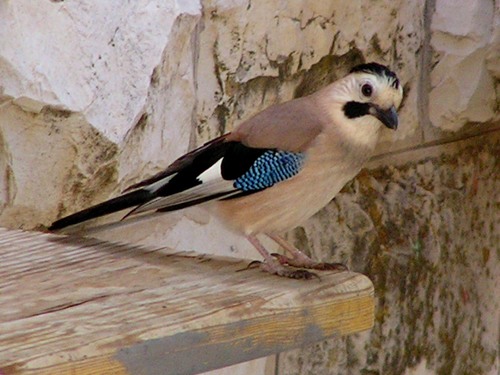 Ghiandaia
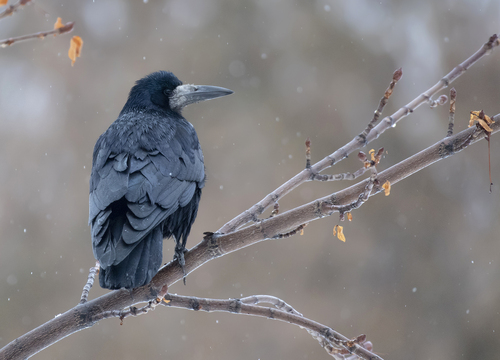 Corvo comune
In breve
Il segno di campo più affidabile per separare Ghiandaia da Corvo comune è il pannello delle ali a strisce blu e nere della Ghiandaia, visibile su uccelli posati e in volo di tutte le età, rispetto al piumaggio completamente nero del Corvo comune con una lucentezza blu-porpora e, negli adulti, una distintiva macchia bianca nuda alla base del becco. I Corvi comuni giovani mancano della macchia nuda e possono essere confusi con altri corvidi completamente neri, ma non mostrano mai il corpo marrone-rosato della Ghiandaia o l'ala blu. I Corvi comuni sono molto più grandi, più snelli e più gregari, mentre le Ghiandaie sono più piccole, più tozze e preferiscono la copertura boschiva. Se vedi un uccello marrone-rosato con un lampo d'ala blu, è una Ghiandaia; se è tutto nero e simile a un corvo, specialmente con un volto nudo pallido, è un Corvo comune.
Consigli di identificazione
- Pannello d'ala blu (tutte le età, tutte le stagioni): Solo la Ghiandaia mostra una brillante macchia blu con sottili barre nere sull'ala superiore, visibile sia quando è posata che in volo. Il Corvo comune non mostra mai blu o alcun colore diverso dal nero.
- Colore generale (tutte le età): La Ghiandaia è marrone-rosata con una gola bianca e un baffo nero; il Corvo comune è tutto nero con una lucentezza blu-porpora o blu (adulti e giovani).
- Caratteristiche facciali (adulti): I Corvi comuni adulti hanno una macchia di pelle bianca nuda alla base del becco e attorno all'occhio, facendo sembrare il becco più lungo e la testa più arrotondata. Le Ghiandaie hanno sempre facce piumate con un baffo nero e una corona striata.
- Confusione giovanile: I Corvi comuni giovani mancano della macchia facciale nuda e possono assomigliare ai corvi, ma sono ancora completamente neri e non mostrano mai tonalità marroni o blu. Le Ghiandaie di tutte le età mantengono la loro colorazione marrone-rosata e blu.
- Colore della coda: La Ghiandaia ha una coda nera che contrasta con il corpo marrone; la coda del Corvo comune è nera, abbinandosi al resto del piumaggio.
- Rump bianco (Ghiandaia): In volo, la Ghiandaia mostra un rump bianco; il Corvo comune no.
- Dimensioni e struttura: I Corvi comuni sono molto più grandi, con ali più lunghe e più snelli rispetto alle Ghiandaie, con un becco più pesante. Le Ghiandaie sono compatte e di dimensioni medie.
- Forma dell'ala in volo: I Corvi comuni hanno ali proporzionalmente più lunghe e più strette rispetto ai corvi o alle Ghiandaie, dando loro un volo più languido e planante. Le Ghiandaie hanno ali più corte e arrotondate e un volo più saltellante e diretto.
- Piumaggio delle gambe: I Corvi comuni hanno piumaggio più arruffato e più morbido attorno alle gambe rispetto ai corvi, ma questo non è un segno utile rispetto alla Ghiandaia.
- Colore del becco: Il becco del Corvo comune è grigio-nero; il becco della Ghiandaia è scuro ma meno massiccio.
- Comportamento: I Corvi comuni sono di solito in stormi, spesso rumorosi e appariscenti nei campi aperti. Le Ghiandaie sono solitarie o in coppie, timide e si attaccano a boschi o parchi alberati.
- Habitat: Le Ghiandaie sono uccelli boschivi, raramente avventurandosi in campi aperti; i Corvi comuni preferiscono terreni agricoli aperti e raramente si trovano in profondità nei boschi.
- Portare ghiande (Ghiandaia): Le Ghiandaie possono essere viste portare ghiande, specialmente in autunno, un comportamento non mostrato dai Corvi comuni.
- Postura posata: I Corvi comuni si posano eretti e sembrano snelli; le Ghiandaie sono più orizzontali e compatte.
- Vocalizzazione: Non diagnostico dai suoni, ma le Ghiandaie sono note per i loro stridi aspri, mentre i Corvi comuni hanno un tipico cawing simile a quello dei corvi.
Taglia
Il Corvo comune è significativamente più grande e più pesante della Ghiandaia. I Corvi comuni misurano 44–46 cm di lunghezza con un'apertura alare di 81–99 cm e pesano in media 453,5 g [wikidata], rendendoli molto più robusti della Ghiandaia, che è lunga 34–35 cm con un'apertura alare di 52–58 cm [wikipedia]. Sul campo, i Corvi comuni appaiono snelli e con ali lunghe, mentre le Ghiandaie sono compatte e di dimensioni medie per un corvide.
Piumaggio
-
Uccelli giovani/immaturi: I Corvi comuni giovani sono completamente neri con una leggera lucentezza verdognola e marrone-nera sul collo posteriore, sulla schiena e sulle parti inferiori. Mancano della macchia facciale bianca nuda degli adulti, rendendoli superficialmente simili ai corvi, ma non mostrano mai tonalità blu o marroni. La Ghiandaia di tutte le età mostra piumaggio marrone-rosato, una gola bianca bordata da un baffo nero, un rump bianco e—più distintivamente—un pannello blu brillante con sottili barre nere sull'ala superiore. Questo pannello d'ala blu è presente in tutti i piumaggi ed è diagnostico.
-
Adulti: I Corvi comuni adulti sono neri lucidi con una lucentezza blu-porpora o blu alla luce del sole. La loro caratteristica più distintiva è la pelle bianca nuda alla base del becco e attorno all'occhio, che non è mai mostrata dalle Ghiandaie. Le Ghiandaie mantengono il loro corpo marrone-rosato, il pannello d'ala blu e nero e la coda nera per tutta l'età adulta. La testa della Ghiandaia è striata di bianco con nero, e la coda è nera, in contrasto con il corpo.
-
In volo: Le Ghiandaie mostrano un rump bianco e un lampo di blu sull'ala superiore; i Corvi comuni sono completamente neri e mostrano ali proporzionalmente più lunghe e più strette rispetto ai corvi, ma senza contrasto di colore.
Comportamento
I Corvi comuni sono altamente gregari, spesso visti in grandi stormi rumorosi in campi aperti o posati insieme sugli alberi, specialmente vicino ai nidi. Camminano con un passo deciso e spesso cercano cibo a terra. Le Ghiandaie sono più riservate, tipicamente viste sole o in coppie, muovendosi attraverso i boschi o volando tra gli alberi. Le Ghiandaie sono accumulatrici di ghiande e possono essere viste portare ghiande nei loro becchi. È più probabile incontrare le Ghiandaie in aree boschive, spesso rivelandosi con un lampo di blu mentre volano tra la copertura.
Habitat
Le Ghiandaie sono specialiste dei boschi, preferendo foreste miste o ricche di querce, ma avventurandosi sempre più in parchi e giardini con alberi maturi. Sono raramente viste in campi aperti. I Corvi comuni, al contrario, favoriscono la campagna aperta, i terreni agricoli e i pascoli, spesso nidificando colonialmente in alberi alti vicino ai campi. I Corvi comuni sono raramente trovati in profondità nei boschi e sono molto più propensi a essere visti in paesaggi aperti o semi-aperti.