

gralha-de-nuca-cinzenta vs gralha-preta
Coloeus monedula versus Corvus corone
Jogue um quiz com gralha-de-nuca-cinzenta e gralha-preta
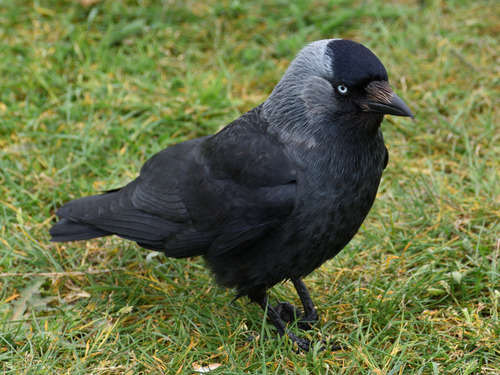 gralha-de-nuca-cinzenta
 gralha-preta
Em resumo
A maneira mais confiável de separar a gralha-de-nuca-cinzenta da gralha-preta é a íris pálida prateada ou esbranquiçada da gralha-de-nuca-cinzenta (adultos) e a nuca e bochechas cinza pálido contrastantes, que se destacam mesmo à distância, enquanto a gralha-preta é completamente preta com um olho escuro. As gralhas-de-nuca-cinzenta juvenis têm olhos azuis ou acastanhados, mas ainda mostram uma nuca mais clara e tamanho menor. Em voo, as gralhas-de-nuca-cinzenta são visivelmente menores, com asas mais curtas e arredondadas e um bater de asas rápido e irregular, em comparação com as asas maiores e mais largas da gralha-preta e o voo mais lento e constante. O tamanho e a forma do bico também são fundamentais: as gralhas-de-nuca-cinzenta têm um bico curto e grosso, enquanto as gralhas-preta têm um bico longo e pesado. Essas características, juntamente com diferenças em comportamento de agrupamento e vocalização, permitem uma separação confiante na maioria das situações de campo.
Dicas de identificação
- Cor da íris: As gralhas-de-nuca-cinzenta adultas têm olhos pálidos prateados ou esbranquiçados, visíveis mesmo à distância; as gralhas-preta sempre têm olhos castanho escuro ou pretos. As gralhas-de-nuca-cinzenta juvenis têm olhos azuis ou acastanhados, mas nunca tão escuros quanto as gralhas-preta adultas.
- Cor da nuca e bochechas: As gralhas-de-nuca-cinzenta mostram uma nuca e bochechas cinza pálido a prateado contrastantes, nitidamente destacadas da coroa e face pretas. As gralhas-preta são completamente pretas, sem áreas claras na cabeça ou pescoço, independentemente da idade.
- Tamanho e forma do bico: As gralhas-de-nuca-cinzenta têm um bico curto e grosso (cerca de 75% do comprimento do restante da cabeça), enquanto as gralhas-preta têm um bico longo, pesado e mais pontudo. Isso é especialmente óbvio de perfil ou ao se alimentar.
- Tamanho geral: As gralhas-de-nuca-cinzenta são muito menores e mais compactas do que as gralhas-preta. Se ambas estiverem presentes, a diferença é óbvia; as gralhas-de-nuca-cinzenta têm cerca de dois terços do comprimento e menos da metade da massa das gralhas-preta.
- Forma das asas e cauda em voo: As gralhas-de-nuca-cinzenta têm asas mais curtas e arredondadas e uma cauda mais curta, com batidas de asas rápidas e irregulares. As gralhas-preta têm asas mais largas, caudas mais longas e batidas de asas mais lentas e constantes. As gralhas-de-nuca-cinzenta costumam voar em bandos apertados e coordenados, enquanto as gralhas-preta são mais solitárias ou agrupadas de forma mais solta.
- Brilho da plumagem: Ambas as espécies são brilhantes, mas as gralhas-de-nuca-cinzenta podem mostrar um brilho roxo ou azul na coroa e nas secundárias, e um brilho verde-azulado na garganta, primárias e cauda. As gralhas-preta têm um brilho verde ou roxo em geral, mas isso é sutil e não costuma ser uma marca de campo confiável.
- Confusão juvenil: As gralhas-de-nuca-cinzenta jovens são mais apagadas e menos marcadas do que as adultas, com cabeças pretas sujas e bases de penas marrons, mas ainda mostram uma nuca mais clara e olhos azuis ou acastanhados. As gralhas-preta juvenis são completamente pretas, mas podem parecer mais marrons e ter olhos azuis; elas nunca mostram uma nuca ou bochechas claras.
- Comportamento de agrupamento: As gralhas-de-nuca-cinzenta são altamente sociais, frequentemente em grandes bandos barulhentos, especialmente em voo. As gralhas-preta geralmente são solitárias ou em pares, embora possam se reunir em fontes de alimento ou poleiros.
- Postura e andar: As gralhas-de-nuca-cinzenta ficam em pé e andam de forma rápida e ereta, enquanto as gralhas-preta têm um andar mais pesado e deliberado e uma aparência mais robusta e de pescoço longo.
- Vocalizações: As gralhas-de-nuca-cinzenta emitem chamados altos e agudos de "kya" ou "jack", frequentemente em séries rápidas; as gralhas-preta emitem chamados profundos e guturais de "kraa" ou "caw", mais lentos e ressonantes.
- Contexto de habitat: As gralhas-de-nuca-cinzenta são mais propensas a serem vistas ao redor de edifícios, chaminés e parques urbanos, frequentemente nidificando em cavidades. As gralhas-preta usam uma gama mais ampla de habitats, mas estão menos ligadas a estruturas humanas.
- Variação sazonal: A plumagem da gralha-de-nuca-cinzenta é mais fresca e brilhante logo após a muda do final do verão; aves desgastadas podem parecer mais apagadas, mas a nuca e o olho claros permanecem. As gralhas-preta não mostram forte variação sazonal nas marcas de campo.
- Diferenças sexuais: Ambas as espécies são essencialmente monomórficas em campo; o sexo não pode ser determinado de forma confiável pela plumagem ou estrutura.
- Armadilhas: À longa distância ou em pouca luz, as gralhas-de-nuca-cinzenta podem parecer completamente escuras e serem confundidas com gralhas-preta pequenas, especialmente juvenis. Sempre procure pela nuca e olho claros, e use tamanho e estrutura como marcas de apoio.
- Quando as marcas falham: Em silhueta ou em pouca luz, confie no tamanho, comportamento de agrupamento e estilo de voo. Se apenas o chamado for ouvido, a diferença de tom e ritmo geralmente é diagnóstica.
Tamanho
A gralha-preta é muito maior e mais pesada do que a gralha-de-nuca-cinzenta. As gralhas-preta adultas medem de 48 a 52 cm de comprimento e pesam de 400 a 600 g, com uma envergadura de 84 a 100 cm. Em contraste, as gralhas-de-nuca-cinzenta têm apenas de 34 a 39 cm de comprimento, pesam cerca de 240 g e têm uma envergadura proporcionalmente mais curta. Essa diferença de tamanho é óbvia quando ambas as espécies são vistas juntas, mas pode ser subestimada à distância ou com aves solitárias. As gralhas-de-nuca-cinzenta também têm uma postura mais compacta e ereta, enquanto as gralhas-preta são mais robustas e de pescoço mais longo.
Plumagem
- Juvenis: As gralhas-de-nuca-cinzenta jovens têm plumagem mais apagada e menos marcada do que as adultas, com cabeça preta suja e bases de penas marrons às vezes visíveis, mas ainda mostram uma nuca e bochechas cinza mais claras. Seus olhos são azuis, tornando-se acastanhados antes de clarear por volta de um ano. As gralhas-preta juvenis são completamente pretas, mas podem parecer mais marrons em geral, com olhos azuis que escurecem para marrom e depois para preto à medida que envelhecem.
- Adultos: As gralhas-de-nuca-cinzenta adultas têm uma nuca e bochechas pálido cinza a prateado distintas, coroa e face pretas, e partes inferiores cinza ardósia. Seus olhos são pálidos prateados ou esbranquiçados. As gralhas-preta são completamente pretas com um brilho verde ou roxo, olhos pretos e sem áreas claras contrastantes. Ambas as espécies têm pernas e bicos pretos, mas o bico da gralha-de-nuca-cinzenta é muito mais curto e grosso.
- Voo: Em voo, as gralhas-de-nuca-cinzenta mostram asas e cauda escuras uniformes, mas seu tamanho menor, asas mais curtas e batidas de asas rápidas e irregulares são distintivos. As gralhas-preta têm asas mais largas, batidas de asas mais lentas e um voo mais pesado e direto. Nenhuma das espécies mostra painéis de asas contrastantes ou bordas traseiras que ajudariam na separação em plumagens imaturas, mas a nuca clara da gralha-de-nuca-cinzenta pode às vezes ser vislumbrada mesmo em voo.
Comportamento
As gralhas-de-nuca-cinzenta são altamente sociais, frequentemente vistas em bandos apertados e barulhentos, especialmente em voo ou em poleiros. Elas se movem com um andar rápido e ereto no chão e se alimentam com a cabeça baixa ou horizontalmente. Seu voo é ágil, com frequentes deslizamentos, tumbos e curvas apertadas. As gralhas-preta são mais solitárias ou encontradas em pares, embora possam se reunir em pequenos grupos em fontes de alimento ou poleiros de inverno. As gralhas-preta andam com um passo mais lento e deliberado e têm um voo mais pesado e poderoso com batidas de asas mais lentas. As gralhas-de-nuca-cinzenta são mais propensas a serem vistas em grandes bandos coesos, enquanto as gralhas-preta geralmente estão sozinhas ou associadas de forma mais solta.
Habitat
Ambas as espécies são amplamente distribuídas e adaptáveis, encontradas em habitats urbanos, rurais e florestais. As gralhas-de-nuca-cinzenta são especialmente comuns ao redor de assentamentos humanos, parques e terras agrícolas, frequentemente nidificando em edifícios ou chaminés. As gralhas-preta usam uma gama mais ampla de habitats, incluindo campos abertos, florestas e áreas urbanas, mas estão menos ligadas a edifícios do que as gralhas-de-nuca-cinzenta. Onde ambas ocorrem, as gralhas-de-nuca-cinzenta são mais propensas a serem vistas em grandes bandos e mais próximas das pessoas.
Voz
As gralhas-de-nuca-cinzenta têm um chamado agudo e alto de "kya" ou "jack", frequentemente dado em séries rápidas e facilmente ouvido em bandos em voo. As gralhas-preta têm um "kraa" ou "caw" mais profundo e gutural, entregue em sequências mais lentas e deliberadas, às vezes acompanhadas por gestos de inclinação. A diferença de tom e timbre é geralmente óbvia: os chamados das gralhas-de-nuca-cinzenta são mais altos e tagarelas, enquanto os chamados das gralhas-preta são mais baixos e ressonantes.
gralha-de-nuca-cinzenta · gralha-preta · Minhas aves difíceis