

Taccola vs Cornacchia nera
Coloeus monedula contro Corvus corone
Fai un quiz con Taccola e Cornacchia nera
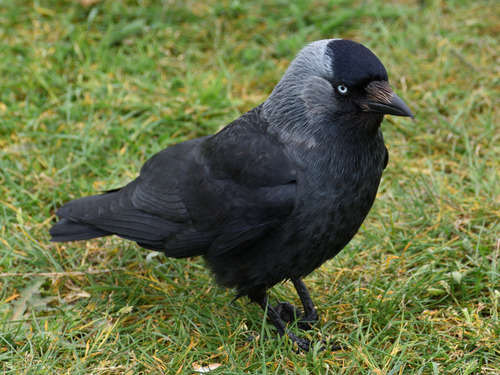 Taccola
 Cornacchia nera
In breve
Il modo più affidabile per separare la Taccola dalla Cornacchia nera è l'iride pallida argentata o bianca della taccola (adulti) e la nuca e le guance grigie chiare a contrasto, che si notano anche da lontano, mentre la Cornacchia nera è completamente nera con un occhio scuro. Le taccole juvenile hanno occhi blu o marroni, ma mostrano comunque una nuca più chiara e dimensioni più piccole. In volo, le taccole sono notevolmente più piccole, con ali più corte e arrotondate e un battito d'ali rapido e irregolare, rispetto alle ali più grandi e più larghe della cornacchia e al volo più lento e costante. La dimensione e la forma del becco sono anche fondamentali: le taccole hanno un becco corto e tozzo, mentre le cornacchie hanno un becco lungo e pesante. Queste caratteristiche, insieme alle differenze nel comportamento di gruppo e nel canto, consentono una separazione sicura nella maggior parte delle situazioni sul campo.
Consigli di identificazione
- Iris color: Le taccole adulte hanno occhi pallidi argentati o bianchi, visibili anche da lontano; le cornacchie hanno sempre occhi marroni scuri o neri. Le taccole juvenile hanno occhi blu o marroni, ma mai così scuri come le cornacchie adulte.
- Nape and cheek color: Le taccole mostrano una nuca e guance grigie chiare a contrasto, nettamente distinte dalla corona e dal viso neri. Le cornacchie sono completamente nere senza aree chiare sulla testa o sul collo, indipendentemente dall'età.
- Bill size and shape: Le taccole hanno un becco corto e tozzo (circa il 75% della lunghezza del resto della testa), mentre le cornacchie hanno un becco lungo, pesante e più appuntito. Questo è particolarmente evidente di profilo o quando si nutrono.
- Overall size: Le taccole sono molto più piccole e compatte delle cornacchie. Se entrambe sono presenti, la differenza è evidente; le taccole sono circa due terzi della lunghezza e meno della metà della massa delle cornacchie.
- Wing and tail shape in flight: Le taccole hanno ali più corte e arrotondate e una coda più corta, con battiti d'ali rapidi e irregolari. Le cornacchie hanno ali più larghe, code più lunghe e battiti d'ali più lenti e costanti. Le taccole volano spesso in gruppi coordinati e compatti, mentre le cornacchie sono più solitarie o raggruppate in modo più disperso.
- Plumage gloss: Entrambe le specie sono lucide, ma le taccole possono mostrare una lucentezza viola o blu sulla corona e sulle secondarie, e una lucentezza verde-blu sulla gola, primarie e coda. Le cornacchie hanno una lucentezza verde o viola in generale, ma questa è sottile e di solito non è un segno di campo affidabile.
- Juvenile confusion: Le giovani taccole sono più opache e meno marcate rispetto agli adulti, con teste nere fuligginose e basi delle piume marroni, ma mostrano comunque una nuca più chiara e occhi blu o marroni. Le cornacchie juvenile sono completamente nere ma possono apparire più marroni e avere occhi blu; non mostrano mai una nuca o guance chiare.
- Flocking behavior: Le taccole sono altamente sociali, spesso in grandi gruppi rumorosi, specialmente in volo. Le cornacchie sono solitamente solitarie o in coppie, anche se possono radunarsi per il cibo o nei posatoi.
- Posture and gait: Le taccole stanno erette e camminano con passo vivace, mentre le cornacchie hanno una camminata più pesante e deliberata e un aspetto più massiccio e dal collo lungo.
- Vocalizations: Le taccole emettono richiami acuti e taglienti "kya" o "jack", spesso in serie rapide; le cornacchie emettono richiami profondi e gutturali "kraa" o "caw", più lenti e più risonanti.
- Habitat context: Le taccole sono più propense a essere viste intorno a edifici, camini e parchi urbani, spesso nidificando in cavità. Le cornacchie utilizzano una gamma più ampia di habitat ma sono meno legate alle strutture umane.
- Seasonal variation: Il piumaggio delle taccole è più fresco e lucido subito dopo la muta di fine estate; gli uccelli usurati possono apparire più opachi, ma la nuca e l'occhio chiaro rimangono. Le cornacchie non mostrano una forte variazione stagionale nei segni di campo.
- Sex differences: Entrambe le specie sono essenzialmente monomorfiche sul campo; il sesso non può essere determinato in modo affidabile dal piumaggio o dalla struttura.
- Pitfalls: A lunga distanza o in scarsa luce, le taccole possono apparire completamente scure e essere scambiate per piccole cornacchie, specialmente le juvenile. Cerca sempre la nuca e l'occhio chiaro e usa dimensione e struttura come segni di supporto.
- When marks fail: In silhouette o in scarsa luce, fai affidamento su dimensione, comportamento di gruppo e stile di volo. Se si sente solo il richiamo, la differenza di tono e ritmo è di solito diagnostica.
Taglia
La Cornacchia nera è molto più grande e pesante della Taccola. Le cornacchie adulte misurano 48–52 cm di lunghezza e pesano 400–600 g, con un'apertura alare di 84–100 cm. Al contrario, le taccole sono lunghe solo 34–39 cm, pesano circa 240 g e hanno un'apertura alare proporzionalmente più corta. Questa differenza di dimensioni è evidente quando entrambe le specie sono viste insieme, ma può essere sottovalutata a distanza o con uccelli solitari. Le taccole hanno anche una postura più compatta e eretta, mentre le cornacchie sono più massicce e dal collo lungo.
Piumaggio
- Juveniles: Le giovani taccole hanno un piumaggio più opaco e meno marcato rispetto agli adulti, con una testa nera fuligginosa e basi delle piume marroni a volte visibili, ma mostrano comunque una nuca e guance grigie più chiare. I loro occhi sono blu, che diventano marroni prima di schiarirsi a circa un anno. Le cornacchie juvenile sono completamente nere ma possono apparire più marroni in generale, con occhi blu che scuriscono a marrone e poi a nero man mano che invecchiano.
- Adults: Le taccole adulte hanno una nuca e guance grigie chiare a contrasto, corona e viso neri e parti inferiori grigio ardesia. I loro occhi sono pallidi argentati o bianchi. Le Cornacchie nere sono completamente nere con una lucentezza verde o viola, occhi neri e nessuna area chiara a contrasto. Entrambe le specie hanno zampe e becchi neri, ma il becco della taccola è molto più corto e tozzo.
- Flight: In volo, le taccole mostrano ali e coda scure uniformi, ma la loro dimensione più piccola, ali più corte e battiti d'ali rapidi e irregolari sono distintivi. Le Cornacchie nere hanno ali più larghe, battiti d'ali più lenti e un volo più pesante e diretto. Nessuna delle due specie mostra pannelli alari a contrasto o bordi posteriori che aiuterebbero a separare i piumaggi immaturi, ma la nuca chiara della taccola può a volte essere intravista anche in volo.
Comportamento
Le taccole sono altamente sociali, spesso viste in gruppi compatti e rumorosi, specialmente in volo o nei posatoi. Si muovono con un passo vivace e eretto a terra e si nutrono con la testa tenuta in basso o orizzontalmente. Il loro volo è agile, con frequenti planate, capovolte e curve strette. Le Cornacchie nere sono più solitarie o si trovano in coppie, anche se possono radunarsi in piccoli gruppi presso fonti di cibo o posatoi invernali. Le cornacchie camminano con un passo più lento e deliberato e hanno un volo più pesante e potente con battiti d'ali più lenti. Le taccole sono più propense a essere viste in grandi gruppi coesi, mentre le cornacchie sono solitamente sole o associate in modo più disperso.
Habitat
Entrambe le specie sono diffuse e adattabili, trovate in habitat urbani, rurali e forestali. Le taccole sono particolarmente comuni intorno agli insediamenti umani, parchi e terreni agricoli, spesso nidificando in edifici o camini. Le Cornacchie nere utilizzano una gamma più ampia di habitat, tra cui campagne aperte, boschi e aree urbane, ma sono meno legate agli edifici rispetto alle taccole. Dove entrambe si trovano, le taccole sono più propense a essere viste in grandi gruppi e in prossimità delle persone.
Voce
Le taccole hanno un richiamo acuto e stridulo "kya" o "jack", spesso emesso in serie rapide e facilmente udibile nei gruppi in volo. Le Cornacchie nere hanno un "kraa" o "caw" più profondo e gutturale, emesso in sequenze più lente e deliberate, a volte accompagnato da gesti di inchino. La differenza di tono e timbro è di solito evidente: i richiami delle taccole sono più alti e chiacchieroni, mentre i richiami delle cornacchie sono più bassi e più risonanti.