

melro vs melro-de-colar
Turdus merula versus Turdus torquatus
Jogue um quiz com melro e melro-de-colar
 melro
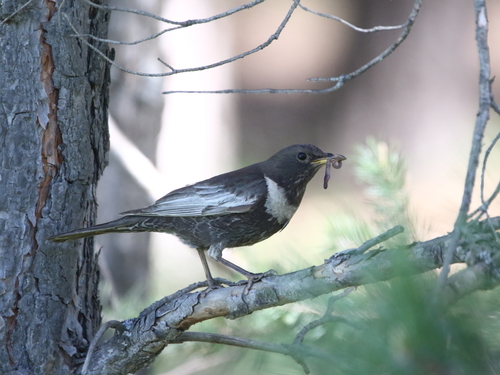 melro-de-colar
Em resumo
A marca de campo mais confiável entre o melro e o melro-de-colar é a presença de um ousado crescente branco no peito dos melros-de-colar adultos, ausente em todos os melros. Para aves imaturas, concentre-se na asa: melros-de-colar juvenis e de primeiro inverno mostram um painel de asa pálido, enquanto os jovens melros têm asas uniformemente marrons sem um painel pálido. Os melros adultos machos são pretos brilhantes com um anel ocular amarelo e bico, mas não apresentam branco no peito. Ambas as espécies são semelhantes em tamanho e forma, mas o melro-de-colar é tipicamente encontrado em habitats de montanha ou de alta altitude, enquanto o melro é uma ave comum de jardins e florestas em áreas de baixa altitude. Em voo, o painel de asa pálido dos jovens melros-de-colar e o crescente branco contrastante do peito dos adultos são as maneiras mais rápidas de separá-los.
Dicas de identificação
- Crescente branco no peito: Os melros-de-colar adultos sempre mostram um ousado crescente branco no peito, visível tanto empoleirados quanto em voo. Nenhum melro de qualquer idade ou sexo apresenta essa marca.
- Painel de asa pálido (juvenil/primeiro inverno): Melros-de-colar juvenis e de primeiro inverno têm um painel pálido distinto na asa (bordas e pontas pálidas das penas da asa), melhor visto em voo ou quando empoleirados com as asas fechadas. Melros juvenis têm asas uniformemente marrons sem painel pálido.
- Preto brilhante vs. preto escamado: Os melros adultos machos são pretos brilhantes por toda parte, sem escamas ou bordas pálidas. Os melros-de-colar machos adultos são pretos, mas com escamas cinzentas estreitas nas partes superiores e na barriga, e asas com bordas pálidas.
- Cor do bico e anel ocular: Os melros adultos machos têm um bico amarelo-laranja brilhante e um anel ocular amarelo, especialmente na primavera e no verão. Os melros-de-colar têm um bico amarelo, mas não apresentam o anel ocular brilhante. Fêmeas e jovens melros têm bicos mais opacos.
- Confusão entre fêmeas/juvenis: Fêmeas e jovens melros-de-colar são mais marrons e menos contrastantes, mas ainda mostram pelo menos um leve crescente no peito e um painel de asa pálido. Fêmeas de melros são marrons-sujo com peitos manchados, mas nunca mostram um crescente branco ou painel de asa pálido.
- Padrão do peito: Fêmeas e juvenis de melros podem mostrar alguma mancha ou pontilhado no peito, mas nunca um crescente branco bem definido.
- Habitat: Em jardins, parques ou florestas de baixa altitude, um thrush preto é quase sempre um melro. Em áreas de alta altitude, rochosas ou de charneca, especialmente durante a migração ou reprodução, verifique cuidadosamente por melro-de-colar.
- Visões em voo: Em voo, procure o painel de asa pálido nos jovens melros-de-colar e o crescente branco no peito dos adultos. Melros em voo são uniformes em cor, sem painel de asa pálido ou marca no peito.
- Contexto sazonal: Melros-de-colar estão principalmente presentes em áreas de alta altitude durante a temporada de reprodução e migram por áreas mais baixas na primavera e no outono. Melros são residentes durante todo o ano na maioria das áreas.
- Estrutura: Ambas as espécies têm estrutura de thrush semelhante (cauda longa, cabeça arredondada), então confie na plumagem e no habitat em vez da forma.
- Cor do bico em aves jovens: Melros machos de primeiro ano têm um bico escuro e um anel ocular fraco, o que pode causar confusão com o melro-de-colar, mas não apresentam o painel de asa pálido e o crescente no peito.
- Cor das pernas: Melros têm pernas marrons-escuras; melros-de-colar têm pernas cinzentas-marrons. Isso é sutil e raramente diagnóstico à distância.
- Voz: Não abordado em detalhes aqui, mas os chamados e canções diferem; no campo, marcas visuais são mais confiáveis para separação rápida.
- Tempos de muda: Melros-de-colar adultos passam por uma muda completa após a reprodução; juvenis têm uma muda parcial, mas o painel de asa pálido persiste em aves de primeiro inverno.
- Armadilhas: A principal armadilha é confundir melros-de-colar juvenis/primeiro inverno (com leve crescente no peito e painel de asa pálido) com fêmeas/juvenis de melros (que não apresentam nenhuma das duas marcas). Sempre verifique o painel de asa e o crescente no peito em aves jovens.
Tamanho
Ambas as espécies são thrushes de tamanho médio com proporções semelhantes. O melro mede 23,5–29 cm de comprimento e pesa 80–125 g, enquanto o melro-de-colar mede 23–24 cm de comprimento e pesa 90–138 g. Isso significa que o melro-de-colar é ligeiramente mais pesado em média, mas a diferença é sutil e geralmente não útil no campo. A estrutura (cauda longa, cabeça arredondada, asas pontudas) é amplamente semelhante, então o tamanho sozinho raramente é diagnóstico.
Plumagem
- Juvenil/Primeiro inverno: Melros-de-colar juvenis têm um crescente no peito fraco ou ausente, mas sempre mostram um painel de asa pálido (bordas e pontas pálidas das penas da asa), que falta em melros juvenis. Jovens melros são marrons por cima com manchas pálidas nas partes superiores e um peito pontilhado, mas suas asas são uniformemente marrons sem painel pálido.
- Machos adultos: Melros-de-colar machos adultos são pretos com um crescente branco conspícuo no peito, escamas cinzentas estreitas nas partes superiores e na barriga, e um painel de asa com bordas pálidas. Melros adultos machos são pretos brilhantes em geral, com um anel ocular amarelo e bico amarelo-laranja, mas nunca mostram um crescente branco no peito ou painel de asa pálido.
- Fêmeas adultas: Fêmeas de melros-de-colar são mais marrons que os machos, com uma faixa branca no peito mais opaca e bordas pálidas no queixo e na garganta. Fêmeas de melros são marrons-sujo com um bico amarelo-acastanhado opaco, garganta branca-acastanhada e fraca mancha no peito, mas não apresentam nenhum crescente branco no peito ou painel de asa pálido.
- Bico e anel ocular: Melros machos adultos têm um bico amarelo brilhante ou amarelo-laranja e um anel ocular amarelo, que os melros-de-colar não têm (seu bico é amarelo, mas não possui o anel ocular brilhante). Melros machos de primeiro ano têm um bico escuro e um anel ocular fraco.
Comportamento
Ambas as espécies são thrushes típicos em movimento e alimentação, mas o melro é mais provável de ser visto forrageando sozinho ou em pares em jardins, parques e florestas, frequentemente correndo e parando em gramados. O melro-de-colar é mais frequentemente encontrado em terrenos abertos de alta altitude, alimentando-se no chão ou em arbustos baixos, e é menos confiante. Melros são territoriais durante todo o ano se a comida estiver disponível, enquanto os melros-de-colar são mais migratórios e formam bandos soltos fora da temporada de reprodução. Em voo, os melros mostram movimento rápido e ágil com explosões de batidas rápidas das asas, enquanto os melros-de-colar podem parecer ligeiramente mais diretos e menos ondulantes.
Habitat
O melro é amplamente distribuído em habitats de baixa altitude: jardins, parques, florestas e áreas urbanas. O melro-de-colar é um especialista em habitats de alta altitude, montanhosos ou de charneca, especialmente durante a temporada de reprodução. Se você ver um 'thrush preto' em um parque da cidade ou floresta de baixa altitude, é quase certamente um melro. Em contraste, um pássaro semelhante em áreas remotas, rochosas ou dominadas por urzes é provavelmente um melro-de-colar.