

Merel vs Beflijster
Turdus merula versus Turdus torquatus
Speel een quiz met Merel en Beflijster
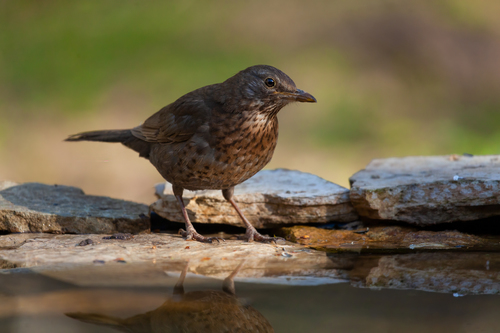 Merel
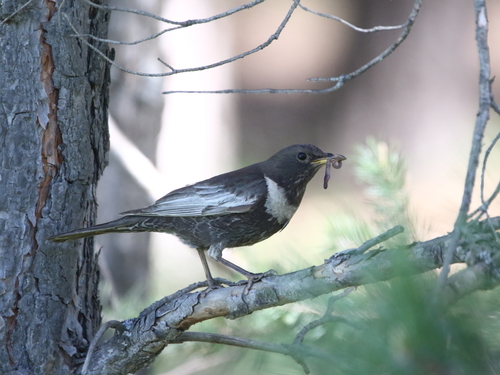 Beflijster
Kort gezegd
Het meest betrouwbare veldkenmerk tussen Merel en Beflijster is de aanwezigheid van een gedurfde witte borstmaantje bij volwassen Beflijsters, afwezig bij alle Merels. Voor onvolwassen vogels, focus op de vleugel: juvenile en eerste-winter Beflijsters tonen een bleke vleugelpaneel, terwijl jonge Merels uniform bruine vleugels hebben zonder een bleke paneel. Volwassen mannelijke Merels zijn glanzend zwart met een gele oogring en snavel, maar missen enige wit op de borst. Beide soorten zijn vergelijkbaar in grootte en vorm, maar Beflijster wordt typisch aangetroffen in hoogland of bergachtige habitats, terwijl Merel een veelvoorkomende laagland tuin- en bosvogel is. In de vlucht zijn het bleke vleugelpaneel van jonge Beflijsters en de contrasterende witte borstmaantje van volwassenen de snelste manieren om ze te scheiden.
Herkenningstips
- Witte borstmaantje: Volwassen Beflijsters tonen altijd een gedurfde witte maantje over de borst, zichtbaar zowel zittend als in de vlucht. Geen enkele Merel van welke leeftijd of geslacht dan ook toont dit kenmerk.
- Bleke vleugelpaneel (juveniel/eerste-winter): Juveniele en eerste-winter Beflijsters hebben een duidelijke bleke paneel op de vleugel (brede bleke randen en punten op de vleugelveren), het beste zichtbaar in de vlucht of wanneer ze zittend met gesloten vleugels zijn. Juveniele Merels hebben uniform bruine vleugels zonder bleke paneel.
- Glanzend zwart vs. geschaald zwart: Volwassen mannelijke Merels zijn glanzend zwart overal, zonder schaling of bleke randen. Volwassen mannelijke Beflijsters zijn zwart maar met smalle grijzige schaling op de bovenkant en buik, en bleke randen op de vleugels.
- Snavel kleur en oogring: Volwassen mannelijke Merels hebben een heldere oranje-gele snavel en een gele oogring, vooral in de lente en zomer. Beflijsters hebben een gele snavel maar missen de heldere oogring. Vrouwelijke en jonge Merels hebben doffere snavels.
- Vrouwelijke/juveniele verwarring: Vrouwelijke en jonge Beflijsters zijn bruiner en minder contrasterend, maar tonen nog steeds ten minste een vage borstmaantje en een bleke vleugelpaneel. Vrouwelijke Merels zijn roetbruin met gemarmerde borsten maar tonen nooit een witte maantje of bleke vleugelpaneel.
- Borstmuster: Vrouwelijke en juveniele Merels kunnen enige gemarmering of spikkeling op de borst tonen, maar nooit een scherp gedefinieerde witte maantje.
- Habitat: In laagland tuinen, parken of bossen is een zwarte lijster bijna altijd een Merel. In hoogland, rotsachtige of moorland gebieden, vooral tijdens migratie of broeden, controleer zorgvuldig op Beflijster.
- Vluchtzicht: In de vlucht, let op het bleke vleugelpaneel in jonge Beflijsters en de witte borstmaantje in volwassenen. Merels in de vlucht zijn uniform van kleur, zonder bleke vleugelpaneel of borstkenmerk.
- Seizoenscontext: Beflijsters zijn meestal aanwezig in hooglanden tijdens het broedseizoen en migreren door lagere gebieden in de lente en herfst. Merels zijn het hele jaar door resident in de meeste gebieden.
- Structuur: Beide soorten hebben een vergelijkbare lijsterstructuur (lange staart, ronde kop), dus vertrouw op het verenkleed en habitat in plaats van op de vorm.
- Snavel kleur in jonge vogels: Eerstejaars mannelijke Merels hebben een donkere snavel en zwakke oogring, wat verwarring met Beflijster kan veroorzaken, maar missen de bleke vleugelpaneel en borstmaantje.
- Pootkleur: Merels hebben zwartachtig-brown poten; Beflijsters hebben grijzig-brown poten. Dit is subtiel en zelden diagnostisch op afstand.
- Stem: Niet in detail behandeld hier, maar roepen en zang verschillen; in het veld zijn visuele kenmerken betrouwbaarder voor snelle scheiding.
- Rui timing: Volwassen Beflijsters ondergaan een volledige rui na het broeden; juvenielen hebben een gedeeltelijke rui, maar het bleke vleugelpaneel blijft bestaan in eerste-winter vogels.
- Valstrikken: De belangrijkste valstrik is het verwarren van juvenile/eerste-winter Beflijsters (met vage borstmaantje en bleke vleugelpaneel) voor vrouwelijke/juveniele Merels (die beide kenmerken missen). Controleer altijd op het vleugelpaneel en borstmaantje in jonge vogels.
Grootte
Beide soorten zijn middelgrote lijsters met vergelijkbare verhoudingen. Merel meet 23,5–29 cm in lengte en weegt 80–125 g, terwijl Beflijster 23–24 cm lang is en 90–138 g weegt. Dit betekent dat Beflijster gemiddeld iets zwaarder is, maar het verschil is subtiel en meestal niet nuttig in het veld. De structuur (lange staart, ronde kop, puntige vleugels) is globaal vergelijkbaar, dus grootte alleen is zelden diagnostisch.
Verenkleed
- Juveniel/Eerste-winter: Juveniele Beflijsters hebben een vage of afwezig borstmaantje maar tonen altijd een bleke vleugelpaneel (brede bleke randen en punten op de vleugelveren), die ontbreekt bij juvenile Merels. Jonge Merels zijn bruin boven met bleke vlekken op de bovenkant en een gespikkelde borst, maar hun vleugels zijn uniform bruin zonder bleke paneel.
- Volwassen mannelijke: Volwassen mannelijke Beflijsters zijn zwart met een opvallende witte borstmaantje, smalle grijzige schaling op de bovenkant en buik, en een bleke vleugelpaneel. Volwassen mannelijke Merels zijn overal glanzend zwart, met een gele oogring en oranje-gele snavel, maar tonen nooit een witte borstmaantje of bleke vleugelpaneel.
- Volwassen vrouwelijke: Vrouwelijke Beflijsters zijn bruiner dan mannelijke, met een doffere witte borstband en bleke randen op de kin en keel. Vrouwelijke Merels zijn roetbruin met een doffe geelachtig-bruinachtige snavel, bruinachtig-witte keel, en zwakke gemarmering op de borst, maar missen enige witte borstmaantje of bleke vleugelpaneel.
- Snavel en oogring: Volwassen mannelijke Merels hebben een heldere gele of oranje-gele snavel en een gele oogring, die Beflijsters missen (hun snavel is geel maar mist de heldere oogring). Eerstejaars mannelijke Merels hebben een donkere snavel en zwakke oogring.
Gedrag
Beide soorten zijn typische lijsters in beweging en voeding, maar Merel is waarschijnlijker te zien terwijl hij alleen of in paren foerageert in tuinen, parken en bossen, vaak rennend en pauzerend op gazons. Beflijster wordt vaker aangetroffen in open hoogland terrein, voedend op de grond of in lage struiken, en is minder vertrouwelijk. Merels zijn het hele jaar door territoriaal als er voedsel beschikbaar is, terwijl Beflijsters migratiever zijn en losse groepen vormen buiten het broedseizoen. In de vlucht tonen Merels snelle, wendbare beweging met uitbarstingen van snelle vleugelslagen, terwijl Beflijsters iets directer en minder golvend kunnen lijken.
Habitat
Merel is wijdverspreid in laagland habitats: tuinen, parken, bossen en stedelijke gebieden. Beflijster is een specialist van hoogland, bergachtige of heidehabitats, vooral tijdens het broedseizoen. Als je een 'zwarte lijster' in een stadspark of laagland bos ziet, is het bijna zeker een Merel. In tegenstelling tot dat, is een vergelijkbare vogel in afgelegen, rotsachtige of heide-dominante hooglanden waarschijnlijk een Beflijster.