

abetouro vs yellow bittern
Botaurus stellaris versus Botaurus sinensis
Jogue um quiz com abetouro e yellow bittern
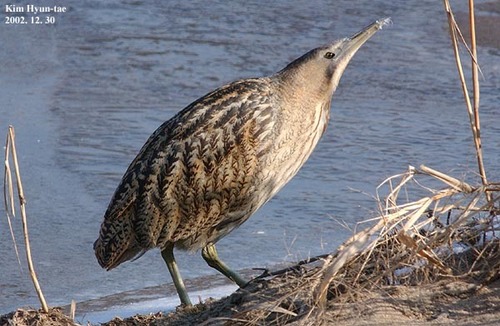 abetouro
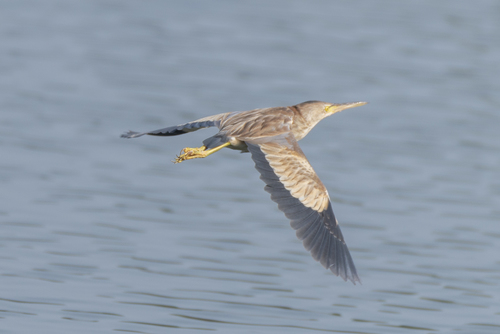 yellow bittern
Em resumo
A maneira mais confiável de separar o abetouro do yellow bittern é pelo tamanho e estrutura: o abetouro é uma garça enorme e robusta, enquanto o yellow bittern é muito menor e mais delicado. Em voo, o abetouro exibe asas largas e arredondadas e uma silhueta poderosa e pesada; o yellow bittern é compacto, com um pescoço e cauda mais curtos. As diferenças de plumagem também são marcantes: o abetouro é fortemente listrado e riscado em tons de buff e marrom, enquanto o yellow bittern (especialmente os machos adultos) apresenta uma coroa escura e um pescoço castanho-avermelhado, com muito menos riscas no geral. Os juvenis e fêmeas de yellow bittern são listrados, mas ainda carecem das riscas pesadas e abrangentes do abetouro. Se você ver um grande bittern com padrão críptico em juncos densos, verifique o tamanho maciço e as listras ousadas do abetouro antes de considerar o yellow bittern.
Dicas de identificação
- O tamanho é a marca mais decisiva: O abetouro é enorme e robusto; o yellow bittern é pequeno e esguio. Se você ver ambos juntos, a diferença é inconfundível, mas mesmo aves solitárias podem ser julgadas em comparação com juncos ou outras garças.
- Silhueta em voo: O abetouro tem asas largas e arredondadas e um voo pesado e lento com pernas arrastadas e um corpo grosso. O yellow bittern é compacto, com um pescoço e cauda mais curtos, e voa de forma mais rápida e leve.
- Estrutura do bico e cabeça: O bico do abetouro é mais longo, mais grosso e amarelo-esverdeado com uma ponta escura; o bico do yellow bittern é marfim (mais escuro na parte superior) e mais fino.
- Coroa e nuca: O abetouro apresenta uma coroa e nuca pretas com pontas em buff, muitas vezes com uma textura solta e peluda. Os machos adultos de yellow bittern têm uma coroa escura sólida, enquanto fêmeas e juvenis têm coroas listradas.
- Padrão do pescoço e peito: O abetouro tem um pescoço amarelo-buff com riscas pretas fortes e uma faixa bigode castanho-escura. Os machos de yellow bittern têm um pescoço castanho-avermelhado, enquanto fêmeas e juvenis são listrados, mas não fortemente riscado.
- Manto e costas: As costas e escapulares do abetouro são fortemente riscado e listrado; o yellow bittern é amarelo opaco acima (macho) ou ruivo e listrado (fêmea/juvenil), mas nunca tão fortemente padronizado.
- Partes inferiores: O abetouro é buff com largas listras marrons nas laterais e listras centrais estreitas; o yellow bittern é buff embaixo, com listras apenas em fêmeas/juvenis, nunca tão ousadas quanto as do abetouro.
- Cor das pernas: O abetouro tem pernas amarelo-esverdeadas com amarelo na articulação tarsal e solas amarelas; o yellow bittern tem pernas amarelo-esverdeadas.
- Cor dos olhos: Ambos têm íris amarelas, então isso não é útil para separação.
- Cauda: A cauda do abetouro é castanho-avermelhada com listras e manchas pretas; a cauda do yellow bittern é curta e preta.
- Comportamento quando perturbado: Ambos congelam com o bico para cima, mas o volume do abetouro e o escudo caído de penas longas da garganta e peito são distintivos.
- Confusão juvenil: Os juvenis de yellow bittern são listrados e manchados, mas carecem da risca densa e da aparência robusta dos juvenis de abetouro. Sempre verifique o padrão geral e a estrutura.
- Sobreposição de habitat: Ambas as espécies preferem juncos densos, mas o abetouro é mais provável em grandes leitos de juncos temperados, enquanto o yellow bittern é encontrado em pântanos menores ou mais tropicais.
- Diferenças sexuais: Apenas o yellow bittern apresenta forte dimorfismo sexual (macho com coroa escura e pescoço castanho-avermelhado; fêmea listrada); os sexos do abetouro são semelhantes, com machos maiores.
- Quando em dúvida: Se a ave parecer maciça, com pescoço grosso e fortemente riscada, é o abetouro. Se for pequena, compacta e menos padronizada, é o yellow bittern.
Tamanho
O abetouro é dramaticamente maior: a massa corporal média é superior a 2400 g, com um comprimento de 69–81 cm e uma envergadura de 100–130 cm. O yellow bittern tem menos da metade do comprimento (36–38 cm) e é muito mais leve, com uma construção mais esguia e delicada. No campo, o abetouro aparece como uma garça robusta e maciça, enquanto o yellow bittern é notavelmente pequeno, mesmo em comparação com outras garças pequenas. A diferença é tão grande que a confusão direta é improvável se ambas as espécies forem familiares, mas aves solitárias em juncos densos podem causar erros, especialmente com juvenis.
Plumagem
- Aves juvenis/imaturas: Os juvenis de abetouro são semelhantes aos adultos, mas mais pálidos e menos distintamente marcados, ainda mostrando forte riscas e listras por toda parte. Os juvenis de yellow bittern se assemelham às fêmeas, com listras ousadas na cabeça e costas e manchas em buff acima, mas carecem da risca densa e pesada do abetouro.
- Adultos: Os adultos de abetouro são, em geral, castanho-buff com forte risca preta e listras na cabeça, pescoço, costas e partes inferiores. A coroa e a nuca são pretas com pontas em buff, e o supercílio é amarelo-buff. Os machos adultos de yellow bittern têm uma coroa escura e cabeça e pescoço castanho-avermelhados, com costas amarelo opacas e partes inferiores em buff, sem a forte risca do abetouro. As fêmeas são listradas na coroa, pescoço e peito, com uma nuca e parte superior das costas ruivas, mas ainda não se aproximam do padrão ousado do abetouro. Ambas as espécies têm íris amarelas, mas o bico do yellow bittern é marfim (mais escuro em cima) e as pernas são amarelo-esverdeadas, enquanto o bico do abetouro é amarelo-esverdeado com uma ponta mais escura e as pernas são verde-oliva com destaques amarelos.
Comportamento
O abetouro é geralmente solitário, extremamente secreto e se move lentamente ou congela com o bico apontado para cima ('bitterning'), misturando-se perfeitamente aos juncos. É mais ativo ao amanhecer e ao anoitecer, raramente voando, exceto quando alimentando filhotes. Em voo, exibe asas largas e arredondadas e uma silhueta pesada e arrastada com pernas estendidas. O yellow bittern também é secreto e prefere vegetação densa, mas seu tamanho menor e pescoço mais curto tornam seus movimentos mais delicados e menos pesados. Ambas as espécies podem congelar para evitar detecção, mas o tamanho e volume do abetouro são distintivos quando vistos bem.
Habitat
Ambas as espécies são especialistas em leitos de juncos, preferindo vegetação densa e pantanosa perto da água. O abetouro é encontrado em extensos leitos de juncos por toda a Eurásia, enquanto o yellow bittern ocupa habitats semelhantes no subcontinente indiano, Leste Asiático e Sudeste Asiático. A sobreposição é possível em algumas regiões, mas o abetouro é muito mais provável em zonas temperadas, e o yellow bittern domina em áreas tropicais e subtropicais da Ásia. Ambas podem ser difíceis de ver, muitas vezes permanecendo escondidas, exceto quando são assustadas ou durante o voo.