

Avetoro Común vs Avetorillo Chino
Botaurus stellaris frente a Botaurus sinensis
Juega un quiz con Avetoro Común y Avetorillo Chino
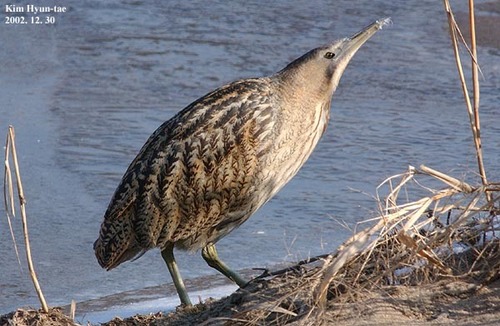 Avetoro Común
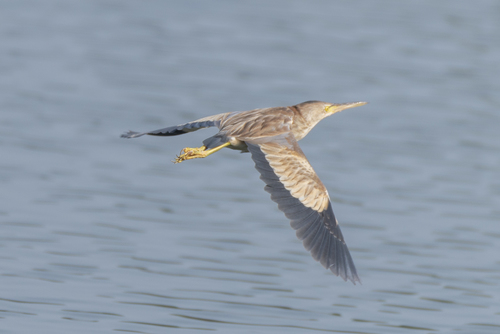 Avetorillo Chino
En breve
La forma más confiable de separar el Avetoro Común del Avetorillo Chino es por tamaño y estructura: el Avetoro Común es una garza enorme y robusta, mientras que el Avetorillo Chino es mucho más pequeño y más delicado. En vuelo, el Avetoro Común muestra alas anchas y redondeadas y un vuelo poderoso y pesado; el Avetorillo Chino es compacto con un cuello y cola más cortos. Las diferencias en el plumaje también son marcadas: el Avetoro Común tiene un patrón de rayas y barras en tonos marrón y beige, mientras que el Avetorillo Chino (especialmente los machos adultos) muestra una corona oscura y un cuello castaño, con muchas menos barras en general. Los juveniles y las hembras de Avetorillo Chino tienen rayas, pero aún carecen de las pesadas barras del Avetoro Común. Si ves un avetoro grande con un patrón críptico en cañas densas, verifica el tamaño masivo y las rayas audaces del Avetoro Común antes de considerar el Avetorillo Chino.
Consejos de identificación
- El tamaño es la marca más decisiva: el Avetoro Común es enorme y robusto; el Avetorillo Chino es pequeño y delgado. Si ves ambos juntos, la diferencia es inconfundible, pero incluso los pájaros solitarios pueden ser juzgados en comparación con las cañas u otras garzas.
- Silhouette de vuelo: el Avetoro Común tiene alas anchas y redondeadas y un vuelo pesado y lento con patas arrastradas y un cuerpo grueso. El Avetorillo Chino es compacto, con un cuello y cola más cortos, y vuela más rápido y ligero.
- Estructura del pico y la cabeza: el pico del Avetoro Común es más largo, más grueso y de color amarillo verdoso con una punta oscura; el pico del Avetorillo Chino es marfil (más oscuro arriba) y más fino.
- Corona y nuca: el Avetoro Común muestra una corona y nuca negras con puntas beige, a menudo con una textura suelta y peluda. Los machos adultos de Avetorillo Chino tienen una corona oscura sólida, mientras que las hembras y los juveniles tienen coronas rayadas.
- Patrón del cuello y el pecho: el Avetoro Común tiene un cuello de color beige amarillento con fuertes barras negras y una franja bigotera marrón oscura. Los machos de Avetorillo Chino tienen un cuello castaño, las hembras y los juveniles están rayados pero no tienen muchas barras.
- Manto y espalda: la espalda y los escapulares del Avetoro Común están fuertemente barrados y rayados; el Avetorillo Chino es de un amarillo apagado arriba (macho) o rufo y rayado (hembra/juvenil), pero nunca tiene un patrón tan audaz.
- Partes inferiores: el Avetoro Común es beige con amplias rayas marrones a los lados y rayas centrales estrechas; el Avetorillo Chino es beige por debajo, con rayas solo en hembras/juveniles, nunca tan audaces como el Avetoro Común.
- Color de las patas: el Avetoro Común tiene patas verdosas con amarillo en la articulación tarsal y suelas amarillas; el Avetorillo Chino tiene patas amarillo-verdosas.
- Color de los ojos: ambos tienen iris amarillos, por lo que esto no es útil para la separación.
- Cola: la cola del Avetoro Común es de color marrón oxidado con rayas y moteado negros; la cola del Avetorillo Chino es corta y negra.
- Comportamiento cuando se les molesta: ambos se congelan con el pico hacia arriba, pero el volumen del Avetoro Común y el escudo caído de plumas alargadas del cuello y el pecho son distintivos.
- Confusión juvenil: los juveniles de Avetorillo Chino están rayados y moteados pero carecen de las densas barras y la apariencia robusta de los juveniles de Avetoro Común. Siempre verifica el patrón y la estructura general.
- Superposición de hábitat: ambas especies prefieren cañas densas, pero el Avetoro Común es más probable que se encuentre en grandes lechos de cañas templadas, el Avetorillo Chino en pantanos más pequeños o más tropicales.
- Diferencias sexuales: solo el Avetorillo Chino muestra un fuerte dimorfismo sexual (macho con corona oscura y cuello castaño; hembra rayada); los sexos del Avetoro Común son similares, con machos más grandes.
- Cuando tengas dudas: si el pájaro parece masivo, con un cuello grueso y con barras audaces, es un Avetoro Común. Si es pequeño, compacto y menos fuertemente patternado, es un Avetorillo Chino.
Tamaño
El Avetoro Común es dramáticamente más grande: la masa corporal promedio es de más de 2400 g, con una longitud de 69–81 cm y una envergadura de 100–130 cm. El Avetorillo Chino es menos de la mitad de la longitud (36–38 cm) y mucho más ligero, con una construcción más esbelta y delicada. En el campo, el Avetoro Común aparece como una garza robusta y gruesa, mientras que el Avetorillo Chino es notablemente pequeño, incluso en comparación con otras garzas pequeñas. La diferencia es tan grande que la confusión directa es poco probable si ambas especies son familiares, pero los pájaros solitarios en cañas densas pueden causar errores, especialmente con juveniles.
Plumaje
- Pájaros juveniles/inmaduros: los juveniles de Avetoro Común son similares a los adultos pero más pálidos y menos marcados, mostrando aún fuertes barras y rayas en todo momento. Los juveniles de Avetorillo Chino se asemejan a las hembras, con rayas audaces en la cabeza y la espalda y moteado beige arriba, pero carecen de las densas y pesadas barras del Avetoro Común.
- Adultos: los adultos de Avetoro Común son en general de color marrón beige con pesadas barras negras y rayas en la cabeza, el cuello, la espalda y las partes inferiores. La corona y la nuca son negras con puntas beige, y el supercilio es de color beige amarillento. Los machos adultos de Avetorillo Chino tienen una corona oscura y cabeza y cuello castaños, con una espalda de color amarillo apagado y partes inferiores beige, careciendo de las fuertes barras del Avetoro Común. Las hembras están rayadas en la corona, el cuello y el pecho, con una nuca y parte superior de la espalda rufo, pero aún no se acercan al patrón audaz del Avetoro Común. Ambas especies tienen iris amarillos, pero el pico del Avetorillo Chino es marfil (más oscuro en la parte superior) y las patas son amarillo-verdosas, mientras que el pico del Avetoro Común es amarillo verdoso con una punta más oscura y las patas son verdosas con reflejos amarillos.
Comportamiento
El Avetoro Común es generalmente solitario, extremadamente secreto y se mueve lentamente o se congela con su pico apuntando hacia arriba ('bitterning'), mezclándose perfectamente en las cañas. Es más activo al amanecer y al anochecer, rara vez vuela excepto cuando alimenta a los jóvenes. En vuelo, muestra alas anchas y redondeadas y una silueta pesada y arrastrada con las patas extendidas. El Avetorillo Chino también es secreto y prefiere la vegetación densa, pero su tamaño más pequeño y cuello más corto hacen que sus movimientos sean más delicados y menos pesados. Ambas especies pueden congelarse para evitar ser detectadas, pero el tamaño y volumen del Avetoro Común son distintivos cuando se ven bien.
Hábitat
Ambas especies son especialistas en lechos de cañas, prefiriendo vegetación densa y pantanosa cerca del agua. El Avetoro Común se encuentra en extensos lechos de cañas a través de Eurasia, mientras que el Avetorillo Chino ocupa hábitats similares en el subcontinente indio, Asia Oriental y el sudeste asiático. La superposición es posible en algunas regiones, pero el Avetoro Común es mucho más probable en zonas templadas, y el Avetorillo Chino domina en Asia tropical y subtropical. Ambas pueden ser difíciles de ver, a menudo permaneciendo ocultas excepto cuando son asustadas o durante el vuelo.