

abetouro vs garça-roxa
Botaurus stellaris versus Ardea purpurea
Jogue um quiz com abetouro e garça-roxa
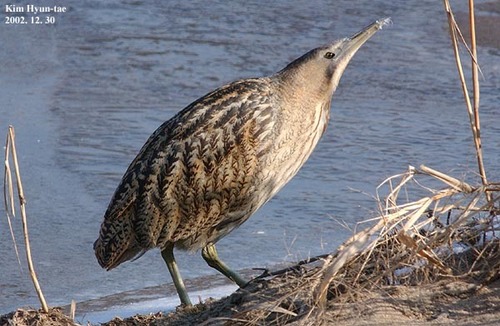 abetouro
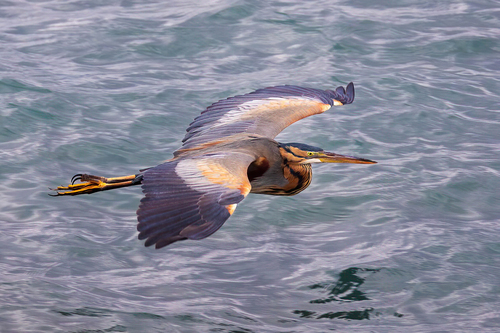 garça-roxa
Em resumo
A marca de campo mais confiável para separar o abetouro da garça-roxa é a estrutura geral e a plumagem: os abetouros são robustos, fortemente listrados e barrados, com um padrão criptográfico em buff e preto, enquanto as garças-roxas são mais esbeltas, mais elegantes e exibem uma plumagem mais escura, em tons avermelhados e cinzentos. Em voo, os abetouros mostram asas largas e arredondadas e um corpo compacto, enquanto as garças-roxas parecem mais alongadas e esbeltas, com um pescoço mais longo e pernas que se estendem bem atrás. Os abetouros juvenis são mais claros e menos distintamente marcados, mas ainda carecem dos tons avermelhados e cinzentos da garça-roxa. Ambas as espécies podem ser secretivas em leitos de juncos, mas sua forma e coloração são distintas quando vistas de perto.
Dicas de identificação
- Estrutura Geral: O abetouro é robusto, com um pescoço curto e corpo compacto; a garça-roxa é esbelta, com um pescoço longo e semelhante a uma cobra, e uma aparência mais alongada. Esta é muitas vezes a maneira mais rápida de separá-los, especialmente à distância ou em voo.
- Padrão da Plumagem: O abetouro é marrom claro com forte barrado e listrado em preto por toda parte, especialmente nas costas, asas e partes inferiores. A garça-roxa é mais escura, com tons avermelhados e cinzentos, e carece do forte barrado do abetouro.
- Marcas na Cabeça: O abetouro apresenta um supercílios amarelo-buff e uma faixa bigode marrom-escura; a garça-roxa tem uma testa/coroa preta e uma faixa escura na parte de trás do pescoço, terminando em uma crista esbelta.
- Padrão do Pescoço: O pescoço do abetouro é marrom enferrujado com listras fracas e uma garganta buff com listras marrom enferrujado; o pescoço da garça-roxa é buff castanho com listras escuras e linhas nas laterais, e uma frente mais clara com penas alongadas listradas na base.
- Bico e Pernas: O abetouro tem um bico e pernas amarelo-esverdeados, com solas amarelas; o bico da garça-roxa é amarelo-marrom (mais brilhante em adultos em reprodução), e as pernas são marrons na frente, amareladas atrás.
- Voo: O abetouro voa com asas largas e arredondadas e um corpo compacto, com o pescoço estendido na decolagem, mas rapidamente retraído; as pernas se estendem, mas não tão longe quanto as da garça-roxa. A garça-roxa voa com uma forma mais alongada, pescoço retraído, e pernas se estendendo bem além da cauda.
- Plumagem Juvenil: Os abetouros juvenis são mais claros e menos distintamente marcados do que os adultos, mas mantêm a aparência geral barrada/listrada; os juvenis da garça-roxa (não detalhados aqui) ainda mostram tons avermelhados e cinzentos, nunca o criptográfico buff e preto do abetouro.
- Comportamento Quando Perturbados: O abetouro frequentemente congela com o bico apontado para cima, misturando-se aos juncos ('abetourando'); a garça-roxa é mais propensa a se afastar furtivamente ou voar.
- Contexto do Habitat: Ambas preferem leitos de juncos, mas o abetouro está mais estritamente ligado a juncos densos e raramente é visto em áreas abertas. A garça-roxa pode ser vista caminhando sobre vegetação flutuante ou arbustos e é mais provável de ser vista em colônias mistas de garças.
- Sociabilidade: O abetouro é geralmente solitário; a garça-roxa pode nidificar em colônias, às vezes com outras garças.
- Comprimento das Pernas em Voo: As pernas da garça-roxa se estendem conspicuamente além da cauda; as pernas do abetouro se estendem, mas parecem menos exageradas devido ao seu corpo mais robusto.
- Peito e Barriga: As partes inferiores do abetouro são amarelo-buff com listras marrons; o peito da garça-roxa é castanho-avermelhado com um pouco de preto, e as coberturas da barriga/cauda são pretas.
- Crista: A garça-roxa tem uma crista esbelta e pendente (mais curta que a da garça-moura-europeia); o abetouro tem penas de coroa alongadas que podem ser eretas, mas carece de uma verdadeira crista.
- Olho e Pele Exposta: O olho do abetouro é amarelo, cercado por pele exposta verde-azulada; a íris da garça-roxa é amarela, sem menção de pele exposta colorida ao redor do olho.
- Voz: Se ouvido, o 'frarnk' da garça-roxa é áspero e agudo, mas não é diagnóstico para a separação do abetouro; o chamado retumbante do abetouro não é descrito aqui.
Tamanho
O abetouro é o mais pesado e robusto dos dois, com uma massa corporal média de cerca de 2461,5 g [wikidata], e um comprimento de 69–81 cm com uma envergadura de 100–130 cm [wikipedia]. A garça-roxa, embora mais longa (78–97 cm de comprimento, 120–152 cm de envergadura), é muito mais esbelta, pesando apenas 0,5–1,35 kg [wikipedia]. No campo, o abetouro parece robusto e com pescoço grosso, enquanto a garça-roxa é visivelmente mais graciosa e 'com pescoço de cobra.'
Plumagem
-
Juvenis: Os abetouros juvenis são mais claros que os adultos, com marcas menos distintas, mas ainda mostram o padrão geral barrado/listrado em buff e preto. Os juvenis da garça-roxa não são descritos em detalhes aqui, mas mesmo os pássaros jovens mantêm os tons avermelhados e cinzentos ausentes no abetouro.
-
Adultos: Os abetouros têm uma plumagem criptográfica: coroa e nuca pretas, lados da cabeça/pescoço em buff com barrado preto irregular, e um manto, escapulares e costas fortemente barrados e listrados em preto. As partes inferiores são amarelo-buff com listras marrons. As asas são de um marrom enferrujado pálido, irregularmente barradas e manchadas de preto. As garças-roxas são mais escuras em geral, com uma testa/coroa preta, faixa escura na parte de trás do pescoço, e um pescoço buff castanho com listras escuras. O manto é marrom oleoso, as partes superiores/cauda são cinzentas marrons, e o peito é castanho-avermelhado com um pouco de preto. As partes inferiores são mais escuras, especialmente a barriga e a cauda. O bico e as pernas também são diferentes em tom: os do abetouro são amarelo-esverdeados, os da garça-roxa são amarelo-marrom (bico) e marrons/amarelados (pernas).
Comportamento
O abetouro é extremamente secreto, geralmente solitário, e prefere se esconder em densos leitos de juncos, frequentemente congelando com o bico apontado para cima ('abetourando') para se misturar. Ele anda lentamente e deliberadamente, raramente voando, exceto quando necessário, e então com asas largas e arredondadas e pescoço retraído após a decolagem. A garça-roxa também é secreta e prefere leitos de juncos, mas é mais provável de ser vista caminhando sobre vegetação flutuante ou até mesmo sobre arbustos, usando seus longos dedos. Seu voo é lento, com o pescoço retraído e pernas se estendendo muito atrás, e ela parece mais alongada e menos robusta que o abetouro. A garça-roxa raramente pousa em árvores, preferindo locais terrestres ou em leitos de juncos.
Habitat
Ambas as espécies favorecem leitos de juncos e áreas úmidas, mas o abetouro está mais estritamente ligado a juncos densos e altos e raramente é visto em áreas abertas, exceto em condições climáticas severas. A garça-roxa também nidifica em leitos de juncos e áreas úmidas, mas pode usar canaviais ou arbustos baixos perto de grandes lagos ou extensas áreas úmidas. Em colônias mistas de garças, a garça-roxa pode nidificar com outras garças, enquanto os abetouros geralmente são nidificadores solitários.
Voz
As vocalizações não são diagnósticas para separação no campo com base nessas notas. O chamado da garça-roxa é um 'frarnk' áspero, mais silencioso e mais agudo em comparação com a garça-moura-europeia, mas o chamado retumbante do abetouro não é descrito aqui. Ambos são geralmente silenciosos e secretos.