

Tarabuso vs Airone rosso
Botaurus stellaris contro Ardea purpurea
Fai un quiz con Tarabuso e Airone rosso
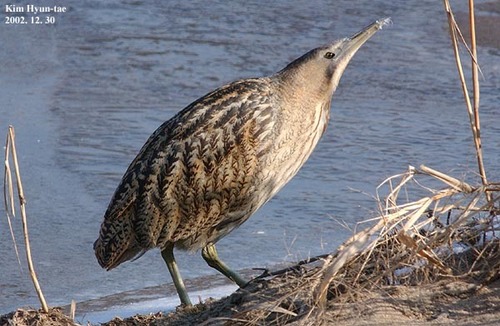 Tarabuso
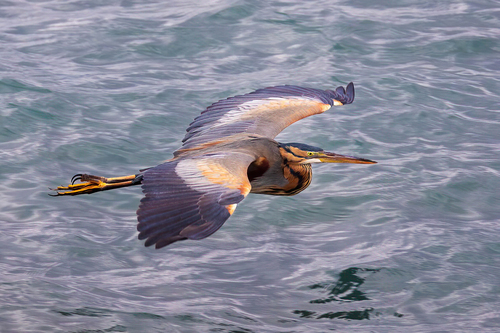 Airone rosso
In breve
Il segno distintivo più affidabile per separare il Tarabuso dall'Airone rosso è la struttura generale e il piumaggio: i Tarabusi sono robusti, pesantemente striati e barrati, con un motivo criptico color buff e nero, mentre gli Aironi rossi sono più snelli, più eleganti e mostrano un piumaggio di colore marrone rossiccio e grigio più scuro. In volo, i Tarabusi mostrano ali larghe e arrotondate e un corpo compatto, mentre gli Aironi rossi appaiono più allungati e snelli, con un collo più lungo e gambe che si estendono ben oltre. I Tarabusi giovani sono più chiari e meno distintamente marcati ma mancano ancora delle sfumature rossicce e grigie dell'Airone rosso. Entrambe le specie possono essere riservate nei letti di canne, ma la loro forma e colorazione sono distintive quando viste bene.
Consigli di identificazione
- Struttura Generale: Il Tarabuso è robusto, con un collo corto e un corpo compatto; l'Airone rosso è snello, con un collo lungo e serpentino e un aspetto più allungato. Questo è spesso il modo più veloce per separarli, specialmente a distanza o in volo.
- Motivo del Piumaggio: Il Tarabuso è di colore marrone buff con forti barre nere e striature su tutto il corpo, specialmente sulla schiena, sulle ali e sulle parti inferiori. L'Airone rosso è più scuro, con toni marrone rossiccio e grigi, e manca delle forti barre del Tarabuso.
- Marcature della Testa: Il Tarabuso mostra un sopracciglio giallo-buff e una striscia moustachiale marrone-nera; l'Airone rosso ha una fronte/corona nera e una striscia scura lungo la parte posteriore del collo, che termina in una cresta sottile.
- Motivo del Collo: Il collo del Tarabuso è marrone ruggine con barre deboli e una gola buff con strisce marrone ruggine; il collo dell'Airone rosso è di colore marrone castagna con striature scure e linee lungo i lati, e una parte anteriore più chiara con piume allungate striate alla base.
- Becco e Gambe: Il Tarabuso ha un becco e gambe giallo-verdastri, con suole gialle; il becco dell'Airone rosso è marrone-giallastro (più brillante negli adulti in riproduzione), e le gambe sono marroni davanti, giallastre dietro.
- Volo: Il Tarabuso vola con ali larghe e arrotondate e un corpo compatto, con il collo esteso al decollo ma rapidamente ritratto; le gambe si estendono, ma non così lontano come nell'Airone rosso. L'Airone rosso vola con una forma più allungata, collo ritratto e gambe che si estendono ben oltre la coda.
- Piumaggio Giovanile: I Tarabusi giovani sono più chiari e meno distintamente marcati degli adulti ma mantengono l'aspetto complessivo barrato/striatato; i giovani Aironi rossi (non dettagliati qui) mostrano ancora toni rossicci e grigi, mai il criptico buff e nero del Tarabuso.
- Comportamento Quando Disturbati: Il Tarabuso spesso si ferma con il becco puntato verso l'alto, mimetizzandosi tra le canne ('bitterning'); l'Airone rosso è più propenso a scivolare via o volare via.
- Contesto dell'Habitat: Entrambi preferiscono i letti di canne, ma il Tarabuso è più strettamente legato a canne dense ed è raramente visto in aperto. L'Airone rosso può essere visto camminare su vegetazione galleggiante o cespugli ed è più probabile che venga visto in colonie miste di aironi.
- Socialità: Il Tarabuso è solitamente solitario; l'Airone rosso può nidificare in colonie, a volte con altri aironi.
- Lunghezza delle Gambe in Volo: Le gambe dell'Airone rosso si estendono notevolmente oltre la coda; le gambe del Tarabuso si estendono ma appaiono meno esagerate a causa del suo corpo più massiccio.
- Petto e Ventre: Le parti inferiori del Tarabuso sono giallo-buff con strisce marroni; il petto dell'Airone rosso è marrone castagna con alcune macchie nere, e le copritrici del ventre e della coda sono nere.
- Cresta: L'Airone rosso ha una cresta sottile e pendente (più corta di quella dell'Airone cenerino); il Tarabuso ha piume della corona allungate che possono essere erette ma manca di una vera cresta.
- Occhio e Pelle Nuda: L'occhio del Tarabuso è giallo, circondato da pelle nuda verdastra o bluastra; l'iride dell'Airone rosso è gialla, senza menzione di pelle nuda colorata attorno all'occhio.
- Voce: Se udito, il 'frarnk' dell'Airone rosso è aspro e acuto ma non diagnostico per la separazione del Tarabuso; il richiamo rimbombante del Tarabuso non è descritto qui.
Taglia
Il Tarabuso è il più pesante e massiccio dei due, con una massa corporea media di circa 2461,5 g [wikidata], e una lunghezza di 69–81 cm con un'apertura alare di 100–130 cm [wikipedia]. L'Airone rosso, sebbene più lungo (78–97 cm di lunghezza, 120–152 cm di apertura alare), è molto più snello, pesando solo 0,5–1,35 kg [wikipedia]. Sul campo, il Tarabuso appare robusto e con collo spesso, mentre l'Airone rosso è visibilmente più gracile e 'con collo a serpente.'
Piumaggio
-
Giovani: I Tarabusi giovani sono più chiari degli adulti, con marcature meno distinte, ma mostrano ancora il motivo complessivo barrato/striatato di buff e nero. Gli Aironi rossi giovani non sono descritti in dettaglio qui, ma anche i giovani uccelli mantengono i toni marrone rossiccio e grigio assenti nel Tarabuso.
-
Adulti: I Tarabusi hanno un piumaggio criptico: corona e nuca nere, lati della testa/collo color buff con barre nere irregolari, e un mantello, scapolari e schiena pesantemente barrati e striati di nero. Le parti inferiori sono giallo-buff con strisce marroni. Le ali sono di un pallido marrone ruggine, irregolarmente barrate e macchiate di nero. Gli Aironi rossi sono più scuri nel complesso, con una fronte/corona nera, una striscia scura lungo la parte posteriore del collo, e un collo di colore marrone castagna con striature scure. Il mantello è marrone oleoso, le parti superiori/coda sono grigio-marroni, e il petto è marrone castagna con alcune macchie nere. Le parti inferiori sono più scure, specialmente il ventre e la coda. Il becco e le gambe sono anche diversi nel tono: quelli del Tarabuso sono giallo-verdastri, quelli dell'Airone rosso sono marrone-giallastri (becco) e marroni/giallastri (gambe).
Comportamento
Il Tarabuso è estremamente riservato, di solito solitario, e preferisce nascondersi in letti di canne densi, spesso congelando con il becco puntato verso l'alto ('bitterning') per mimetizzarsi. Cammina lentamente e deliberatamente, raramente volando se non necessario, e poi con ali larghe e arrotondate e collo ritratto dopo il decollo. L'Airone rosso è anch'esso riservato e preferisce i letti di canne, ma è più probabile che venga visto camminare su vegetazione galleggiante o anche sopra cespugli, usando le sue lunghe dita. Il suo volo è lento, con il collo ritratto e le gambe che si estendono molto indietro, e appare più allungato e meno robusto del Tarabuso. L'Airone rosso raramente si posa sugli alberi, preferendo siti terrestri o letti di canne.
Habitat
Entrambe le specie favoriscono i letti di canne e le zone umide, ma il Tarabuso è più strettamente legato a canne dense e alte ed è raramente visto in aperto se non in condizioni meteorologiche severe. L'Airone rosso nidifica anch'esso nei letti di canne e nelle zone umide, ma può utilizzare canneti o cespugli bassi vicino a grandi laghi o zone umide estese. Nelle colonie miste di aironi, l'Airone rosso può nidificare con altri aironi, mentre i Tarabusi sono solitamente nidi solitari.
Voce
Le vocalizzazioni non sono diagnostiche per la separazione sul campo basandosi su queste note. Il richiamo dell'Airone rosso è un 'frarnk' aspro, più silenzioso e più acuto rispetto all'Airone cenerino, ma il richiamo rimbombante del Tarabuso non è descritto qui. Entrambi sono generalmente silenziosi e riservati.