

toutinegra-de-bigodes-oriental vs felosa-do-mato
Curruca cantillans versus Curruca undata
Jogue um quiz com toutinegra-de-bigodes-oriental e felosa-do-mato
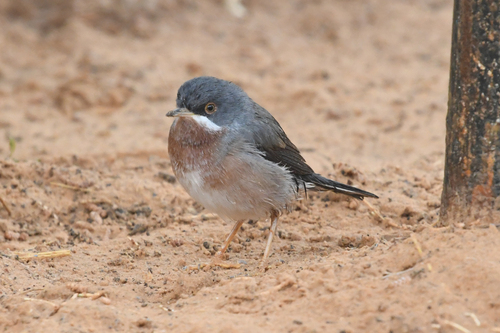 toutinegra-de-bigodes-oriental
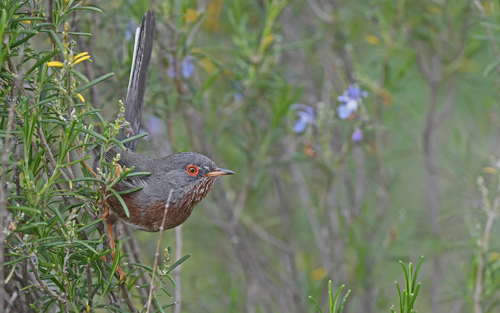 felosa-do-mato
Em resumo
A marca de campo mais confiável para separar a toutinegra-de-bigodes-oriental da felosa-do-mato é a garganta e o peito vermelho-tijolo, bem demarcados (com uma barriga branca) e uma proeminente faixa submoustachial branca no macho adulto da toutinegra-de-bigodes-oriental, em contraste com as partes inferiores mais uniformemente opacas e a garganta manchada de branco da felosa-do-mato. A felosa-do-mato também se destaca por sua cauda longínqua e fina e coloração geral mais suave e misturada. Fêmeas e imaturos de ambas podem ser complicados, mas a cauda mais longa da felosa-do-mato, o olho vermelho e as partes inferiores menos contrastantes são úteis. Ambas são pequenas felosas do sul da Europa, mas sua estrutura, padrão facial e contraste das partes inferiores são fundamentais em campo.
Dicas de identificação
- Comprimento e Forma da Cauda: A felosa-do-mato tem uma cauda muito mais longa e fina do que a toutinegra-de-bigodes-oriental. Esta é a única diferença estrutural mais consistente em todas as idades e sexos; a felosa-do-mato frequentemente levanta ou abre sua cauda, enquanto a cauda da toutinegra-de-bigodes-oriental é mais curta e menos expressiva.
- Partes Inferiores do Macho Adulto: A toutinegra-de-bigodes-oriental apresenta vermelho-tijolo restrito à garganta e ao peito, bem demarcado de uma barriga branca e flancos mais claros. As partes inferiores avermelhadas da felosa-do-mato são mais opacas, menos bem demarcadas e se estendem mais para baixo do corpo, com uma mancha branca suja na barriga.
- Padrão Facial (Macho Adulto): Os machos da toutinegra-de-bigodes-oriental têm uma máscara negra nas lore e coberturas auriculares e uma ampla faixa submoustachial branca (bigode). A felosa-do-mato não possui uma máscara forte e não tem uma faixa branca ousada, mas apresenta um olho vermelho e um rosto menos definido.
- Marcas na Garganta: A felosa-do-mato (ambos os sexos) apresenta manchas ou pintas brancas na garganta avermelhada; a toutinegra-de-bigodes-oriental não possui essas, com uma garganta limpa e sem manchas de vermelho-tijolo nos machos.
- Cor dos Olhos: A felosa-do-mato tem um olho vermelho distinto e um anel ocular vermelho, visíveis de perto. O olho da toutinegra-de-bigodes-oriental é menos marcante e não apresenta um anel vermelho.
- Cor das Partes Superiores: Os machos da toutinegra-de-bigodes-oriental são de um azul-cinza mais profundo acima, enquanto a felosa-do-mato é cinza-marrom ou às vezes azulada-cinza, mas sempre mais opaca e mais misturada com o restante da plumagem.
- Aarmadilhas para Fêmeas e Imaturos: As fêmeas de ambas as espécies são mais marrons acima e mais claras abaixo, mas a felosa-do-mato é geralmente mais opaca e menos contrastante, com um rosto menos marcado e cauda mais longa. As fêmeas da toutinegra-de-bigodes-oriental podem apresentar um tom rosa abaixo e um padrão facial mais contrastante.
- Jizz e Postura: A cauda mais longa da felosa-do-mato lhe confere uma aparência mais alongada, às vezes desproporcional, especialmente quando empoleirada ou se movendo através da vegetação baixa. A toutinegra-de-bigodes-oriental é mais compacta e ativa, com uma cauda mais curta e menos comportamento furtivo.
- Contexto do Habitat: Se vista em um campo de urze clássico ou gorse, especialmente no oeste da Europa, a felosa-do-mato é mais provável. A toutinegra-de-bigodes-oriental prefere encostas arbustivas e arbustivas no sul da Europa, muitas vezes longe de urzes puras.
- Comportamento de Voo: A felosa-do-mato tende a voar baixo e rapidamente entre os arbustos, frequentemente se escondendo. A toutinegra-de-bigodes-oriental é mais propensa a voar abertamente entre os arbustos.
- Contraste das Partes Inferiores: As partes inferiores da toutinegra-de-bigodes-oriental apresentam um limite nítido entre o peito vermelho-tijolo e a barriga branca, enquanto as partes inferiores da felosa-do-mato fazem a transição de forma mais gradual e são menos limpidamente separadas.
- Forma do Bico: Ambas têm bicos finos e pontudos, então isso não é um separador útil.
- Vocalização: O canto da toutinegra-de-bigodes-oriental é descrito como rápido e ruidoso (como o papa-amoras-cinzento), mas o canto da felosa-do-mato não é detalhado aqui; use a voz apenas com cautela.
- Movimento Sazonal: A felosa-do-mato é residente em grande parte de sua área de distribuição e pode ser vista durante todo o ano, enquanto a toutinegra-de-bigodes-oriental é migratória e mais provável de ser encontrada no sul da Europa durante a época de reprodução.
- Plumagem Juvenil: Nenhuma diferença distinta no padrão da asa superior ou no padrão de voo é descrita para juvenis, então confie na estrutura e no padrão facial para imaturos.
Tamanho
Ambas as espécies são pequenas felosas, mas a felosa-do-mato é ligeiramente maior e com cauda visivelmente mais longa. A felosa-do-mato mede cerca de 13 cm de comprimento, com uma cauda longa e fina que é proporcionalmente mais longa do que a da toutinegra-de-bigodes-oriental. A toutinegra-de-bigodes-oriental é compacta e de cauda curta em comparação, conferindo uma forma e jizz diferentes, especialmente quando empoleirada ou em voo. A forma do bico é semelhante (fina, pontuda), então o comprimento da cauda e as proporções do corpo são mais úteis para tamanho e estrutura.
Plumagem
Nenhum padrão distinto de asa superior juvenil ou imaturo é descrito para qualquer uma das espécies, então o foco está na plumagem adulta e de fêmeas/imaturos.
- Macho Adulto da Toutinegra-de-Bigodes-Oriental: Partes superiores azul-cinza profundo, máscara negra nas lore e coberturas auriculares, garganta e peito vermelho-tijolo bem demarcados de uma barriga branca, flancos mais claros e uma ampla faixa submoustachial branca. O avermelhado é restrito à garganta e ao peito, não se estendendo para a barriga ou flancos.
- Macho Adulto da Felosa-do-Mato: Partes superiores cinza-marrom (às vezes azuladas ou marrons-cinzas), partes inferiores avermelhadas opacas que são menos bem demarcadas e mais extensas, mancha branca suja na barriga e uma garganta avermelhada com manchas brancas. O rosto não possui uma forte faixa submoustachial branca, mas apresenta um olho vermelho e uma máscara menos definida.
- Fêmeas e Juvenis: Ambas são mais marrons acima e mais claras abaixo, mas as fêmeas da felosa-do-mato são mais opacas, com um dorso cinza mais marrom e partes inferiores mais claras e menos marcadas. Ambos os sexos da felosa-do-mato apresentam manchas brancas na garganta, mas estas são menores e menos distintas nas fêmeas. As fêmeas da toutinegra-de-bigodes-oriental são mais cinzentas na cabeça e podem apresentar um tom rosa abaixo, com um padrão facial mais contrastante do que a felosa-do-mato.
- Cauda: A cauda da felosa-do-mato é muito mais longa e fina, frequentemente mantida levantada, e é uma marca estrutural chave em todas as plumagens.
Comportamento
A felosa-do-mato é mais propensa a ser vista voando baixo sobre a urze ou empoleirada com sua cauda longa levantada, frequentemente piscando ou abrindo-a. Ela tende a se esconder em vegetação densa e baixa, mas pode cantar de poleiros expostos. A toutinegra-de-bigodes-oriental também é uma habitante de arbustos, mas é geralmente mais ativa e menos furtiva, frequentemente vista voando entre arbustos baixos e mostrando um jizz mais compacto e energético. Ambas são insetívoras, mas o comportamento da felosa-do-mato é mais secreto e focado na cauda.
Habitat
A toutinegra-de-bigodes-oriental se reproduz nas partes mais ao sul da Europa, favorecendo áreas secas e abertas com arbustos ou arbustos baixos para nidificação, frequentemente em encostas. A felosa-do-mato é encontrada nas partes mais quentes da Europa ocidental e do noroeste da África, com uma forte preferência por campos de urze, gorse e mato seco, especialmente no oeste e sul da Europa. Embora ambas se sobreponham em habitats do tipo mediterrâneo, a felosa-do-mato está mais estritamente associada a urzes e gorse, e é residente em grande parte de sua área de distribuição, enquanto a toutinegra-de-bigodes-oriental é mais migratória e prefere habitats mais arbustivos e menos abertos.
Voz
O canto da toutinegra-de-bigodes-oriental é rápido e ruidoso, semelhante ao papa-amoras-cinzento, mas detalhes específicos não são fornecidos para comparação direta. As vocalizações da felosa-do-mato não são descritas nas notas, então a voz não é diagnosticamente confiável com base nas informações disponíveis.
toutinegra-de-bigodes-oriental · felosa-do-mato · Minhas aves difíceis