

Sterpazzolina orientale vs Magnanina comune
Curruca cantillans contro Curruca undata
Fai un quiz con Sterpazzolina orientale e Magnanina comune
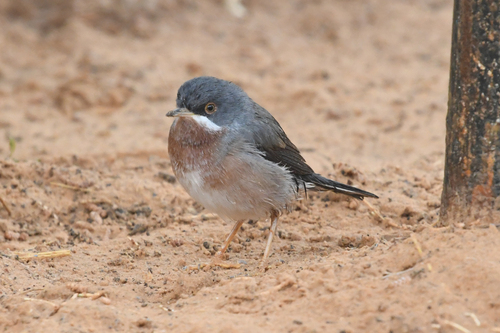 Sterpazzolina orientale
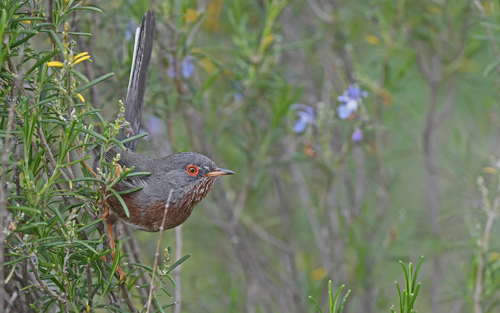 Magnanina comune
In breve
Il segno di campo più affidabile per separare la Sterpazzolina orientale dalla Magnanina comune è la gola e il petto di un rosso mattone nettamente delimitato (con un ventre bianco) e una prominente striscia submoustachiale bianca negli esemplari maschi adulti di Sterpazzolina orientale, rispetto alle parti inferiori di un rosso uniformemente opaco e alla gola maculata di Magnanina. La Magnanina comune si distingue anche per la sua coda distintamente lunga e sottile e una colorazione complessivamente più attenuata e mescolata. Le femmine e gli immaturi di entrambi possono essere difficili da distinguere, ma la coda più lunga di Magnanina, l'occhio rosso e le parti inferiori meno contrastanti sono utili. Entrambi sono piccoli, warbler dell'Europa meridionale, ma la loro struttura, il pattern del viso e il contrasto delle parti inferiori sono chiave sul campo.
Consigli di identificazione
- Tail Length and Shape: La Magnanina comune ha una coda molto più lunga e sottile rispetto alla Sterpazzolina orientale. Questa è la singola differenza strutturale più consistente in tutte le età e sessi; la Magnanina spesso solleva o apre la sua coda, mentre la coda della Sterpazzolina è più corta e meno espressiva.
- Adult Male Underparts: La Sterpazzolina orientale mostra un rosso mattone limitato alla gola e al petto, nettamente separato da un ventre bianco e fianchi più chiari. Le parti inferiori rossastre della Magnanina sono più opache, meno nettamente delimitate e si estendono più in basso nel corpo, con una macchia di ventre bianca sporca.
- Face Pattern (Adult Male): I maschi di Sterpazzolina hanno una maschera nerognola sulle lore e sulle copritrici auricolari e una larga striscia submoustachiale bianca (baffo). La Magnanina manca di una maschera forte e non ha una striscia bianca audace, ma mostra un occhio rosso e un viso meno definito.
- Throat Markings: La Magnanina comune (entrambi i sessi) mostra macchie o puntini bianchi sulla gola rossastra; la Sterpazzolina manca di queste, con una gola pulita e non macchiata di rosso mattone nei maschi.
- Eye Color: La Magnanina comune ha un occhio rosso distintivo e un anello rosso attorno all'occhio, visibile da vicino. L'occhio della Sterpazzolina è meno appariscente e non mostra un anello rosso.
- Upperparts Color: I maschi di Sterpazzolina sono di un blu-grigio più profondo sopra, mentre la Magnanina è grigio-marrone o talvolta bluastro-grigia, ma sempre più opaca e mescolata con il resto del piumaggio.
- Female and Immature Pitfalls: Le femmine di entrambe le specie sono più marroni sopra e più chiare sotto, ma la Magnanina è complessivamente più opaca e meno contrastante, con un viso meno marcato e una coda più lunga. Le femmine di Sterpazzolina possono mostrare un rossore rosa sotto e un pattern del viso più contrastante.
- Jizz and Posture: La coda più lunga della Magnanina le conferisce un aspetto più allungato, a volte pesante, specialmente quando è appollaiata o si muove attraverso la vegetazione bassa. La Sterpazzolina è più compatta e attiva, con una coda più corta e un comportamento meno furtivo.
- Habitat Context: Se vista in classici terreni di brughiera o ginestra, specialmente nell'Europa occidentale, è più probabile che si tratti di Magnanina. La Sterpazzolina preferisce pendii cespugliosi e arbustivi nell'Europa meridionale, spesso lontano dalla brughiera pura.
- Flight Behavior: La Magnanina tende a volare bassa e rapidamente tra i cespugli, spesso scendendo in copertura. La Sterpazzolina è più propensa a svolazzare apertamente tra i cespugli.
- Underpart Contrast: Le parti inferiori della Sterpazzolina mostrano un confine netto tra il petto rosso mattone e il ventre bianco, mentre le parti inferiori della Magnanina transitano più gradualmente e sono meno nettamente separate.
- Bill Shape: Entrambi hanno becchi sottili e appuntiti, quindi questo non è un separatore utile.
- Vocalization: Il canto della Sterpazzolina è descritto come veloce e tremolante (come la Bigiarella), ma il canto della Magnanina non è dettagliato qui; usare la voce solo con cautela.
- Seasonal Movement: La Magnanina è residente in gran parte del suo areale e può essere vista tutto l'anno, mentre la Sterpazzolina è migratoria e più probabile in Europa meridionale durante la stagione di nidificazione.
- Juvenile Plumage: Non sono descritte differenze distintive nel pattern delle ali superiori o nel volo per i giovanili, quindi fare affidamento sulla struttura e sul pattern del viso per gli immaturi.
Taglia
Entrambe le specie sono piccoli warbler, ma la Magnanina comune è leggermente più grande e ha una coda visibilmente più lunga. La Magnanina misura in media circa 13 cm di lunghezza, con una coda lunga e sottile che è proporzionalmente più lunga rispetto a quella della Sterpazzolina. La Sterpazzolina è compatta e con una coda corta in confronto, dando una forma e un aspetto complessivi diversi, specialmente quando è appollaiata o in volo. La forma del becco è simile (sottile, appuntito), quindi la lunghezza della coda e le proporzioni del corpo sono più utili per la dimensione e la struttura.
Piumaggio
Non sono descritti pattern distintivi per le ali superiori giovanili o immature per nessuna delle due specie, quindi ci si concentra sul piumaggio adulto e femminile/immaturo.
- Adult Male Sterpazzolina orientale: Parti superiori di un blu-grigio profondo, maschera nerognola sulle lore e sulle copritrici auricolari, gola e petto rosso mattone nettamente separati da un ventre bianco, fianchi più chiari e una larga striscia submoustachiale bianca. Il rosso è limitato alla gola e al petto, senza estendersi sul ventre o sui fianchi.
- Adult Male Magnanina comune: Parti superiori grigio-marroni (a volte bluastre o marroni-grigie), parti inferiori marrone-rossastre opache che sono meno nettamente delimitate e più estese, macchia bianca sporca sul ventre e una gola rossastra con macchie bianche. Il viso manca di una forte striscia submoustachiale bianca ma mostra un occhio rosso e una maschera meno definita.
- Females and Juveniles: Entrambi sono più marroni sopra e più chiari sotto, ma le femmine di Magnanina sono più opache, con un dorso grigio-marrone e parti inferiori più chiare e meno marcate. Entrambi i sessi di Magnanina mostrano macchie bianche sulla gola, ma queste sono più piccole e meno distinte nelle femmine. Le femmine di Sterpazzolina sono più grigie sulla testa e possono mostrare un rossore rosa sotto, con un pattern del viso più contrastante rispetto a Magnanina.
- Tail: La coda della Magnanina è molto più lunga e sottile, spesso tenuta sollevata, ed è un segno strutturale chiave in tutti i piumaggi.
Comportamento
La Magnanina comune è più probabile da vedere che scivola bassa sopra la brughiera o si appollaia con la sua lunga coda sollevata, spesso flickando o aprendo la coda. Tende a nascondersi nella vegetazione densa e bassa ma può cantare da posatoi esposti. La Sterpazzolina è anche un abitante dei cespugli ma è generalmente più attiva e meno furtiva, spesso vista svolazzare attraverso i cespugli bassi e mostrando un aspetto più compatto ed energico. Entrambi sono insetivori, ma il comportamento della Magnanina è più segreto e focalizzato sulla coda.
Habitat
La Sterpazzolina orientale nidifica nelle parti più meridionali dell'Europa, favorendo terreni asciutti e aperti con cespugli o arbusti bassi per il nido, spesso su pendii. La Magnanina comune si trova nelle parti più calde dell'Europa occidentale e del nord-ovest dell'Africa, con una forte preferenza per la brughiera, la ginestra e la macchia secca, specialmente nell'Europa occidentale e meridionale. Anche se entrambe si sovrappongono in habitat di tipo mediterraneo, la Magnanina è più strettamente associata alla brughiera e alla ginestra, ed è residente in gran parte del suo areale, mentre la Sterpazzolina è più migratoria e favorisce habitat più cespugliosi e meno aperti.
Voce
Il canto della Sterpazzolina orientale è veloce e tremolante, simile alla Bigiarella, ma non sono forniti dettagli specifici per un confronto diretto. Le vocalizzazioni della Magnanina non sono descritte nelle note, quindi la voce non è affidabilmente diagnostica in base alle informazioni disponibili.
Sterpazzolina orientale · Magnanina comune · I miei uccelli difficili